ABU DABBAB – 17 FAQ AND 12 AMAZING PHOTOS
On mobile: use fingers to zoom any image
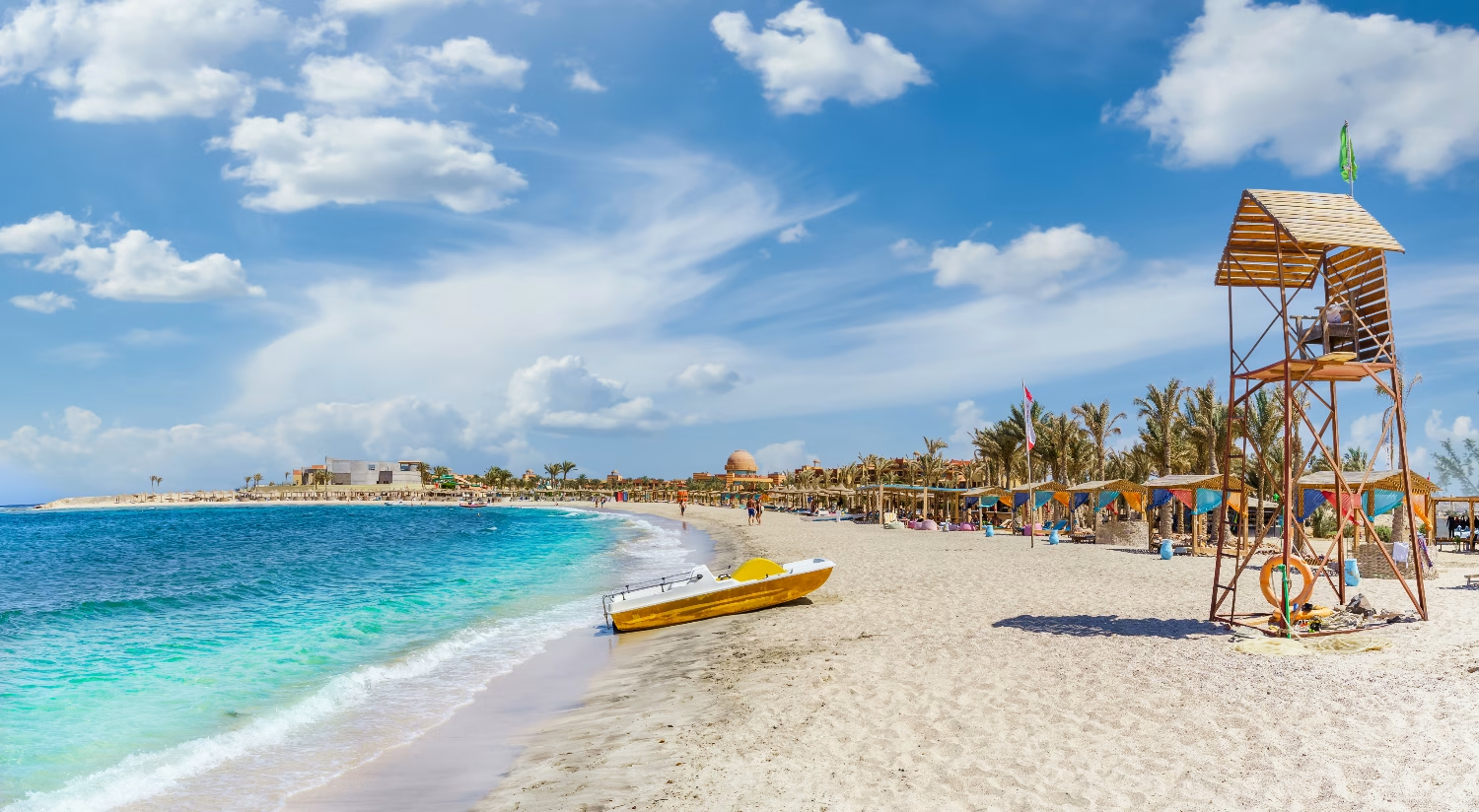
Photo credit: Balate.Dorin/Shutterstock.com
Please check the page to verify all specifics
What’s special about Abu Dabbab?
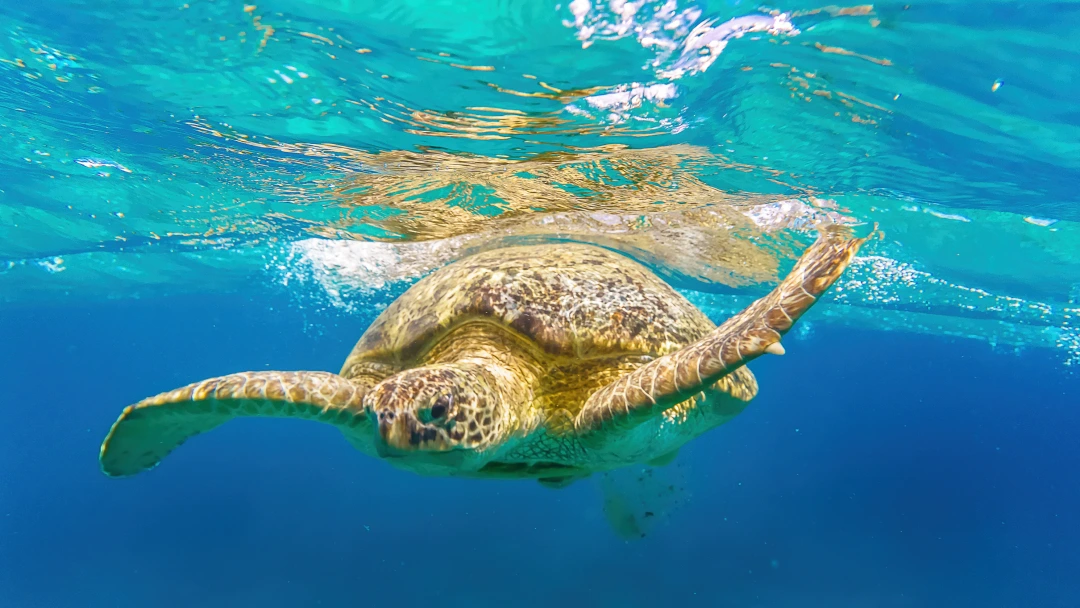
Besides its soft sand beach and close proximity to many Marsa Alam hotels, Abu Dabbab Bay boasts stunning coral reefs along its northern and southern edges which help to shelter it from strong waves. The southern side in particular hosts a remarkable diversity of colourful coral and marine life, but perhaps the most exciting prospect is the possibility of swimming with the graceful green turtle, the handsome hawksbill turtle or the ever smiling dugong, sometimes known as the “sea cow,” as it feeds on the rich seagrass bed. It’s an opportunity not to be missed as all three animals now face a high risk of extinction in the wild.
Special Offer – Abu Dabbab Trip
Ready for an unforgettable day at Abu Dabbab, the famous “home of the turtles”? Let Steven’s Taxis handle everything with this all-inclusive package—just €30 per person (minimum of three).
- Seamless Travel: Air-conditioned return transfers from all hotels between Marsa Alam town centre and Three Corners Sea Beach Resort (just north of Marsa Alam Airport)
- Unbeatable Value: The €30 price includes your transport and the €20 beach entrance fee—saving you money and hassle.
- Stay Refreshed: Enjoy unlimited soft drinks throughout the morning.
- Comfort and Shade: Relax on a free sun lounger, with the option of a sun umbrella for shade
- Snorkeling Made Easy: With a professional guide who can show you the best spots to see turtles, dugongs and coral reefs teeming with marine life.
- A Morning of Bliss: Your adventure starts at 8 am and concludes at 2 pm.
- Prefer different times? Contact Steven to discuss options.
- Prefer to go your own way? Transfers only (without entrance or extras) are also available from the same hotel zones for just €17 each way.
Book now! Steven at steven@marsaalam.com or contact him via WhatsApp on +20 102 999 9978 or via phone on +20 128 433 2337 to reserve your spot.
Where is Abu Dabbab?
Abu Dabbab beach is located on a branch road off the main coastal road, between the Malikia and the Hilton Marsa Alam Nubian resorts, 34km north of the town of Marsa Alam and about 35km south of the airport and for those who like GPS coordinates you will find it at latitude 25’20’N and 34’45’ East.
How much does it cost to enter?
As you enter via the south east corner of the beach you will need to pay (as of 2025) a twenty euro per person entrance fee which is levied in order to prevent too many tourists overcrowding the bay. This fee also allows you free use of a comfortable sunbed and beach umbrella.
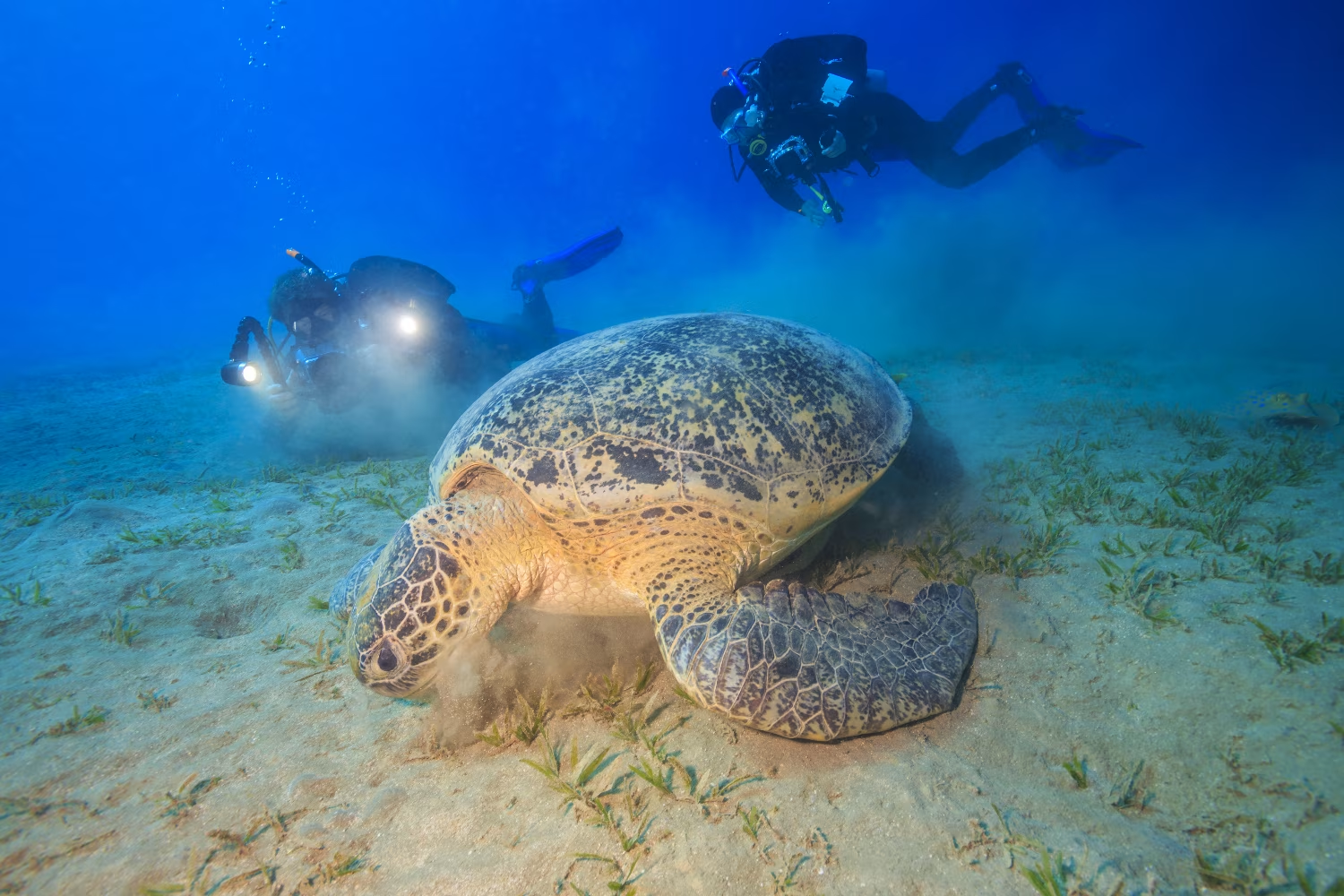
Photo credit: Stas Moroz/Shutterstock.com
Why is Abu Dabbab sometimes known as Turtles Beach?
Because every year, between late April and early September, sea turtles come to the beach to lay their eggs, with a peak nesting season for the green turtle in July and for the hawksbill also during the summer but often in June or August. Hawksbill turtles tend to lay their eggs obscured within vegetation while green turtles prefer more open spaces.
Is turtle nesting impacted by tourism?
Yes, although scientists and environmentalists are looking for ways to minimize this impact in the Abu Dabbab area. Turtles can feel stressed and threatened by artificial light from nearby hotels which can deter female turtles from coming ashore to lay eggs, and when they do it can disorientate them as well as the newly born hatchlings, causing them not to be able to find their way back to the sea. Even a single bright light can result in hatchlings heading inland, seemingly confusing the artificial light for starlight or moonlight over the Red Sea.
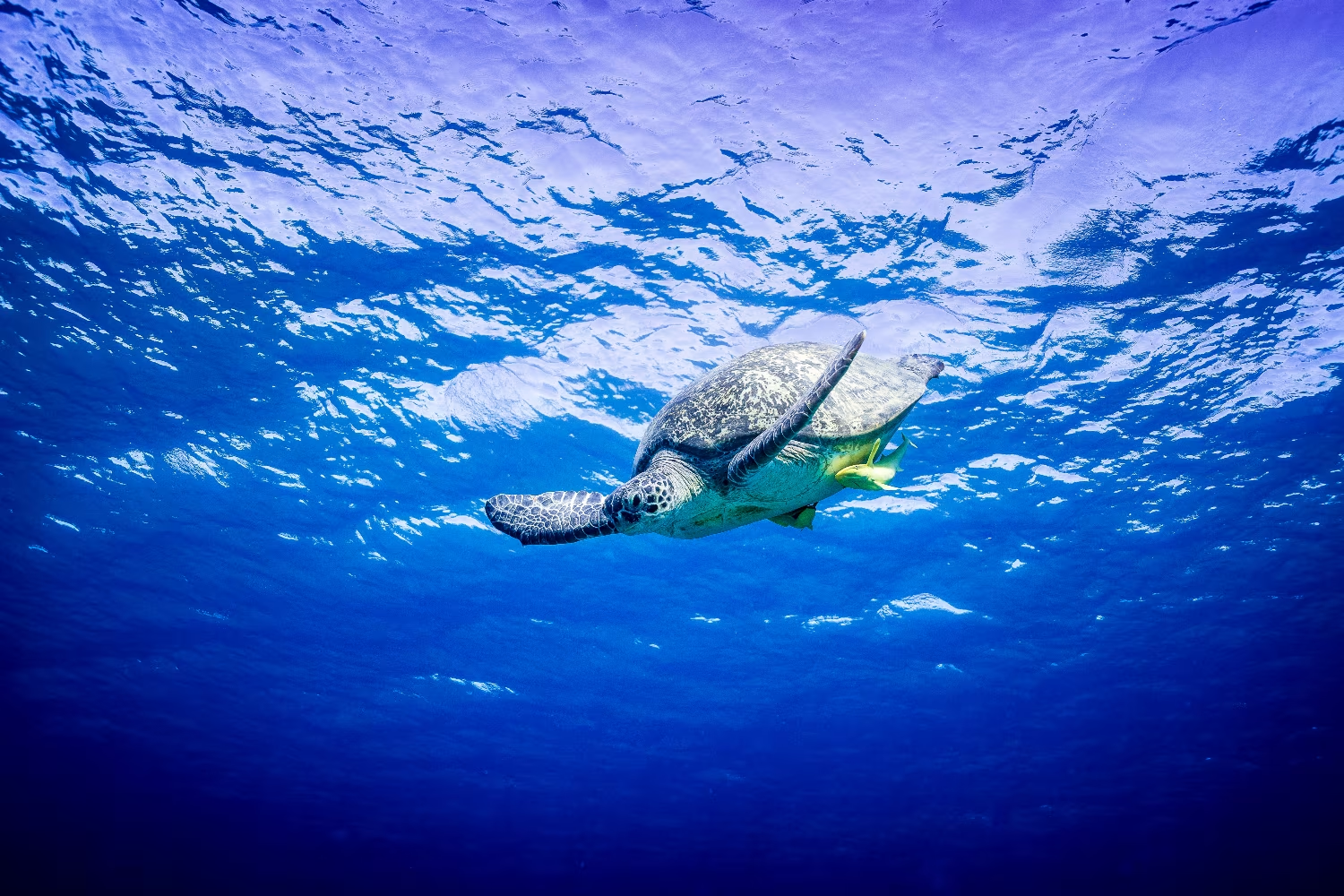
Photo credit: feel4nature/Shutterstock.com
Where in the bay is the best place to encounter turtles?
You can wade in and swim from the beach on the western innermost part of the bay towards the seagrass meadows which lie mainly in the centre and you have an excellent chance to see turtles feeding on the seagrass at a depth of 2 to 4 metres. You are far more likely to encounter green turtles than hawksbill turtles, although the latter also feed in the bay occasionally.
What role do the seagrass meadows at Abu Dabbab play?
They are one of the most crucial ecosystems of the Red Sea and the planet. Green sea turtles graze on the nutrient rich seagrass itself, keeping it healthy by trimming it and helping it regrow, just like mowing a lawn and the dugong relies on it for its primary diet. At the same time it also provides a nursery offering a safe space for young fish to grow.
Fish like snapper and barracuda lay their eggs in the dense grass which provides shelter from predators while baby fish can hide within the seagrass, avoiding larger fish that might eat them. It is also the home to a variety of smaller creatures like seahorses which attach themselves to seagrass blades to avoid currents and predators, while others clean the seagrass by eating algae that grows on it, keeping the plants healthy.
Without the seagrass meadows, many marine animals would lose a crucial part of their habitat, leading to less biodiversity. The seagrass meadows, therefore, play a critical role in maintaining a balanced and diverse environment in the bay.
ID 220073806 | © Dorinmarius | Dreamstime.com
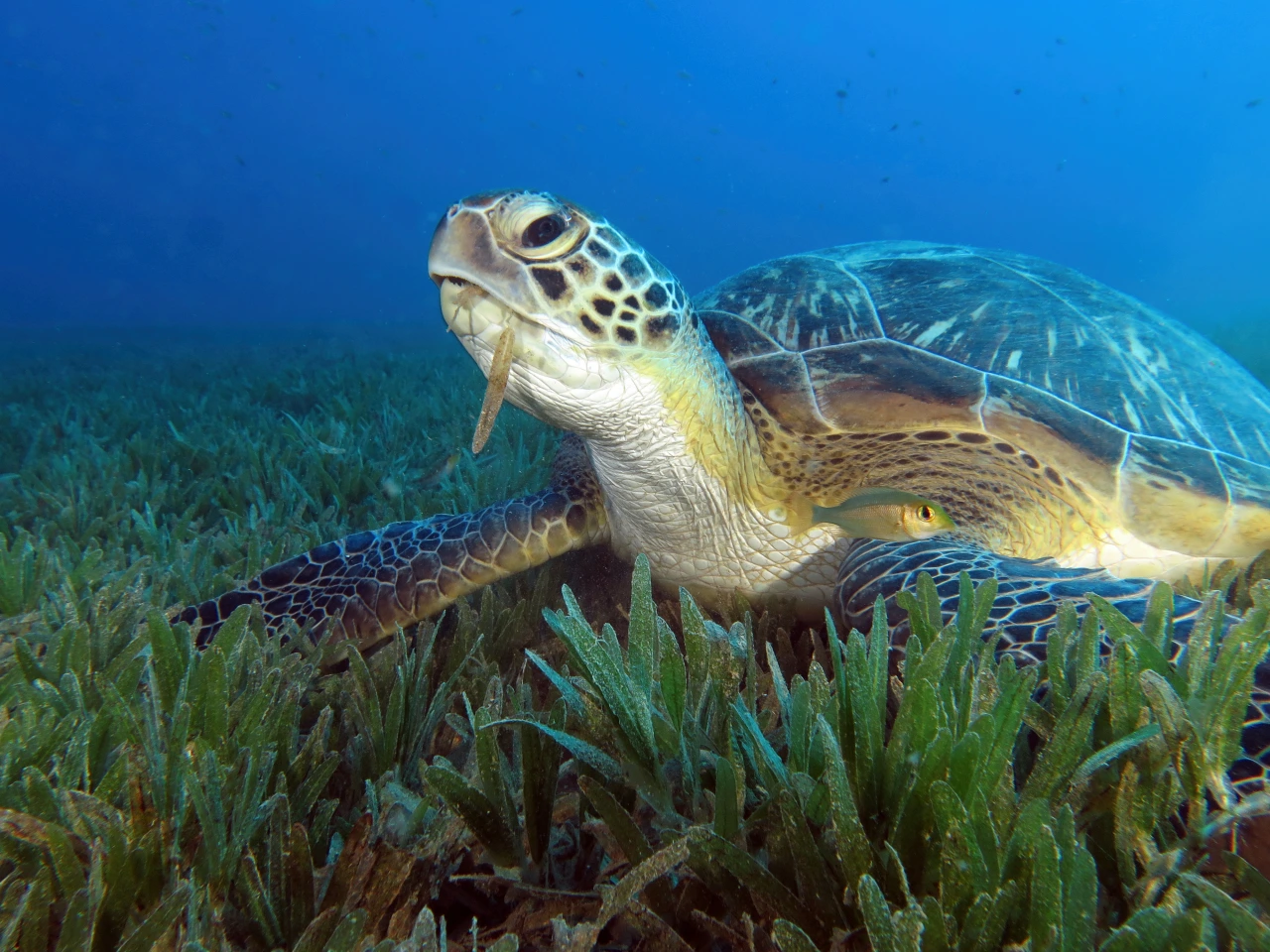
Photo credit: Laura Dts/Shutterstock.com
Photo credit: Kety.V/Shutterstock.com
What fish might I see while snorkelling in the bay?
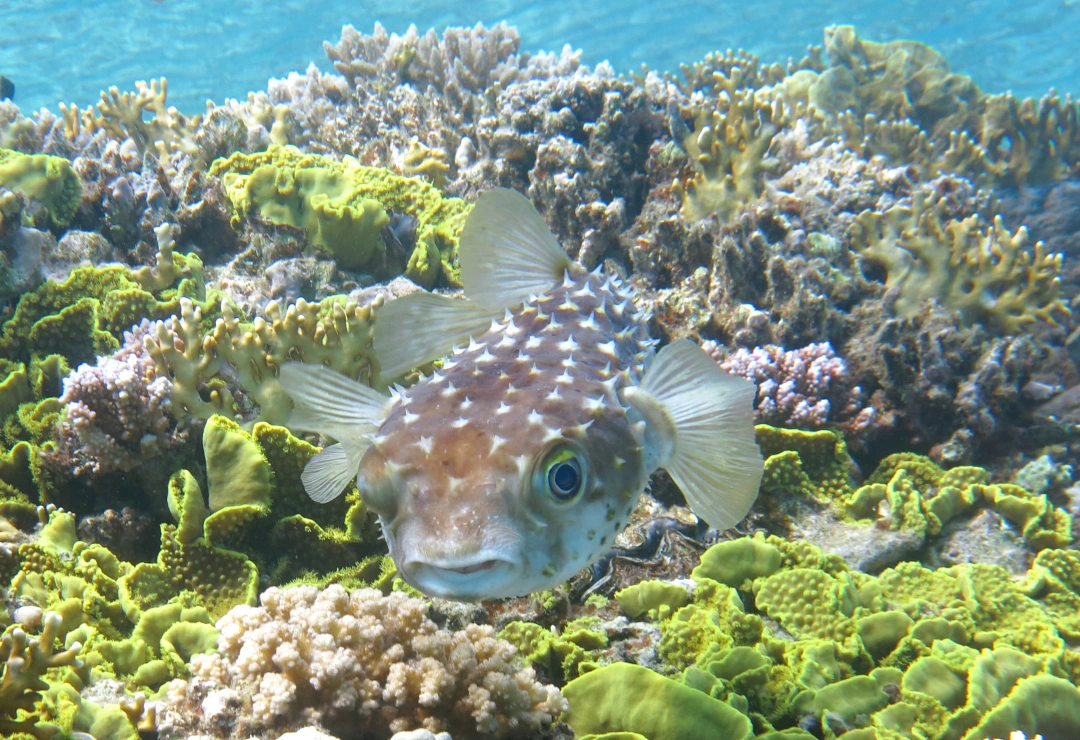
Abu Dabbab is a near perfect habitat for a very diverse range of marine life including butterfly fish, clownfish, bannerfish, parrotfish, triggerfish, goatfish, glassfish, sohal surgeonfish, scorpion fish, blue spotted stingrays, moray eels, barracuda, pufferfish, damselfish, stonefish, seahorses and harmless small guitar sharks. Only about a dozen of over 300 species of sharks have ever been known to attack people.
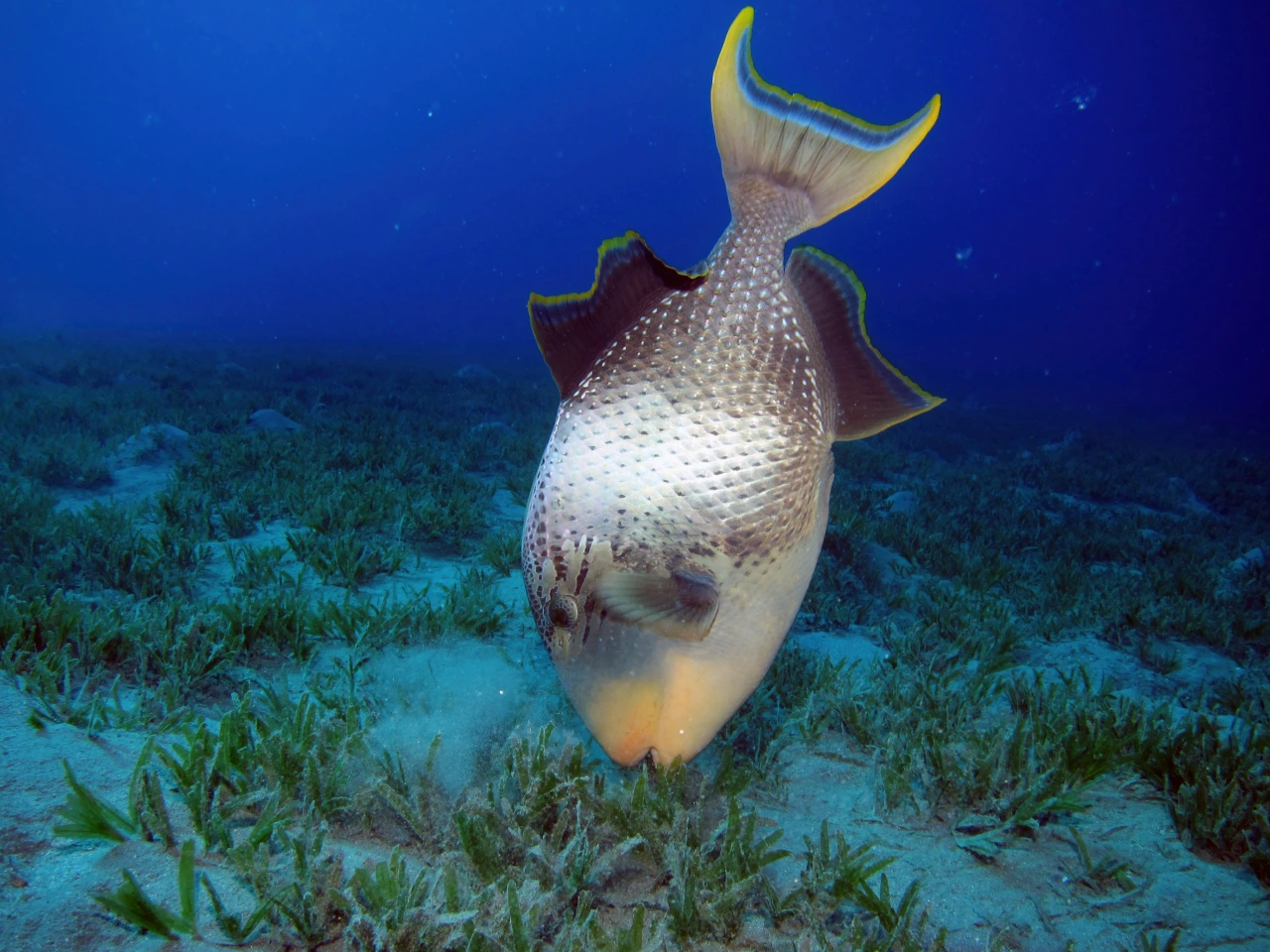
Photo credit: Laura Dts/Shutterstock.com
ID 51687584 | © Jiri Guttenberg | Dreamstime.com
Will I see a dugong?
One of the most famous attractions of Abu Dabbab is the chance of seeing and even swimming with one of the world’s few remaining endangered dugongs. These blubbery gentle creatures normally grow to between 2.4 and 3.3 metres long and typically weigh between 230 and 500kg.
Human activity is reducing their food sources and habitat and they are classified as vulnerable on the IUCN Red List, and as of 2019, there were only about 30 individuals noted in one study along the entire Marsa Alam coastline, but the best chance to see one is probably either at Abu Dabbab or along the coast of the Wadi El Gemal National Park. Even so, dugong visits to the bay are only occasional, so seeing one is far from guaranteed, but many visitors do and the more often you go the greater your chance.
It would be difficult to cite the exact percentage probability of spotting a dugong, and the only data which might give some sort of indication is now a little dated, a detailed academic study conducted back in 2012 ( Abu El-Regal et al., 2012). It “found that the green turtle was the most frequently encountered species (of six species of marine animals) and the dugong was the least frequently seen species.”
During the study period from September through to November, people reported seeing green turtles on every single day, with as many as 300 people reporting seeing a green turtle during the month of November. However, in contrast, it noted that “the Dugong is the least frequently watched among all animals in the bay. It was only seen twice in September, twice in October and once in November.” Though some 25 people had been lucky enough to observe it one day in September and one person in October and November.
Why are they called “seagrass gardeners”?
Dugongs are sometimes called “seagrass gardeners” because they eat seagrass by uprooting it, which helps to stimulate new growth. When they feed, dugongs pull out patches of old seagrass, creating open spaces where fresh, young shoots can grow. This increases the diversity of the seagrass itself, leading to a more balanced and varied meadow in the bay.
There is also another underappreciated dugong dividend at Abu Dabbab. When dugongs eat the seagrass, they digest it and later release it as waste, enriching the seabed with nutrients. This nutrient boost helps other plants and small marine organisms to thrive, creating a richer environment. Small fish, crabs, and other creatures are then attracted to these areas, further enhancing the biodiversity of the meadow.
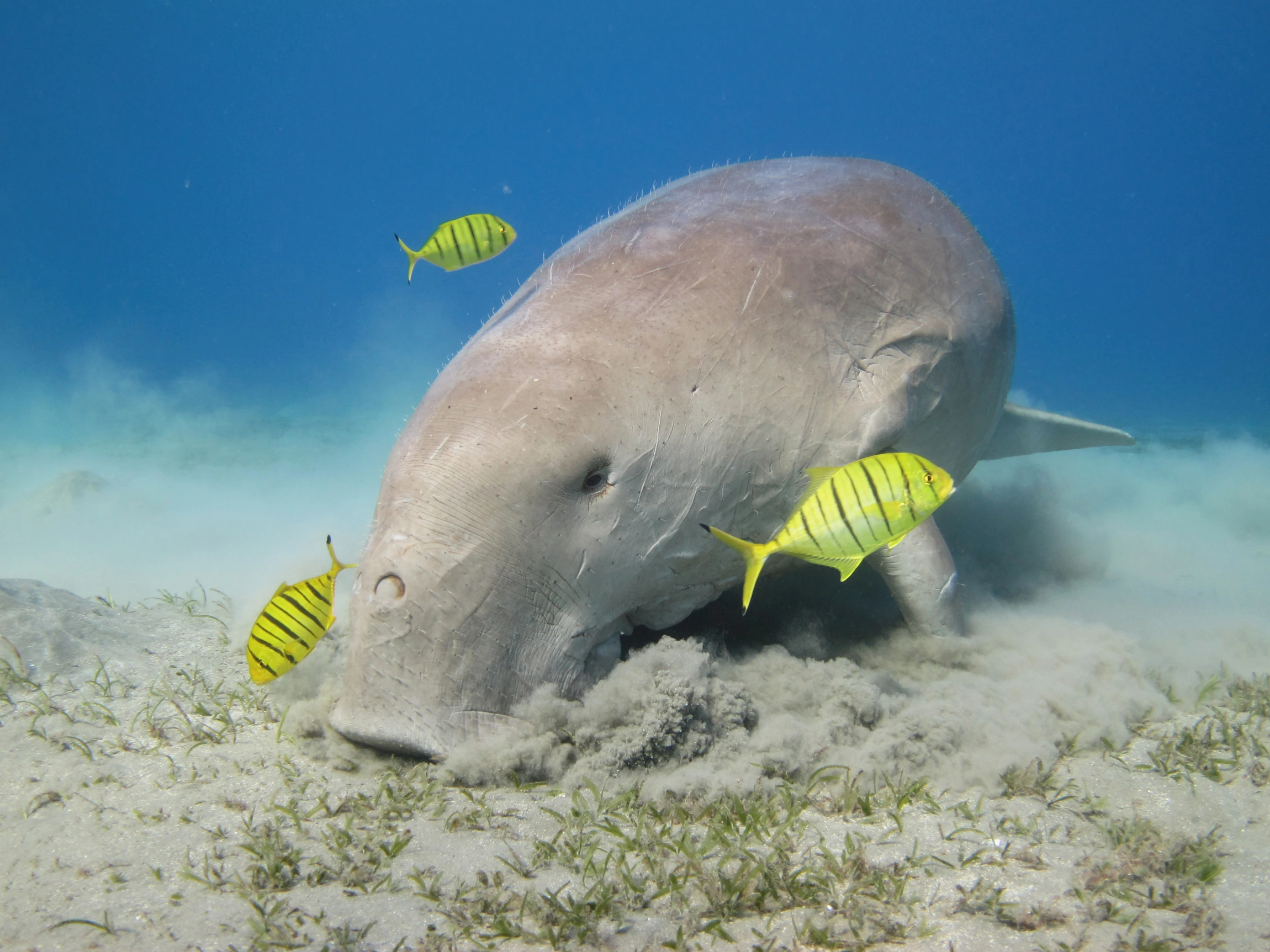
Photo credit: Laura Dts/Shutterstock.com
How might climate change affect Abu Dabbab?
Corals are highly sensitive to temperature changes. As ocean temperatures rise, the coral reefs in Abu Dabbab may experience more frequent bleaching events, where corals expel the algae (zooxanthellae) that live in their tissues. Without these algae, corals will lose their colour and primary food source, leading to weakened reefs and higher mortality. If the corals die off, many fish, invertebrates, and other marine life will lose their homes and food sources, reducing biodiversity in the area. Rising temperatures coupled with the acidification of the Red Sea, caused by increasing C02 levels, is also likely to negatively impact seagrass health, reducing available food for dugongs and potentially leading to their decline in the area.
As water temperatures change, some marine species may migrate to cooler areas, altering the species composition of the area. This can disrupt the existing food web and harm predator-prey relationships in Abu Dabbab Bay. At the same time, the rise in the sea level will result in increased coastal erosion, impacting Abu Dabbab’s beach, potentially altering its natural landscape and reducing its size and reducing the number of nesting sites for sea turtles, which rely on the sandy beach and its immediate surroundings for laying eggs.
As global temperatures rise, the atmosphere will be able to hold more moisture, which can lead to more extreme weather patterns, including intense storms and unpredictable rainfall events in desert and coastal regions like Egypt’s Red Sea coast. Flash floods can wash large amounts of sediment, debris, and pollutants from inland areas into the bay. This runoff can cloud the water, reducing sunlight penetration, which corals and seagrasses need to survive. Lower water quality would then be likely to further weaken coral reefs and harm other sensitive marine organisms. Dugongs, which rely on seagrass, would suffer if their primary food source declines, while corals may experience stress, disease, or even death from sediment coverage.
Can dugongs really help to combat climate change?
Indeed they can. Seagrass meadows are great at capturing and storing carbon, helping to reduce carbon dioxide in the ocean. By keeping seagrass meadows, like the extensive one at Abu Dabbab, healthy, dugongs contribute to this important role in carbon storage, which helps to fight climate change and stabilize the marine environment for a wide variety of marine species.
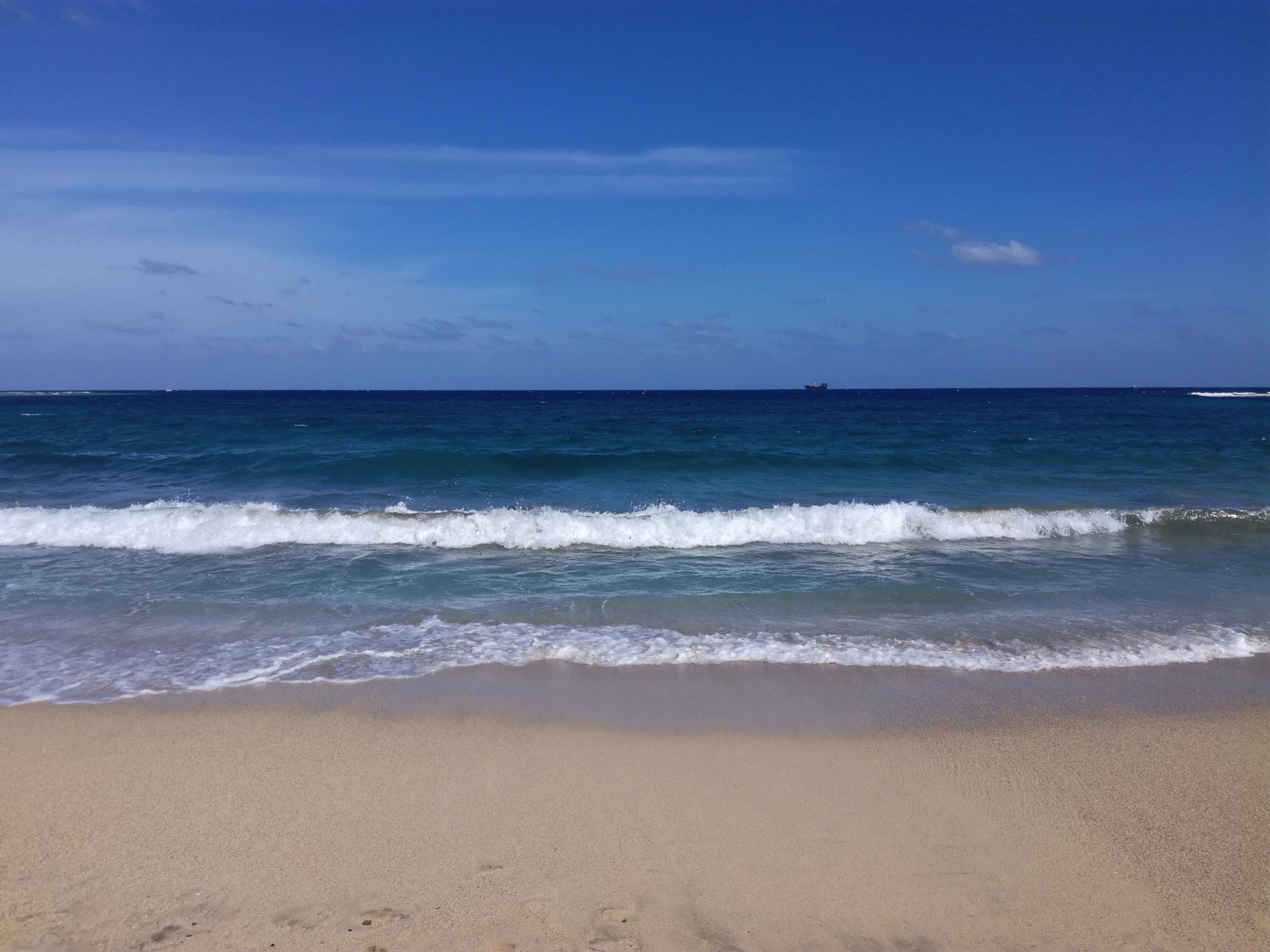
Photo credit: Kety.V/Shutterstock.com
What’s special about the beach itself?
Abu Dabbab Bay is naturally blessed with a wide sandy beach thanks to a combination of its sheltered location and gentle wave action. The bay is somewhat protected by the fringing coral reefs on its northern and southern edges, which reduce the strength of incoming waves. This creates a calm environment where sand can settle and build up over time, rather than being washed away by strong currents.
In addition to the coral reef protection, the Red Sea’s geological history also plays a role. The Red Sea region has tectonic activity that influences coastal formations, and over time, the shifting and settling of seabeds can lead to the accumulation of sandy beaches like the one at Abu Dabbab. Nevertheless, the bay’s sandy shores are relatively rare in the Red Sea, where many coastlines are rockier or covered in coral rubble.
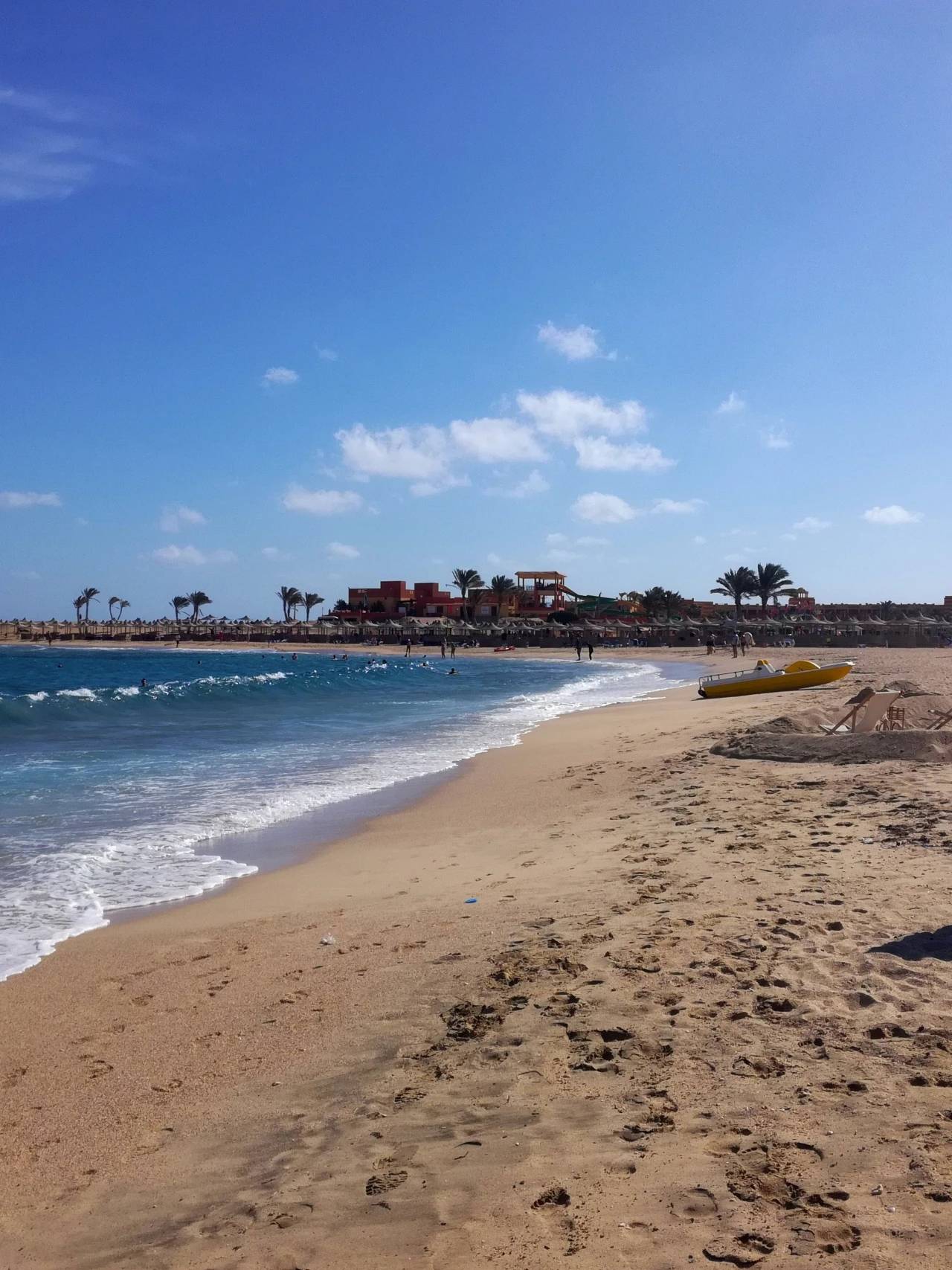
Photo credit: Kety.V/Shutterstock.com
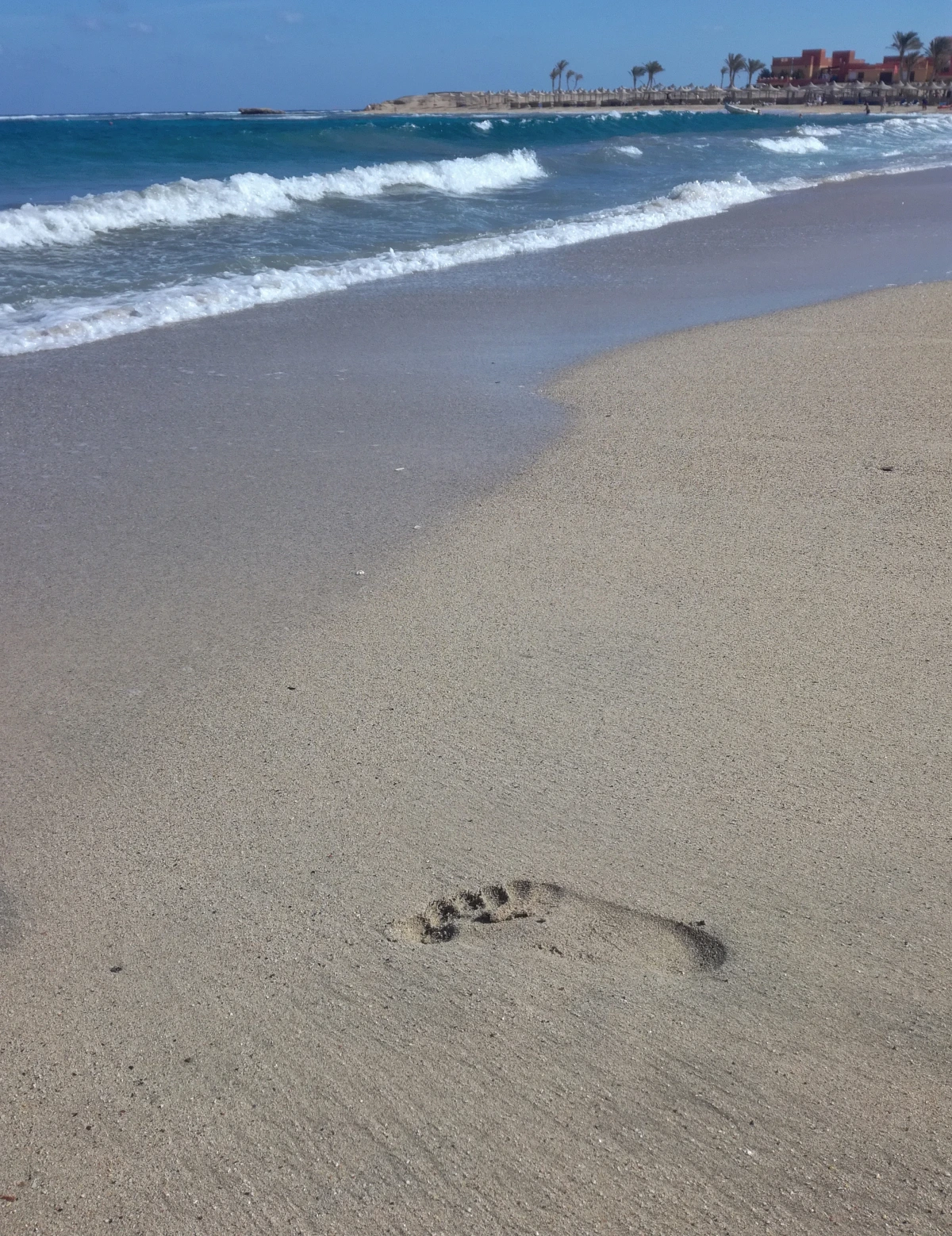
Photo credit: Kety.V/Shutterstock.com
Which online guides recommend Abu Dabbab?
The Rough Guide, as of November 2024, lists Abu Dabbab Bay as one of its top 10 recommended beaches in Egypt, ranking it at number 6 and calls it a “a diver’s paradise.” Sadly, Lonely Planet, omits any mention of the bay in its “seven of the best beaches in Egypt,” though it does mention Al Nayzak. You’ll find a description of this spectacular coastal rock pool, located a short drive south of the town of Marsa Alam in the Sharm El Luli section of this website.
What facilities are available At Abu Dabbab?
Access to one of the many parasols and sun loungers is included in the beach entrance fee. There are also a number of toilets and showers available, so you shouldn’t have to queue unless it’s very busy.
For those who prefer not to have the hassle of bringing their own food, there are several eating places including the Abu Dabbab Beach Bar and Restaurant (open daily 8 am to 11 pm) with a seating area directly in front of the sea and for those wishing to buy souvenirs or who forgot to bring their snorkelling equipment or sun cream, there’s a small beach market area with several shops (open daily 8 am to 6 pm). There are also two bars – the Reef Bar and Grill and the Flouka Bar with at least one happy customer complementing the Flouka’s seafood (Korradog01 Tripadvisor 22.08.2023)
Which hotels are within walking distance of the bay?
If you started walking from the busiest south western part of the bay and beach close to the beach market area, the nearest hotels would be (very approximate figures) Malikia Resort Abu Dabbab (about 10 minutes walk to the south east), Abu Dabbab Diving-Lodge (about 10 minutes to the south west), then Hilton Nubian (about 15-20 minutes to the north) and finally Three Corners Equinox (about 25-30 minutes to the south south east).
It should be noted these figures are very approximate and might depend on which route you take, how quickly you might walk, the weather conditions, and exactly where on the beach you start from and to which part of the hotel you are going. Also, at least three of the resorts, Malikia Resort Abu Dabbab, Abu Dabbab Diving Lodge and Hilton Nubian have their own private beaches on the bay, each of which are slightly closer to their respective parent hotel. Please avoid walking too great a distance if it’s extremely hot.
In terms of their average rankings by Tripadvisor travellers, as of 15 November 2024, the best rated is the Hilton Nubian (ranked 18th out of 108 Marsa Alam hotels), then Three Corners Equinox (ranked 21st out of 108 hotels), then Malikia Abu Dabbab (33rd out of 108 hotels) and then Abu Dabbab Lodge (65th out of 108 hotels).
However, Abu Dabbab Lodge might offer equally good value if you can get a room at the right price and on Google Reviews, as of 15 November 2024, there is only a small difference in the ratings between all four hotels, with both Hilton Nubian (at 4.6 with 5.7K reviews) and Three Corners Equinox (at 4.6 with 2.8K reviews) leading the pack with Malikia Abu Dabbab (at 4.4 with 3.9K reviews) and Abu Dabbab Lodge (at 4.3 with 889 reviews) biting at their heels.
And if you are staying at another hotel?
I would recommend contacting Steven’s Taxis with a TripAdvisor Travellers’ Choice award for 2024. They offer very competitive prices for a private air conditioned licensed taxi saloon or minivan as well as all-in excursions to other amazing beaches at Marsa Mubarak and Sharm El Luli. For more information please email steven@marsaalam.com or contact Steven by WhattsApp on +20 102 999 9978 or by phone on +20 1284 332 337.
A list of their airport transfer prices and their excursion prices to Luxor, Aswan, El Quseir and Cairo can be found here. Prices for an air conditioned licensed vehicle from hotels at Port Ghalib or near Marsa Alam Airport to Abu Dabbab Beach will usually be similar to or the same as those cited for an airport transfer to Abu Dabbab Lodge.