THE RED SEA OCEANIC WHITETIP – FAQ AND 12 BREATHTAKING PHOTOS
Incredibly cheap €8 Marsa Alam taxi transfer prices
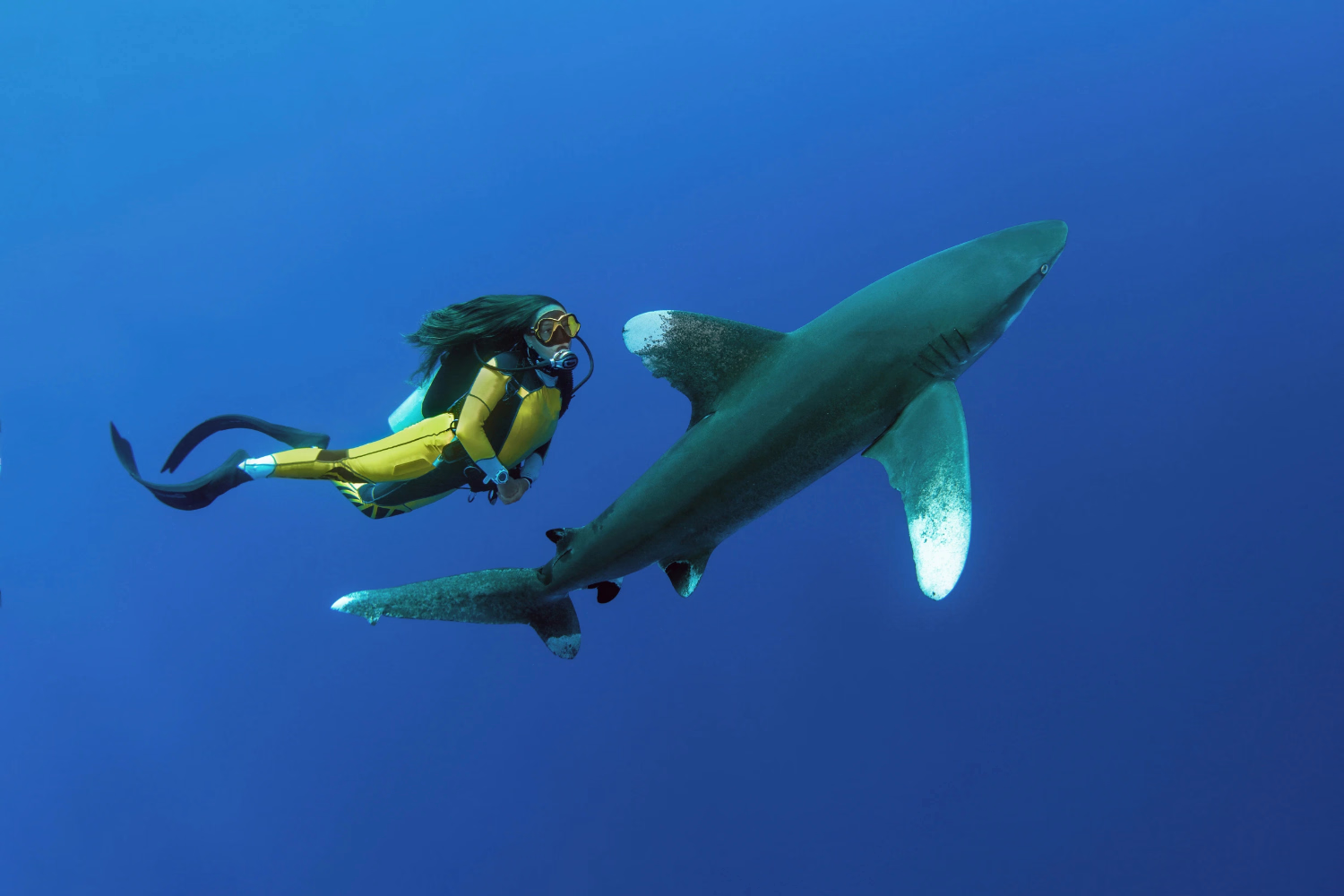
Photo credit: Damir Zurub/Shutterstock.com
This guide is for information purposes only. Seek professional instruction.
On this page you’ll discover the fascinating answers to questions people frequently ask about the oceanic whitetip shark, both in general, and in terms of this apex predator’s behaviour in perhaps its most famous habitat off Egypt’s Red Sea coastline. You’ll also find some jaw dropping photos of these majestic self confident sharks, captured by daring photographers at iconic dive sites like Elphinstone Reef and Big Brother Island, two must-visit locations for experienced divers off the Marsa Alam/El Quseir coastline.
How did it earn its name?
The oceanic whitetip has distinctive white tips on its rounded pectoral, dorsal, and tail fins which stand out against its much darker body. This unique feature is particularly prominent on its dorsal fin and pectoral fins, making it relatively easy to identify. As for the “oceanic” part of its name, this highlights its preference for the open sea or ocean, far from coastal waters. Unlike many sharks that stick to reefs or continental shelves, the oceanic whitetip is a pelagic species, perfectly adapted to the vast, deep expanses of open waters, whether in the Red Sea, the Atlantic, Indian Ocean or the Pacific.
What is its scientific name?
Carcharhinus longimanus. The name has intriguing roots. The first part, Carcharhinus, comes from the Latin carcharias, itself derived from the Ancient Greek word καρχαρίας (karkharias), meaning “shark.” This term is thought to relate to κάρχαρος (kárkharos), which means “sharp” or “jagged,” a nod to the shark’s saw-like serrated teeth. Meanwhile, longimanus combines the Latin words longus (long) and manus (hand), a fitting description of the shark’s long, rounded pectoral fins that enable it to glide relatively effortlessly through open seas without expending much energy. ( Dr. Elke Bojanowski )
What is the oceanic’s usual global and Red Sea habitats?
Oceanic whitetip sharks are primarily pelagic, meaning they are usually found in deep seas or open ocean waters, often far from shore. They thrive in warm tropical and subtropical regions between latitudes 30°N and 35°S, typically in temperatures between 20° and 28°C.[1] However, although they are generally associated with deep waters with depths greater than 180 metres (Jose I Castro The Sharks of North America, p.440), they can occasionally venture closer to coasts, particularly where the continental shelf drops off rapidly into deeper water.
There have been rare reports of encounters closer to shore, especially in areas where food sources might attract them. In Egypt’s Red Sea, there have been occasional incidents involving oceanic whitetips near reefs and drop-offs, but they are not typically found in shallow, sandy beach areas.
For divers interested in encountering oceanic whitetip sharks, the Egyptian region of the Red Sea offers several renowned locations, especially in the southern section off Marsa Alam where deeper waters meet reefs. The most likely spots include:
- Elphinstone Reef (Arabic: Sha’ab Abu Hamra): Located 12 km off the coast of Marsa Alam, this famous dive site is known for frequent oceanic whitetip sightings, especially during late autumn.
- Daedalus Reef (Arabic: Abu Kizan): A remote offshore reef about 90 km east of the coast of Marsa Alam requiring a liveaboard to reach. It is a hotspot for oceanic whitetips, as well as hammerheads and other pelagic (open ocean) species.
- Brothers Islands (Arabic: El Ikhwa or Al Akhawein ): Another popular liveaboard destination 67 km off the coast of El Quseir, the two Brothers Islands (Big Brother and Little Brother) are excellent for encountering oceanic whitetips, particularly in the cooler months.
- St. John’s Reef System: A newer but increasingly popular site, composed of several remote reefs, for those on liveaboards seeking oceanic whitetip encounters. It is located on the Tropic of Cancer near the border with Sudan and over 200 km south of Marsa Alam.
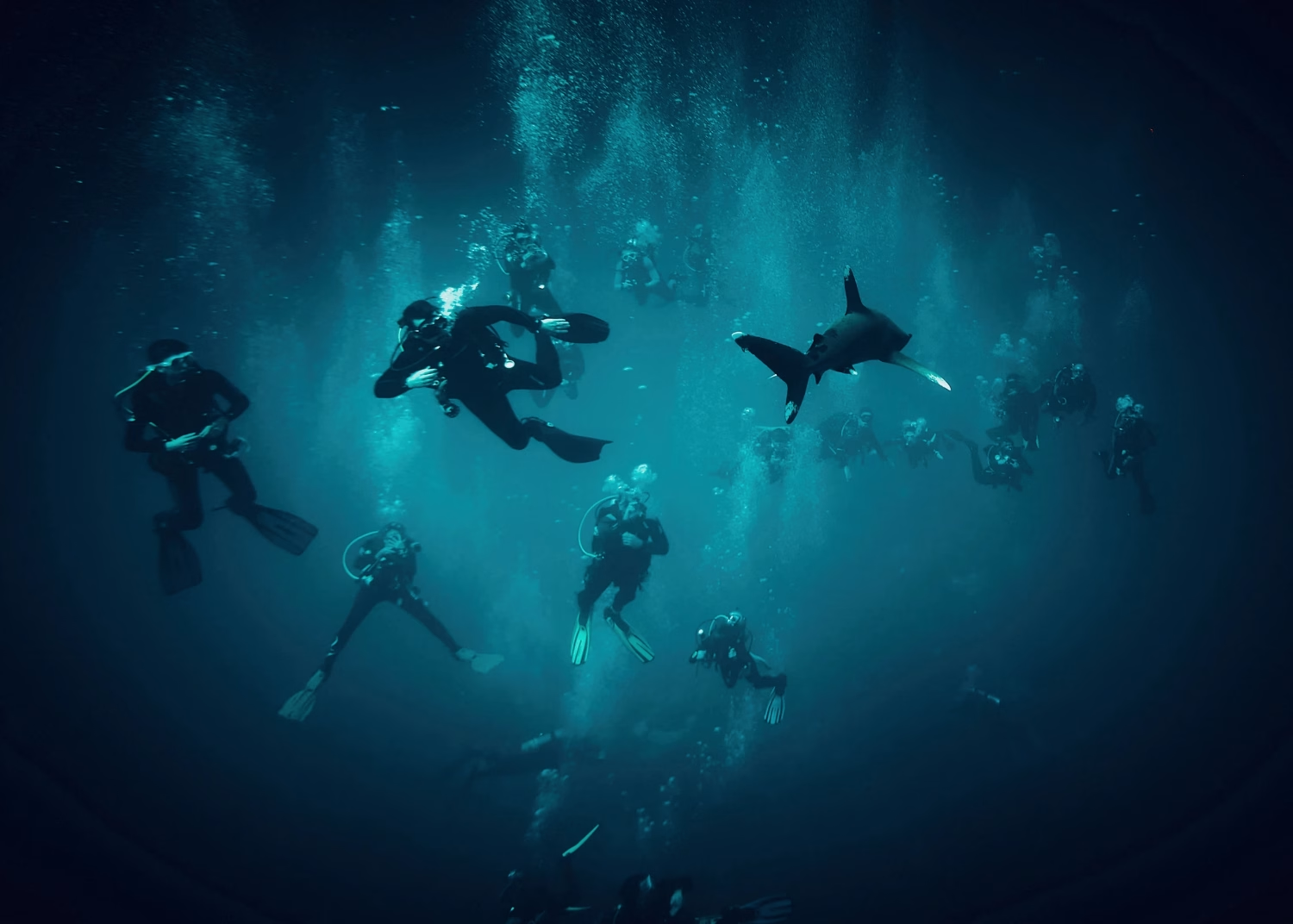
Photo credit: udmurd/Shutterstock.com
When’s the best time of year to see oceanics?
The best time to encounter oceanic whitetip sharks in the Red Sea is typically between October and December, when water temperatures are slightly cooler, and they are more likely to be closer to the surface. However, one diving excursion provider Dive Star recommends May and June for seeing oceanic whitetips at Habib Ali, the easternmost reef of the St. John’s Reefs system, while Emperor Divers reports that they are common at any time from “September through to June, at the off shore islands of Brothers, Elphinstone and at St Johns Reefs.”
In 2021, Dr. Elke Bojanawski, founder of the Red Sea Sharks Trust who started researching oceanic whitetip shark behaviour as part of the “longimanus project” in 2004, explained in a webinar, based on her own experience and knowledge, that in occasional years ( a couple of years in 17 that she remembered) they can be seen all year round, but she recommends November and December at either Daedalus, Brothers Islands or Elphinstone.
What’s the best time of day to see them?
The most likely time to encounter them is in either the early morning or late afternoon. These times align with periods when their prey (like schools of fish) is more active or concentrated, increasing the chances of sightings.
How big are oceanic whitetips?
Their typical size is as follows
- Females: Typically range between 2.1 and 2.4 metres (7-8 feet) in length and weigh about 70–110 kilograms (150 to 250 pounds).
- Males: Slightly smaller, averaging 1.8 to 2.1 metres (6 to 7 feet) in length and 45-90 kilograms (100–200 pounds) in weight.
- Pups: Oceanic whitetip babies range in size at birth from 50 to 71 cm (20 to 30 inches).[2]
Females are generally larger than males, which is common in many shark species. This size difference is thought to be related to reproduction, as females need additional energy reserves to support gestation.
It is believed that oceanic whitetips can grow as large a 4 metres (13 feet) long (J Baum et al., 2015) and weigh as much as 167 kg (Florida Museum & IGFA) though reports of extremely large oceanics seem to be mostly or entirely anecdotal. It has however been suggested that it is possible that a few individual oceanic whitetips might grow to a much larger size than most others.[3]
The maximum total length sizes for oceanic whitetips recorded with any precision are 320 cm in the tropical western Atlantic Ocean, 270 cm in the Pacific Ocean and about 308 cm in the Indian Ocean (ICCAT manual on oceanic whitetips p3.) I don’t have a precise maximum parameter for Red Sea oceanics, but the Red Sea Sharks Trust notes that most don’t grow any longer than 3 metres.
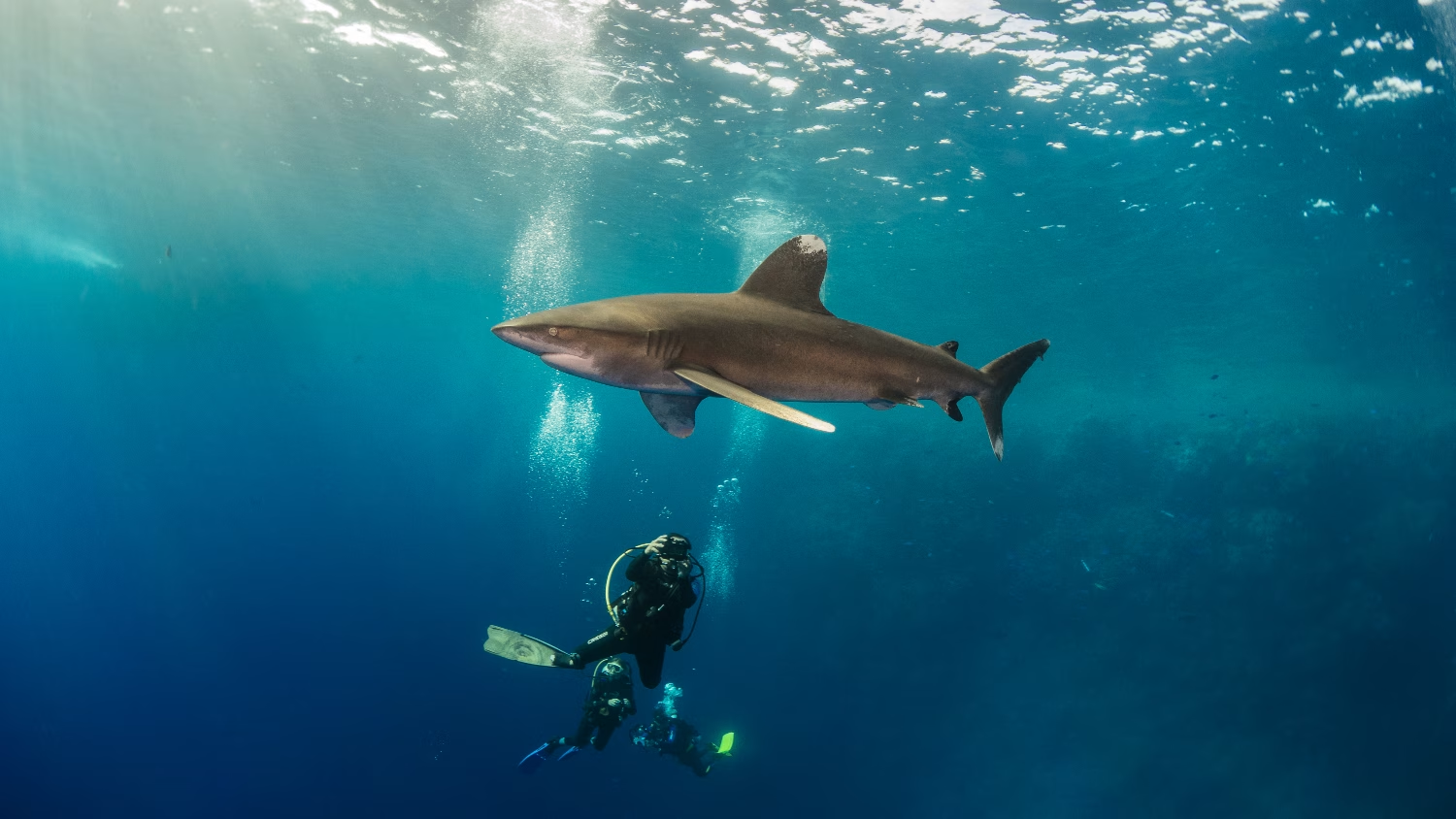
Photo credit: Karim Massoud/Shutterstock.com
Are they dangerous?
They are bold and curious but seldom pose a risk to humans, mostly during shipwreck scenarios or when very rarely spooked by diver behaviour or possibly extreme hunger.
Have oceanics been involved in any attacks on people in the Red Sea?
Despite the millions of people using Egypt’s beaches and the many thousands of close encounters between divers and oceanic whitetip sharks, there have only rarely been any incidents. However, the following attacks include all those we know about.
- Safaga (August 1997): A sixteen year old boy, Ayman Abul Hassan, was killed by a shark attack whilst fishing. The shark was thought to have been either an oceanic whitetip or a white shark. (Global Shark Attack File incident log)
- Sha`ab Mahmoud, Sinai (November 2003): On 6 November, Igor Fedorov received injuries to his hand and elbow following an encounter with an oceanic whilst snorkelling. (Global Shark Attack File incident log)
- Daedalus Reef (September 2007): On 27 September, a young woman Kristina Aleksandrova, about 18 to 20 years, was attacked by a shark and suffered severe lacerations to her lower left leg, ankle and foot. According to the Global Shark Attack File incident log, oceanic whitetips were known to have been in the vicinity.
- Daedalus Reef (July 2008): On 17 July, a Russian male diver had his leg severed by an oceanic whitetip but survived according to Shark-Utopia.com
- Elphinstone Reef (2008): On 27 November, a female diver was attacked by an oceanic whitetip receiving lacerations to her fingers. (Shark-Utopia.com)
- Habili Gafar, St. John’s Reef System (2009): Three divers were attacked by an oceanic, including one 50 year old woman, Katrina Tipio, who died from blood loss after multiple bites to her legs and thigh according to Reuters and the vlog Sharks Happen, and the other two receiving lacerations to the shoulder and left hand.
- Sharm El Sheikh (April 2010): A 24 year old man, James Elliott, received lacerations to his left ankle and foot from an oceanic whitetip while swimming. According to the Daily Mirror he managed to fend it off by kicking the shark with his other foot.
- Sharm El Sheikh (late 2010): In November and December 2010, a series of oceanic whitetip attacks occurred in Sharm El-Sheikh. One involved an elderly German tourist, Renate Seiffert, who was attacked while snorkeling. She suffered fatal injuries. Several other attacks in the same period left snorkelers injured, including bites to legs and arms. Possible contributory factors included overfishing leaving to increased shark hunger, reports of livestock carcasses dumped in the area, which may have attracted sharks closer to shore and alleged illegal or inadvertent feeding practices by some were also suspected of conditioning sharks to associate humans with food.
- Marsa Ghalib (August 2017): A young snorkeller, Kirsten Schachinger, was bitten by an oceanic on the right hip. The attack was not fatal.
- Brothers Islands (2018): A diver suffered a bite on the calf and severe loss of muscle to the lower leg while diving near the Brothers Islands in November 2018. The injury was non-fatal, but because it followed three previous incidents, two of which had resulted in minor lacerations and a third which had damaged a diver’s buoyancy control device jacket, the area was temporarily closed to divers as a precaution. Mark Russel, writing in Dive Magazine, commented that although there had been “four recorded bites from oceanic whitetips in recent months, such interactions are incredibly rare, given that thousands of divers visit the Brothers every month.”
- Elphinstone Reef (December 2020): An oceanic bit a female diver on the back of her left arm, but luckily, with the assistance of the dive guide, she was able to make it to the boat and once on land she was taken to a nearby clinic where she received 10-12 stitches for two wounds. Divernet, the online news and information outlet for scuba divers, cited Red Sea Diving Safaris explaining that “encounters with sharks are almost always without incident,” but adding that “We must accept that as humans we are entering their territory and there are risks involved with encounters with wild animals. We can reduce those risks by behaving appropriately but accidents can still happen.”
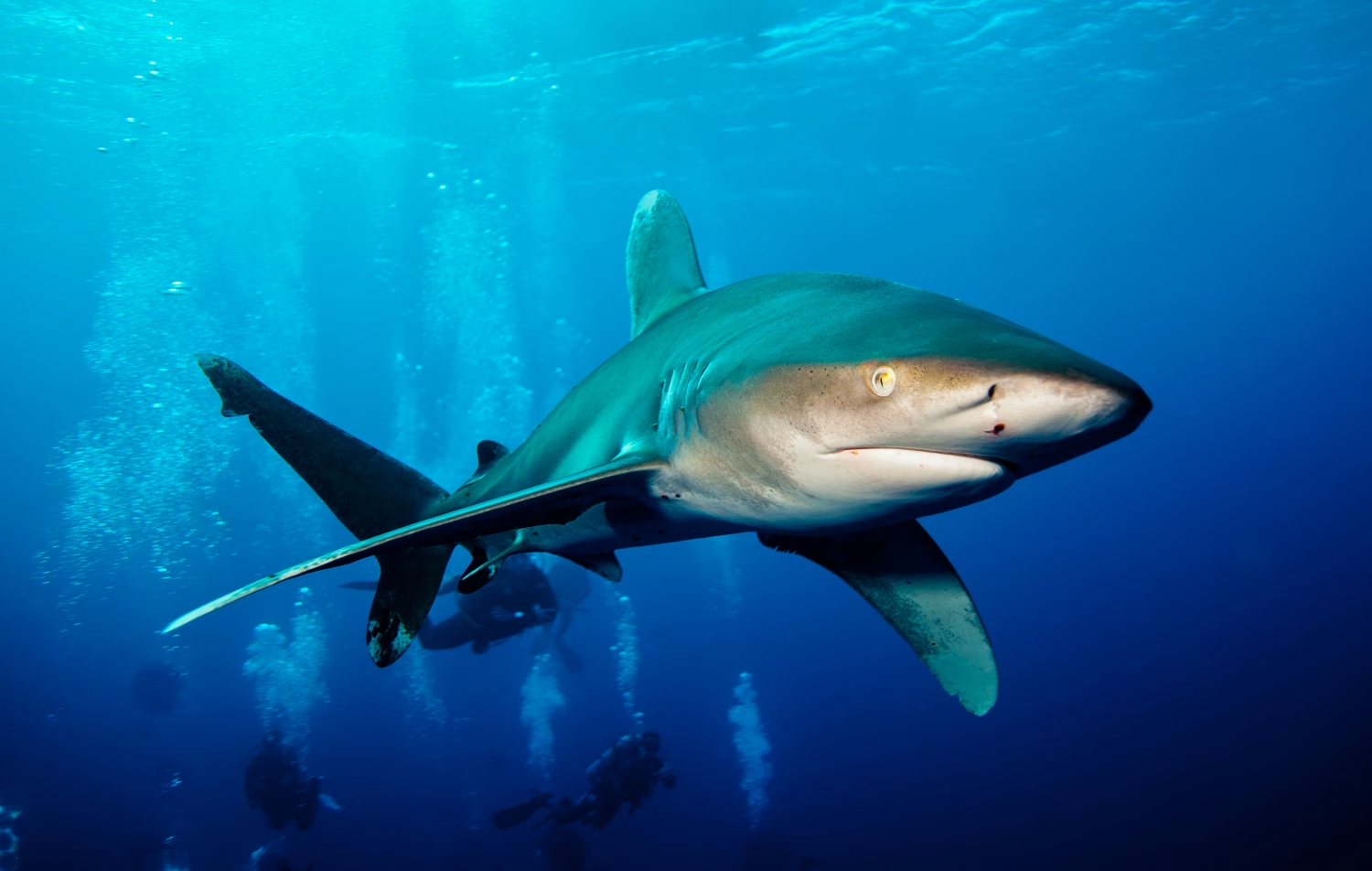
Photo credit: Wijnand Plekker/Shutterstock.com
How does this record compare to other areas of the world?
Attacks by oceanic whitetips elsewhere in the world are even rarer. According to the Global Shark Attack File, as of November 2024, all four recorded fatal attacks by oceanics since 1997 have occurred in the Egyptian Red Sea area. No fatal attacks occurred elsewhere. As to the 24 non-fatal attacks by oceanics worldwide since 1997, 15 of them (62.5%) were recorded in the Egyptian Red Sea.
Of the remaining non-fatal attacks, three occurred off the coast of the United States, two off Australia, one of the Bahamas, one off the Caribbean island of Saint Martin, one off French Polynesia and one off the southern coast of the United Kingdom, which involved no injury but a suspected oceanic colliding with a boat. According to the Guardian, the unnamed mackerel fisherman said a two metre long shark had “slammed into his boat,” and after doing some research concluded it may have been an oceanic whitetip.
How might the relatively high number of Red Sea oceanic attacks be explained?
- Environmental factors: The warm biodiverse waters of the Red Sea are an ideal habitat and it could be that the population of oceanics is more dense here than in other tropical and subtropical oceans.
- Geographic and topographical factors: The Red Sea is a relatively narrow body of water, which can concentrate shark populations closer to human activity zones like beaches and diving sites. Also, oceanic whitetips are disproportionately involved in attacks in open ocean environments and the Egyptian Red Sea coast’s unique geography with reefs often bordered or surrounded by deep ocean water, together with the large number of divers and sometimes snorkellers visiting such sites, might align with this tendency.
- Tourism Boom: Since the 1990s, Egypt’s Red Sea coast has seen a significant rise in tourism, particularly scuba diving, snorkeling, and other marine activities. Increased human presence in the water naturally elevates the likelihood of shark encounters.
- Other Human activity: Overfishing is a major problem in the Red Sea which, according to the Egypt Independent, could be at least partly attributed, as of December 2020, to “marine patrols failing to cover certain areas due to the expiration of navigational licenses and the failure of the Maritime Inspection Office to issue new ones.” This reduces the natural prey for sharks, potentially forcing them closer to the shore in search of food. In addition, some dive operators have reportedly fed sharks to attract them for tourists, which could alter their natural behaviour and make them associate humans with food.
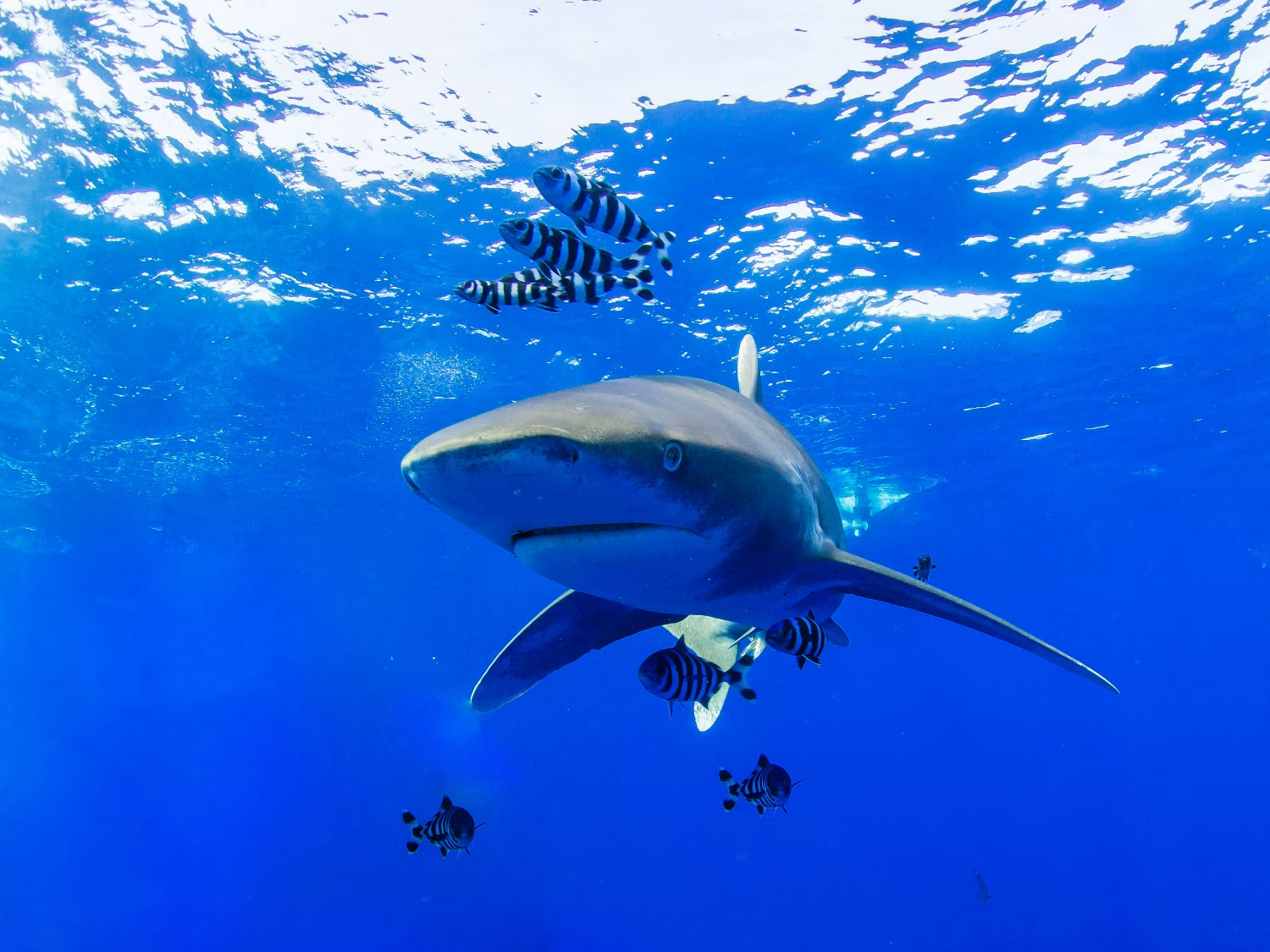
Photo credit: Piyapong Wongjittraporn/Shutterstock.com
How fast do they swim?
Oceanic whitetip sharks are fascinating predators with distinctive adaptations for swimming. They are built for endurance rather than outright speed. Their long, wing-like pectoral fins help them glide efficiently through the water with minimal effort. This adaptation is crucial for surviving in nutrient-sparse open ocean regions, where they must often travel hundreds or thousands of miles to find food.
Normal Swimming Speed
Their relatively slow cruising speed of 1-2 mph (1.6-3.2 km/h) might make them seem less agile compared to faster species like the mako shark, but it enables them to be opportunistic feeders. They are known to be bold and persistent when scavenging, often outlasting competitors due to their efficient swimming style.
Fastest Speed
Despite their usual slow speed, the Shark Research Institute notes that they can be “extremely fast and aggressive when competing for food.” Their burst speed is estimated to reach about 20 mph (32 km/h) during short sprints, especially when hunting or escaping predators. However, like most sharks, oceanic whitetips cannot sustain their maximum speed for long. Burst speeds are typically maintained for a few seconds to perhaps half a minute before they need to slow down to recover. This limitation is due to their reliance on anaerobic muscle activity for bursts of speed, which leads to the rapid build up of lactic acid.
Comparison with other sharks
Slower sharks
- Nurse Shark: Normally swims at about 0.3 mph (0.5 km/h) and has relatively limited sprinting capabilities.
- Greenland Shark: A deep-water species, it cruises at only 1 mph (1.6 km/h) but is adapted for cold, low-energy environments.
Faster sharks
- Shortfin Mako Shark: The fastest shark. It is capable of reaching speeds of up to 46 mph (74 km/h) in bursts.
- Great White Shark: Reaches speeds of 25 mph (40 km/h) during attacks.
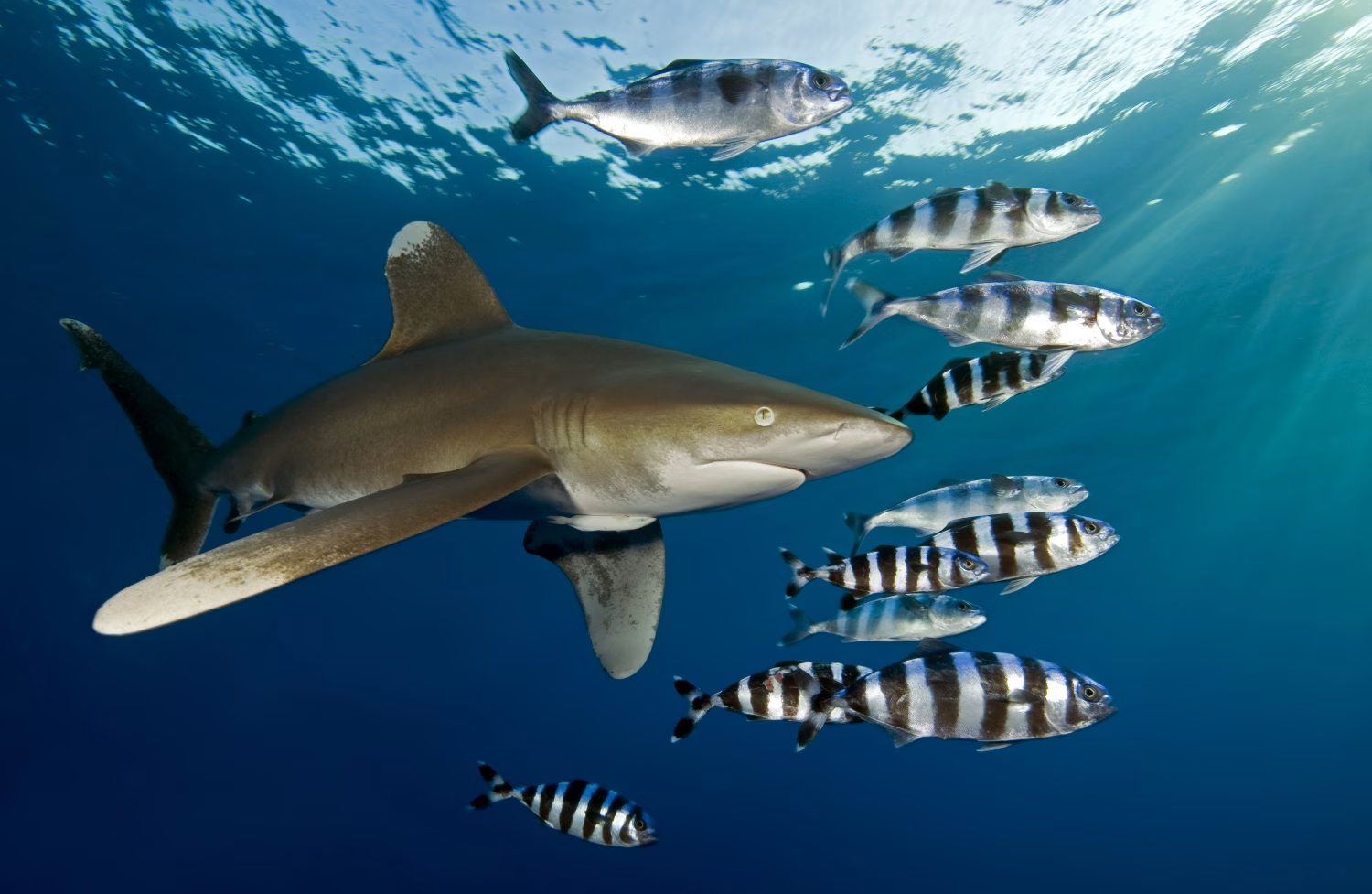
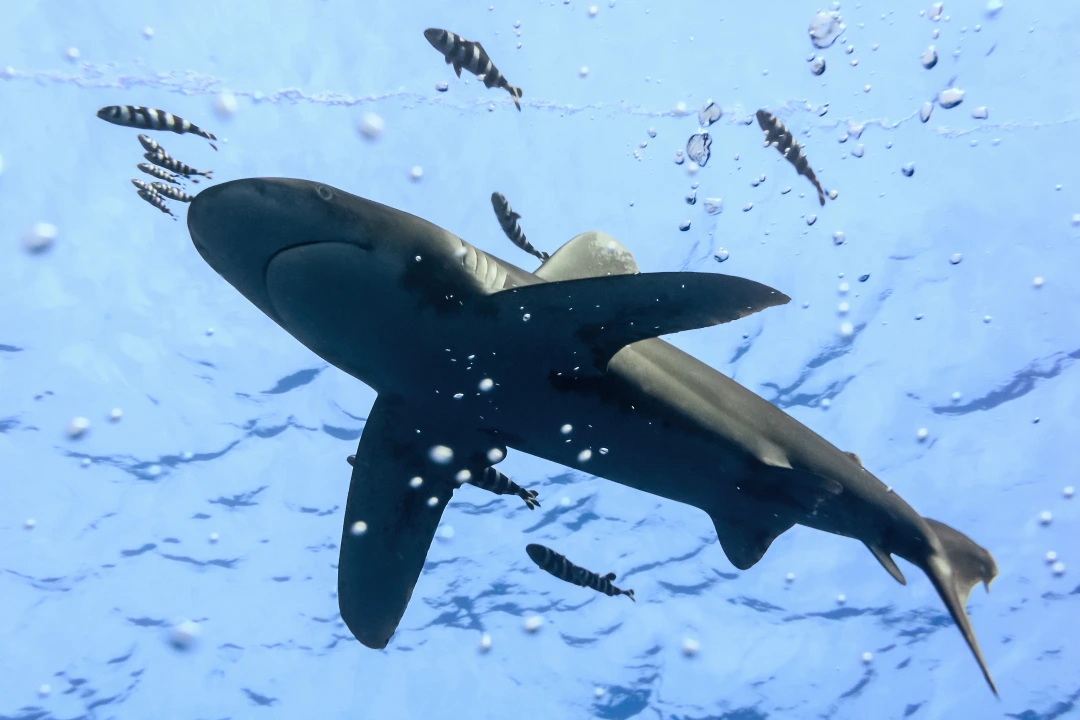
Note the pilot fish and the remora.
Photo credit: Dray van Beeck/Shutterstock.com
What is the relationship between pilot fish, remoras and oceanic whitetip sharks?
The relationship between oceanic whitetip sharks, pilot fish, and remoras is an example of a symbiotic relationship primarily characterized by commensalism (an association between two living things in which one benefits and the other neither benefits nor suffers any harm) and sometimes mutualism (where both benefit).
What are the respective benefits for each of the three species?
The oceanic whitetip benefits indirectly by having indirectly by having pilot fish and remoras that may consume parasites or leftover food scraps, keeping the shark’s body cleaner and healthier. The presence of these followers doesn’t harm the shark, as they do not impede its hunting or swimming.
The remora benefits from
- A free ride: Remoras attach to the shark’s skin using a specialized suction disk on their heads, allowing them to conserve energy while traveling long distances.
- Food source: Remoras feed on scraps of prey left behind by the shark, as well as parasites or dead skin from the shark’s body.
- Protection: Like pilot fish, remoras enjoy a measure of protection from the shark’s presence.
Interesting Fact: The suction disk of a remora is a modified dorsal fin that creates a vacuum, enabling a strong attachment to its host. This adaptation allows them to stay attached even at high swimming speeds.
The pilot fish benefit from
- Protection: staying near the shark helps pilot fish avoid predators, as few animals will approach a large, intimidating predator like the oceanic whitetip.
- A food source: Pilot fish feed on the shark’s leftovers from meals, such as scraps of prey, and sometimes they also eat ectoparasites off the shark’s skin. They sometimes even swim into its mouth to consume any food debris stuck to its teeth. Luckily, the shark rarely, if ever, seems tempted to have a quick pilot fish snack.
Interesting Facts: Pilot fish are known to form strong associations with their host sharks and may follow a specific individual for long periods. The myth that they navigate for the shark is untrue; instead, they follow to capitalize on food availability.
However, this myth was widely believed in the nineteenth century. The veteran sea voyager William Samuel Wilson reported in The Ocean As A Health Resort (1880 p.125) that “from personal observation I can testify that the pilot-fish appear to call the attention of their master (shark) to any food he may not have noticed.”
“Most friendly relations” between pilot fish and shark.
Regarding the strong mutual bond between shark and pilot fish, Wilson notes that “they (the pilot fish) appear much disconcerted when he (the shark) is hooked and hauled onboard ship. They are no doubt actuated by interested motives, and probably appropriate the smaller fragments of any prey, destroyed by the shark, which would have been beyond their own powers of attack, but at the same time they evidently preserve most friendly relations with their huge companion.”
He also cites an earlier account “written many years since,” how following the brutal capture and dispatch of a shark, the accompanying pilot fish “having lost their master, evinced their faithfulness to his memory by following close to the ship for many hours after the decease of the shark.”
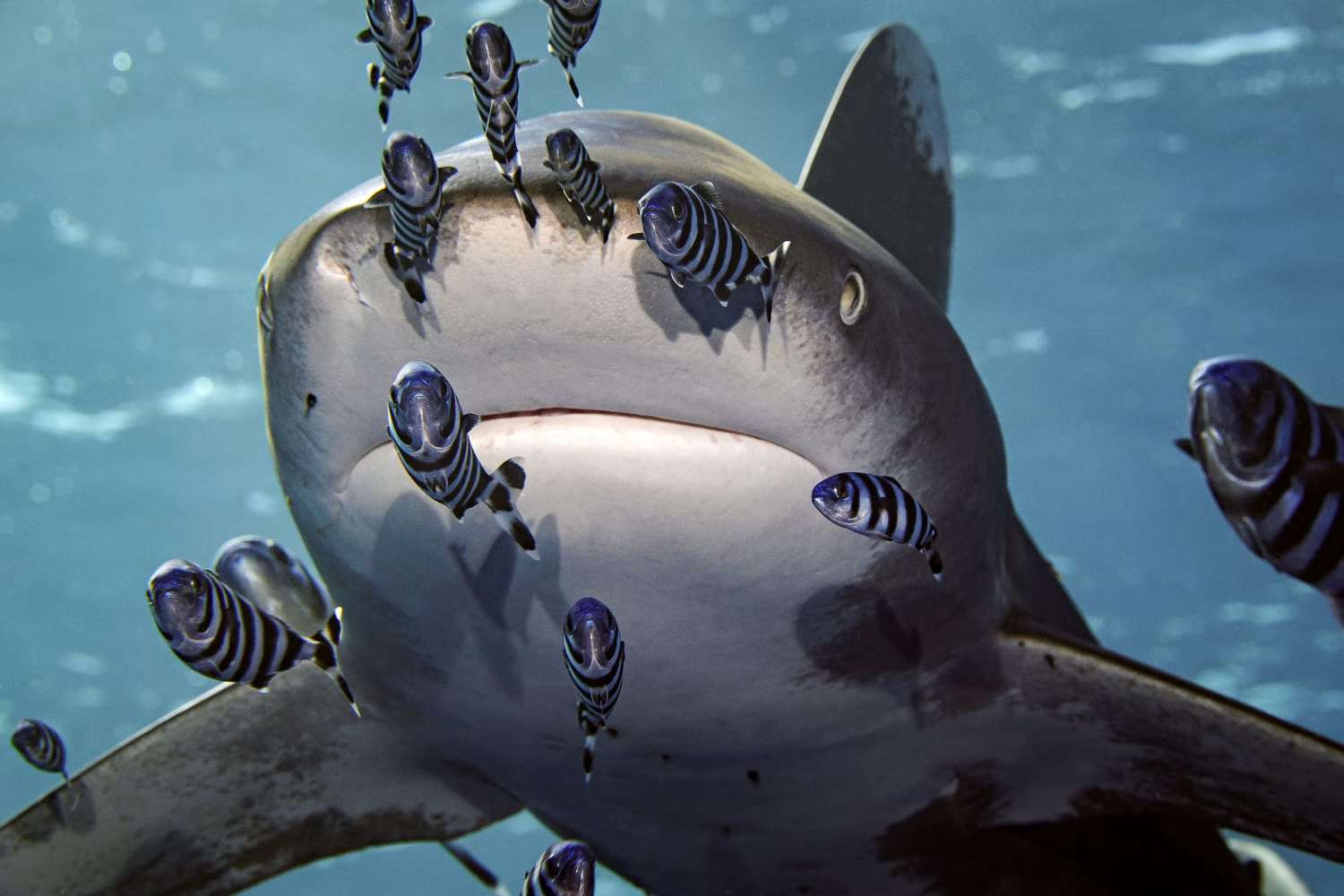
Photo credit: Jan Leya/Shutterstock.com
What is the typical lifespan of an oceanic whitetip shark?
Oceanic whitetip sharks are estimated to live 12–25 years in the wild, though exact data is limited due to challenges in studying them over long periods. It is thought that a few individuals may live as long as 36 years (NOAA Fisheries). The typical age of maturity varies slightly between males and females and there might also be a difference in lifespan though there is even less certainty about this.
Age of Maturity:
Different studies even in the same region have given different results. Based on figures from two studies of oceanic whitetips in the North Pacific, and taking the lowest and highest figures for each sex from the two studies,
- Males: Reach sexual maturity at around 5–8.9 years of age.
- Females: Mature at the same time or slightly earlier, at 4–8.8 years of age.[4]
Differences in Life Expectancy
While there isn’t definitive evidence suggesting a major difference in the lifespan of male and female oceanic whitetips, females often experience higher risks due to the physical demands of reproduction, such as gestation and parturition. However, the added survival benefits females might gain due to size (they’re often slightly larger than males) could counterbalance this.
Interesting Age-Related Facts
- Longevity Studies: Like many shark species, their age is often determined by examining the growth bands on their vertebrae, akin to counting tree rings. However, this method is imprecise and under revision as scientists refine age-determination techniques.
- Growth Rates: Oceanic whitetip sharks grow relatively slowly, which makes them particularly vulnerable to overfishing and other threats because they take a long time to reach maturity.
- Size Correlation: The largest specimens (females, in particular) are often older individuals, emphasizing their gradual growth over many years.
- Life History Strategy: They follow a “K-selected” life history strategy, meaning they have few offspring, mature late, and invest heavily in survival, which is contrasted with species that reproduce rapidly and in large numbers. Unfortunately, this makes them particularly vulnerable to the impact of overfishing and the decrease in available prey, as their slow growth and delayed reproduction make recovery in their numbers challenging.
ID 28775799 | © Stephankerkhofs | Dreamstime.com
ID 28178184 | © Krzysztof Odziomek | Dreamstime.com
What’s the oceanic’s typical diet?
Their diet is largely surface-based, as they are adapted to patrol the open ocean near the surface and is comprised primarily of
- Bony fish: Particularly schooling fish like tuna, mackerel, and barracuda.
- Squid and Cephalopods: Squid are an oceanic’s favourite and in the open ocean these animals are abundant.
- Other sharks and rays: They sometimes prey on smaller sharks and rays, showcasing their dominance in the food chain.
- Sea turtles: They are capable of taking bites out of smaller or weakened sea turtles.
- Marine mammal carcasses: They are scavengers as well, feeding on dead whales, dolphins, and (occasionally but not in the Red Sea) seals.
For more information on their typical diet see
- The ICCAT manual on oceanic whitetips p.3
- R Bonfil et al., The Biology and Ecology of the Oceanic Whitetip Shark in Merry D. Camhi et al, 2009, Sharks of the Open Ocean, p.131.
- Australian Government, Department of the Environment, Threatened Species Nomination, Carcharhinus Longimanus, p.18., Section 1.38 Feeding.
What are the stranger things they have been known to eat?
Oceanic whitetips are highly resourceful and will seize any chance to eat, especially in the often prey-sparse open sea. This also includes Red Sea oceanics when distant from the biodiverse densely populated reef ecosystems. So, it’s not surprising that they often stray from their usual diet to hunt and consume
- Seabirds: Oceanics have been observed snapping at seabirds floating on or near the water’s surface.
- Garbage: Items like plastic bags, fishing gear, and even metal fragments have been found in their stomachs, a telling sign of ocean pollution.
- Human related debris: After shipwrecks or aircraft crashes, they’ve been documented consuming floating human remains, earning them the nickname “shipwreck sharks.” Perhaps the most well known incident occurred on 30 July 1945 when the USS Indianapolis was sunk by a Japanese torpedo. Oceanic whitetips, and possibly also tiger sharks, were attracted by the sounds, the blood and thrashing motions and initially scavenged the floating corpses before attacking individual sailors in the water. According to an article on the tragedy in the Smithsonian Magazine, it is considered to be “the worst shark attack in history.”
- Coconut husks: In tropical areas (though rarely if ever in the Red Sea) they’ve occasionally eaten floating coconuts or husks, mistaking them for prey.
- Unusual marine life: These sharks have opportunistically consumed jellyfish, crabs, and even deep-sea fish brought closer to the surface by unusual conditions.
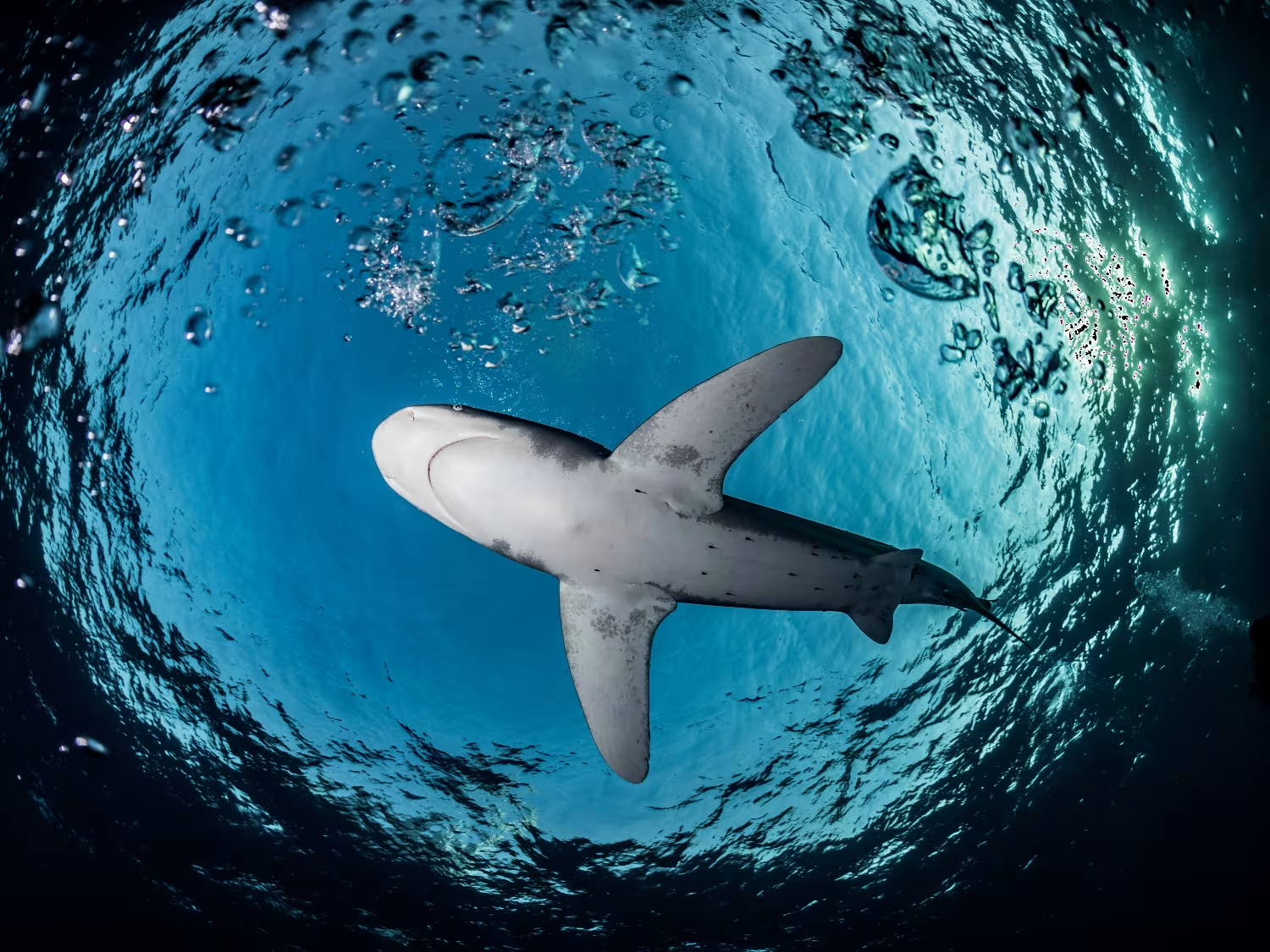
Photo credit: Wolfgang Schreibmayer/Shutterstock.com
Do oceanic whitetip sharks play any role in maintaining the Red Sea’s unique ecosystem?
Yes, they play a critical role, through their position as apex or near-apex predators, in the following ways
1. Regulating prey populations
Oceanic whitetip sharks keep prey populations in check, which prevents overgrazing or overpopulation of certain species. By preying on weak, sick, or slower individuals, they help maintain the health and genetic diversity of prey species such as tuna, squid, and other pelagic fish.[5] In the Red Sea, oceanic whitetip sharks may prey on schooling fish like mackerel and trevally, which helps balance their populations and ensures that prey species do not outcompete others for resources like plankton or smaller fish.
2. Promoting biodiversity
By controlling mid-level predator populations, oceanic whitetip sharks indirectly support the survival of smaller or less competitive species.[6] Without apex predators, species like mid-sized reef sharks or predatory fish could dominate, leading to fewer opportunities for smaller species to thrive in coral reef ecosystems, a key feature of the Red Sea.
3. Scavenging and nutrient cycling
These sharks are opportunistic feeders and often scavenge dead or dying animals, which contributes to nutrient cycling in pelagic (open sea – away from the shore) ecosystems. This behaviour helps to recycle nutrients back into the ecosystem, supporting plankton and other foundational species that thrive in nutrient-rich waters and also it cleans the water column of decomposing material, reducing the risk of disease spread.
4. Supporting ecotourism and conservation awareness
Although not a direct ecological function, the presence of oceanic whitetip sharks contributes to marine ecotourism, particularly in regions like the Red Sea, which is a global diving hotspot. This tourism can lead to greater funding and support for marine conservation efforts, although this also needs to be balanced against the need for it to be well regulated to prevent overexploitation of and damage to delicate marine ecosystems.
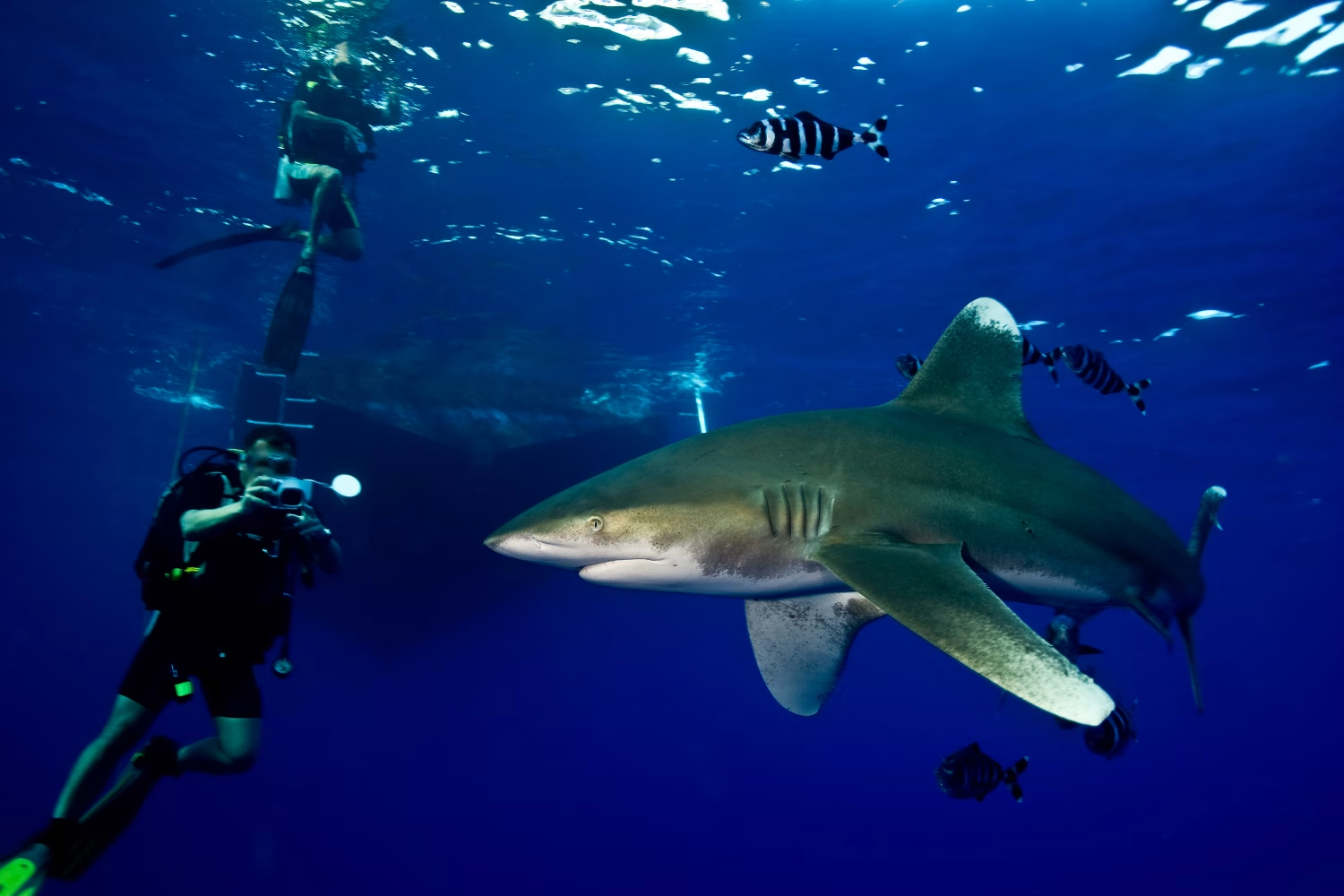
Photo credit: Stvan Kovacs/Shutterstock.com
How will climate change affect the Oceanic Whitetip shark?
1. Rising sea temperatures, especially in the Red Sea.
Oceanic whitetip sharks are cold blooded (ectothermic) animals with their body temperatures dependent on ambient sea temperature. They prefer tropical and subtropical waters, typically between 20–28°C and have difficulties adapting to temperatures above that threshold. A 2018 study published in the journal Nature noted that “slight increases in temperature above optimum can result in rapid declines in (foraging) performance” (S Andrzejaczek et al). Rising sea temperatures are therefore likely to force the species to migrate to higher latitudes or deeper waters in search of optimal conditions. This could affect their feeding, breeding, and migratory patterns.
The Red Sea is already one of the warmest marine environments, and further warming could exceed the shark’s thermal tolerance in some areas, especially in its northern parts. This might initially sound confusing since the northern Red Sea is significantly cooler than the south. Due to its higher latitude, the inflow of cooler water through the Suez canal and stronger winds which promote evaporative cooling, the sea temperature off the Egyptian coast ranges from 22 to 28c, while the temperature of the southern Red Sea between Yemen and Eritrea is a lot higher, ranging from 27 to 32c.
However, while the southern Red Sea is already near or above the oceanic whitetip’s upper thermal limit, the northern Red Sea, which has been historically cooler, is now warming at a rapid pace. This reduces the availability of “thermal refuges” where the shark might in future seek relief from increasingly extreme heat. Geographic constraints (the Suez Canal and the lack of connection to cooler waters) limit the oceanic whitetip’s ability to migrate away from increasingly warm waters. In contrast, southern populations will have potential access to the Indian Ocean, where they might find more favourable conditions.
2 Habitat Degradation
Coral reefs and open ocean ecosystems, crucial for prey populations, are being damaged by warming, acidification, and deoxygenation. Declines in prey abundance are likely to threaten the oceanic whitetip’s survival. The Red Sea has resilient coral species due to its naturally high temperatures, but continued stress could still disrupt the food web, reducing the number of schooling fish, squid and other marine life which the oceanic whitetip relies on.
3. Decreasing oxygen levels
Oceanic whitetips are sensitive to low oxygen zones, which are expected to expand due to climate change, since warmer water can hold less dissolved oxygen. These “deoxygenated dead zones” could reduce the availability of suitable habitat and create barriers to adaptive migration. It also, as shark expert Dr. Simon Pierce points out, reduces the depth to which they can dive since deeper waters contain even less oxygen than at the surface, making them “more susceptible to capture” by fishing vessels.[7] Some of the worst impacted areas are likely to be around the Gulf of Aqaba, Sharm El Sheikh and Hurghada where urbanisation and tourism related activities also contribute to nutrient runoff, exacerbating localized oxygen depletion.
4. Rising Sea level
Another threat, according to Pierce, is the rising sea level which can “reduce the light required by seagrass meadows to maintain photosynthesis,” consequently, “reducing the availability of seagrass-associated prey species for young sharks.”[8]
5. Reduced reproductive success
Warmer waters may influence reproductive cycles, gestation periods, and pup survival rates. If temperatures exceed optimal levels, the breeding success of the oceanic whitetip is likely to be negatively impacted, further stressing a vulnerable species already endangered by overfishing.
6. Increased likelihood of attack incidents, especially in the Red Sea
Although the population of oceanic whitetips will probably decline even further, humans might potentially be at greater risk of attack from surviving sharks. This is because climate change is causing
- Habitat shift within the Red Sea: As ocean temperatures rise, oceanic whitetip sharks may shift their habitat as they migrate to cooler waters that are within or at least closer to their thermal tolerance range. As migrating southwards in the Red Sea would bring them into even warmer waters, they are likely to be forced further north instead, closer to the more densely populated and tourist heavy areas around Suez, Sharm El Sheikh and Hurghada, and consequently more likely to be sharing the same waters as divers and other swimmers.
- Increasing number of Indian Ocean climate refugee sharks: Shark conservationist Ekrem Parmaksiz, writing shortly after the death of Russian tourist Vladmir Popov to a shark attack off a busy Hurghada beach in June 2023, believes that the warming, but still relatively cooler waters of the northern Red Sea are acting as a refuge for sharks driven by climate change and other human influenced factors (such as overfishing) from the worst affected areas of the Indian Ocean, with the refugee sharks (which might include some Indian Ocean oceanic whitetips) becoming “more aggressive if and when they fail to find their usual food.”[9]
- Decline in prey availability: Climate change will lead to habitat loss through coral bleaching and die off as well as the loss of seagrass meadows for many of the fish and marine life the oceanic whitetip preys on, causing its prey population to decline and the shark to become more desperate to find food.
- Warmer sea temperatures: As shark expert Simon Pierce notes, “As water temperature increases, the shark’s metabolism does too. They have to swim faster to deliver sufficient oxygen to their bodies,” causing them to burn more calories than they can easily find. So, unless they can adapt in other ways (by suppressing growth and reproduction), they will require more food.[10] This heightened hunger could make them more curious or aggressive, particularly in areas where humans are present, such as snorkelling or diving sites, which could result in an increase in unprovoked attacks.[11]
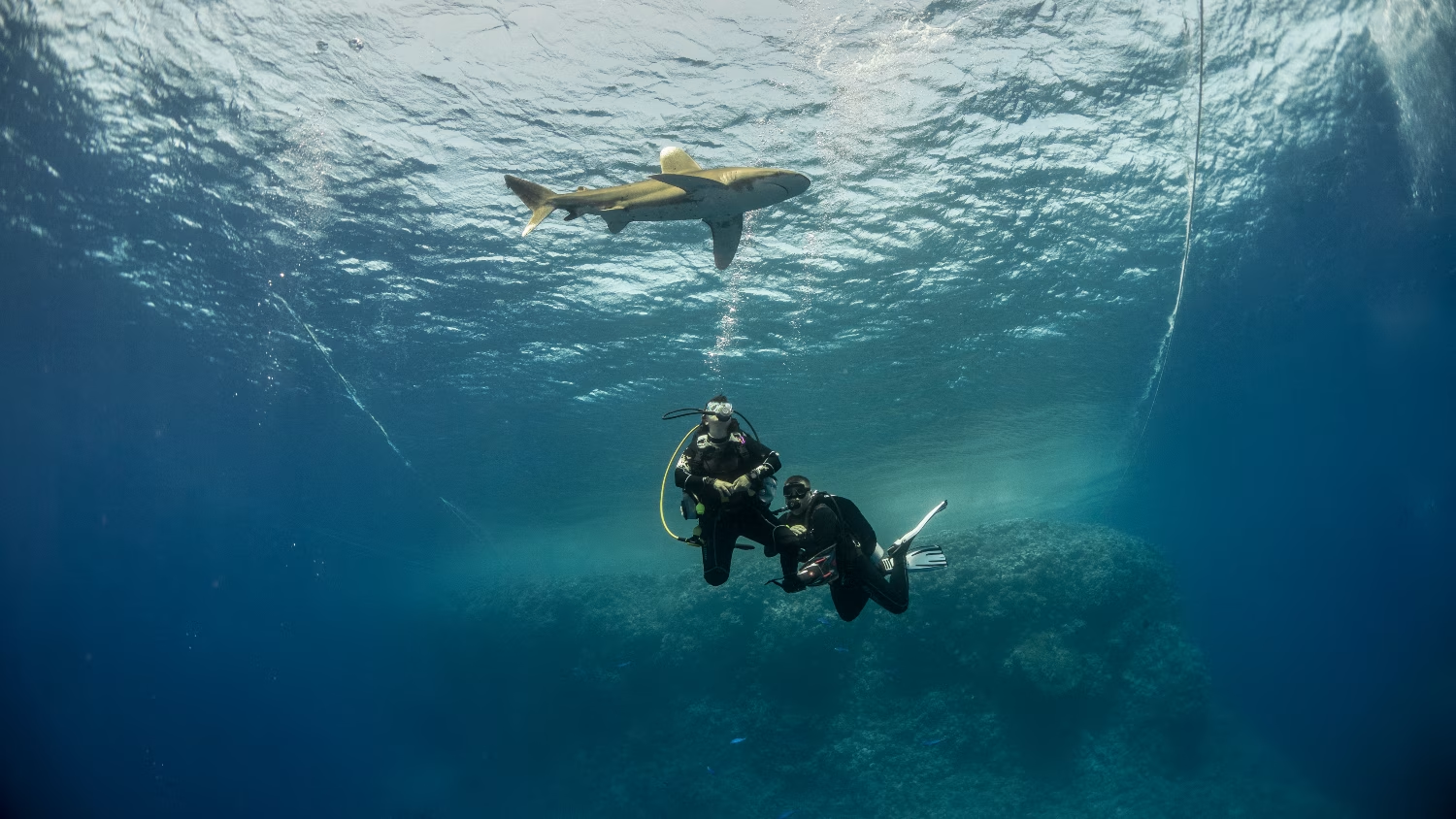
Photo credit: karim Massoud/Shutterstock.com
For more spine tingling info on other Red Sea sharks –
as well as tips on how to minimize the risk when swimming with them
Footnotes
- Regarding latitudinal range of the oceanic whitetip see New Zealand Department of Conservation page on the oceanic whitetip and also Australian Government, Department of the Environment, Threatened Species Nomination, Carcharhinus Longimanus, p.5. Section 1.10 Australian Distribution.
- Five studies cited in ICCAT manual on oceanic whitetips p9.
- Backus et al., A contribution to the natural history of the white-tip shark, Deep Sea Research 3, pp. 178–188.
- National Oceanic and Atmospheric Association, Endangered Species Act Status Review Report, ID# 17097, Oceanic Whitetip Shark, p.17.
- Australian Government, Department of the Environment, Op. Cit., p.5. Section 1.9 Ecology
- Australian Government, Department of the Environment, Op. Cit., p.5. Section 1.9 Ecology
- Dr. Simon J. Pierce, “Impacts of Climate Change on Sharks and Rays,” in Simon J. Pierce and Charles Ray, “Human Impacts on Sharks and Rays,” p.28 and p.31, Prepared for the Secretariat of the Convention on Migratory Species (CMS) by the IUCN Species Survival Commission, (SSC) Shark Specialist Group, 2022.
- Ibid., p.30.
- Ekrem Parmaksiz, Rogue Sharks? What’s Really Going On in the Red Sea, Divernet, 24 June 2023.
- Simon J. Pierce, Op Cit., p.29.
- This theory has been advanced by several writers including Hannah Hass, Shark Behavior is Being Rapidly Altered by Rising Ocean Temperatures, The Inertia, 6 August 2023, and S. Norris et al., Contributing Factors to Shark Attacks in Florida, 4 April 2024.