WHOSE PARADISE?
THE BATTLE FOR RAS HANKORAB
This same article can also be found below the guide section on the Sharm El Luli page.
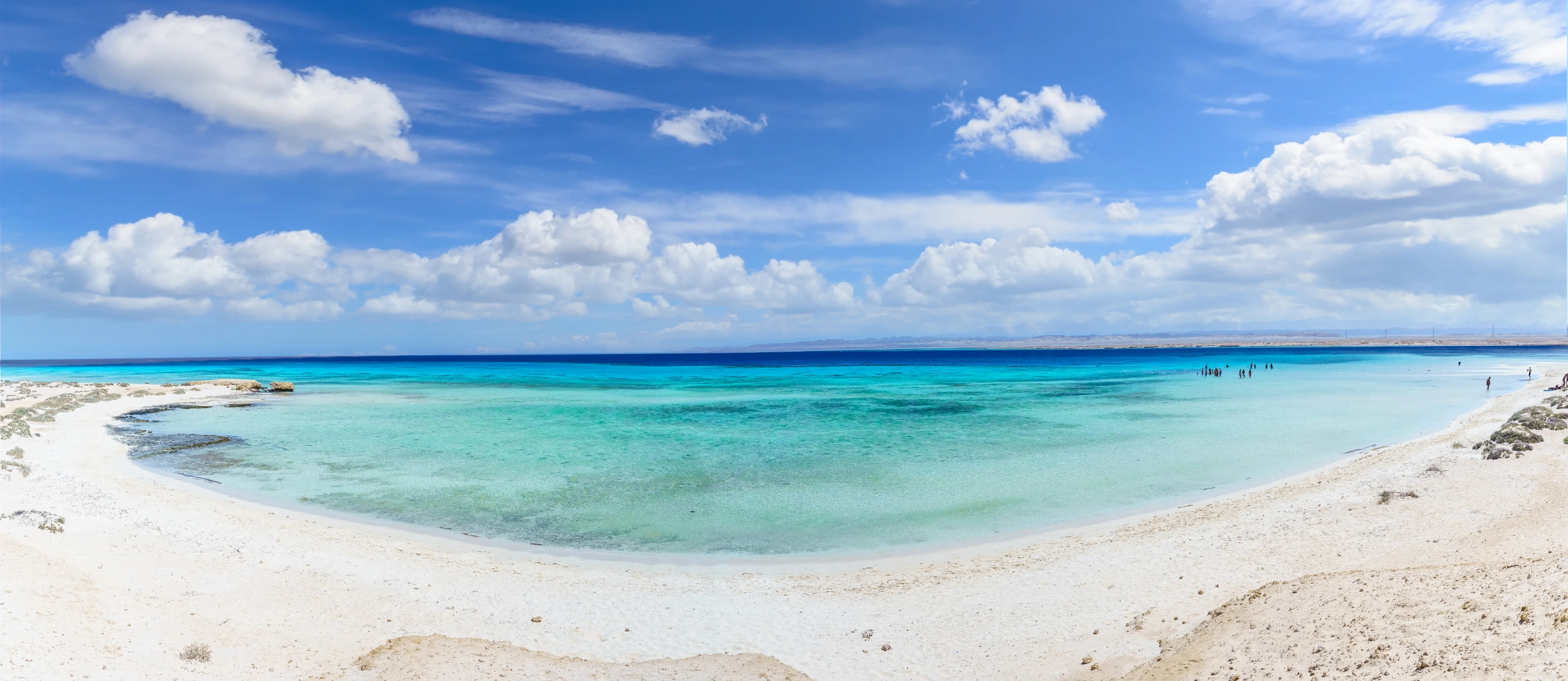
Photo credit: Balate.Dorin/Shutterstock.com
Ras Hankorab Beach is one of the crown jewels of Egypt’s Wadi El Gemal National Park, sheltering one of the nation’s few remaining near pristine marine habitats. But despite its protected status, a section of the beach was recently fenced off for development—an action that has alarmed conservationists and local residents alike.
Why it’s an Ecological Crown Jewel?
The Ras Hankorab coastline is ranked globally as a habitat of exceptional biodiversity. Its fragile ecosystem supports sea turtles at risk of extinction, coral reefs, mangrove trees, sea grasses, dugongs, dolphins and many rare species of fish (News9 Report). According to Professor Omar Tammam, an expert on Egypt’s natural reserves, Ras Hankorab beach also includes rare coral species. Incredibly, some might be over seven thousand years old but could now easily be threatened by disease, theft or other stresses, as elsewhere at Sharm El Sheikh and across the Red Sea (Zawia3).
Although vulnerable to tourism pressure and pollution, the coral reefs at Ras Hankorab and elsewhere in the northern Red Sea are notable for their surprising ability to cope with climate change and there is hope that research on the coral could help revive more vulnerable reefs elsewhere, which are crucial to the survival of thousands of fish species. As Professor Mahmoud Hassan Hanafy of Suez University explained at COP27, they are crucial to any optimistic outlook for the planet and providing they can escape the stresses placed on them by tourism development, they could be ‘among the last remaining in the world’, providing ‘hope for humanity that a unique ecosystem like this remains alive (M. Rizk 2022).’
At the same time, the mangroves and sea grasses at Ras Hankorab act as important carbon sinks, absorbing and storing carbon dioxide from the atmosphere, helping to reduce greenhouse gas levels and thereby mitigating climate change. A scientific study conducted in 2012 showed that the coastline here had a particularly high degree of coral diversity and included some fish species never seen elsewhere in the entire study area, such as the orangeface butterflyfish (Chaetodon larvatus) (HEPCA).
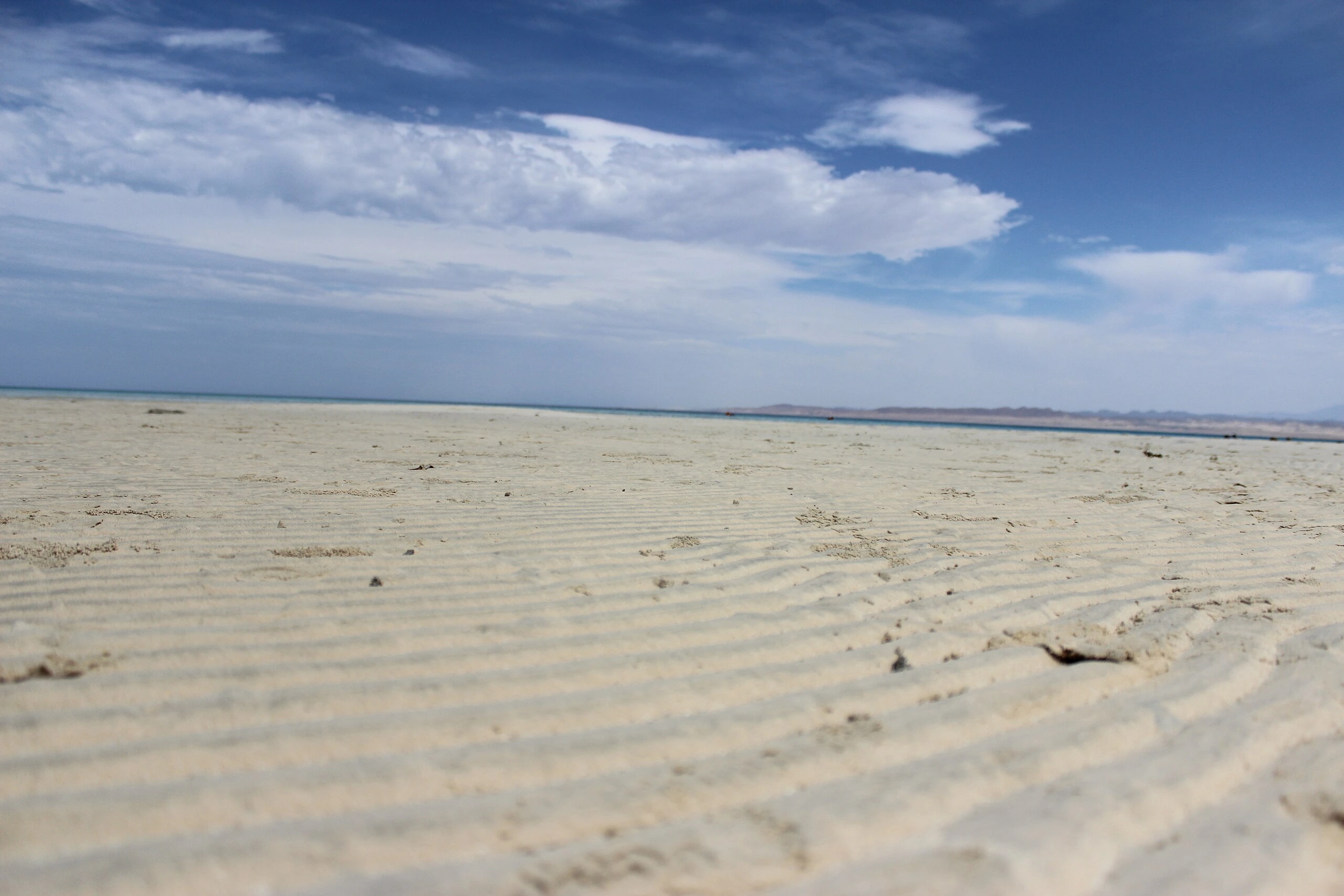
Photo: Mohammad Chawki CC BY-SA 4.0 Wikimedia
And Why is it Threatened?
In the last two decades, a surge in poorly regulated tourism as well as lax waste management have quietly taken their toll, putting this delicate ecosystem at both Ras Hankorab and Sharm El Luli under immense stress (HEPCA). The most recent and concerning threat, however, appears to involve plans for a tourism development.
As of April 2025 according to Reuters, a wooden fence now rings Ras Hankorab’s main beach, and images obtained by the news agency show a digger at work, allegedly part of a project to clear space for new chalet style huts, a seaside restaurant, a “farm” and various other tourist facilities such as changing rooms, restrooms, and a diving center.(Zawia3). One report claims that the company involved has allegedly “acquired an area of up to 10 kilometers of Hankorab Beach inside Wadi El-Gamal Reserve.”(Zawia3).
Conservationists warn that even limited construction here could destroy one of Egypt’s few remaining unspoiled marine sanctuaries (M. Ezz 15.04.2025). Locals, concerned tourists and activists are anxiously watching as these plans unfold, concerned about the future of this unique and environmentally crucial stretch of coastline.

Photo: CharlesEi1 – CC BY-ND 2.0 – via Flickr
A Timeline of Recent Developments
In November 2024, a group of individuals unlawfully took over Ras Hankorab Beach—part of the protected Wadi El Gemal National Park—and set up a residential tent in clear violation of Egypt’s environmental laws. The management of the Wadi El-Gemal Reserve responded swiftly, filing an official complaint that led to a court ruling on 1 December 2024. Each offender was fined 5,000 Egyptian pounds (about $100), and the court ordered all illegal structures to be removed (Zawia 3). However, concerns quickly resurfaced. By March 2025, reports emerged of large-scale excavation and construction work using heavy machinery to build tourist facilities—activities that conservationists warn could seriously disrupt the region’s ecological balance (ECESR).
On 11 March 2025, HEPCA (the Hurghada Environmental Protection and Conservation Association), a long established Egyptian NGO, published an article calling for a collective effort to protect Ras Hankorab (HEPCA). Shortly afterwards, on 17 March four Egyptian NGOs launched a Change.org petition to save Ras Hankorab declaring that “plans to construct a private hotel within Wadi El-Gemal National Park” endangered ” not only the fragile ecosystem but also the rights of Egyptians to access their own natural heritage.” As of 20 May 2025, it had gained over 6,300 signatures.
On 20 March, Samira Al-Gazzar MP, a member of the Planning and Budget Committee of Egypt’s House of Representatives submitted an urgent statement to the Speaker. Al-Gazzar condemned the current construction activity, saying it amounted to creating a fait accompli on the ground in clear defiance of Egyptian environmental laws. She described the situation as a serious case of corruption and a direct challenge to the authority of the state and its constitution, which includes key protections for nature reserves. She also questioned why local and national authorities—such as the Red Sea Governorate, the Environmental Police, and the Ministry of Environment—had not stepped in to stop the violations (Zawia3).
On 22 March, the legal counsel of the Egyptian Center for Economic and Social Rights (ECESR) filed a complaint with the Public Prosecutor requesting an investigation into ongoing encroachments. Two days later on 24 March 2025 the same NGO submitted further complaints to the Prime Minister’s Office, Ministry of Environment, and the Red Sea Governorate , urging urgent action to address reports of encroachments and halt any form of illegal development (ECESR).
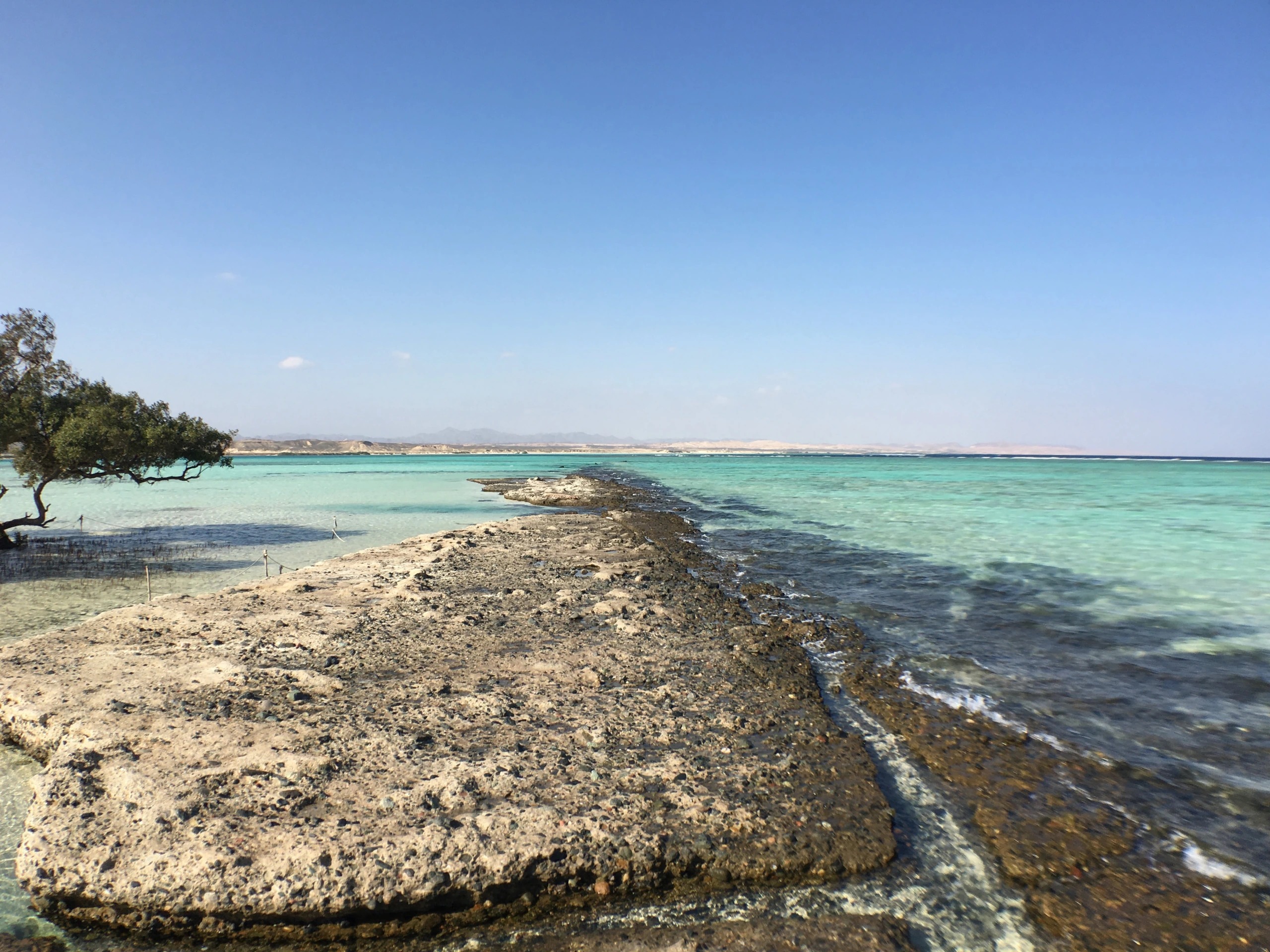
Photo: CharlesEi1 CC BY ND 2.0 via Flickr
Quotations
Note: While I, like many people, use the names “Sharm El Luli” and “Ras Hankorab” interchangeably on some pages of this website, they are technically two separate spots on the map, though very close to each other. The headland, beach and lagoon at Ras Hankorab (found around 24.56N, 35.16E) lies just 7 km south of the inlet called Sharm El Luli (around 24.61N, 35.11E). Locals and tour operators typically use either name interchangeably to refer to this short, but breathtakingly beautiful, stretch of coastline which is of enormous ecological interest and importance.