Sharm EL Luli (Ras Hankorab)
To book an excursion contact steven@marsaalam.com or via WhatsApp on +20 102 999 9978.
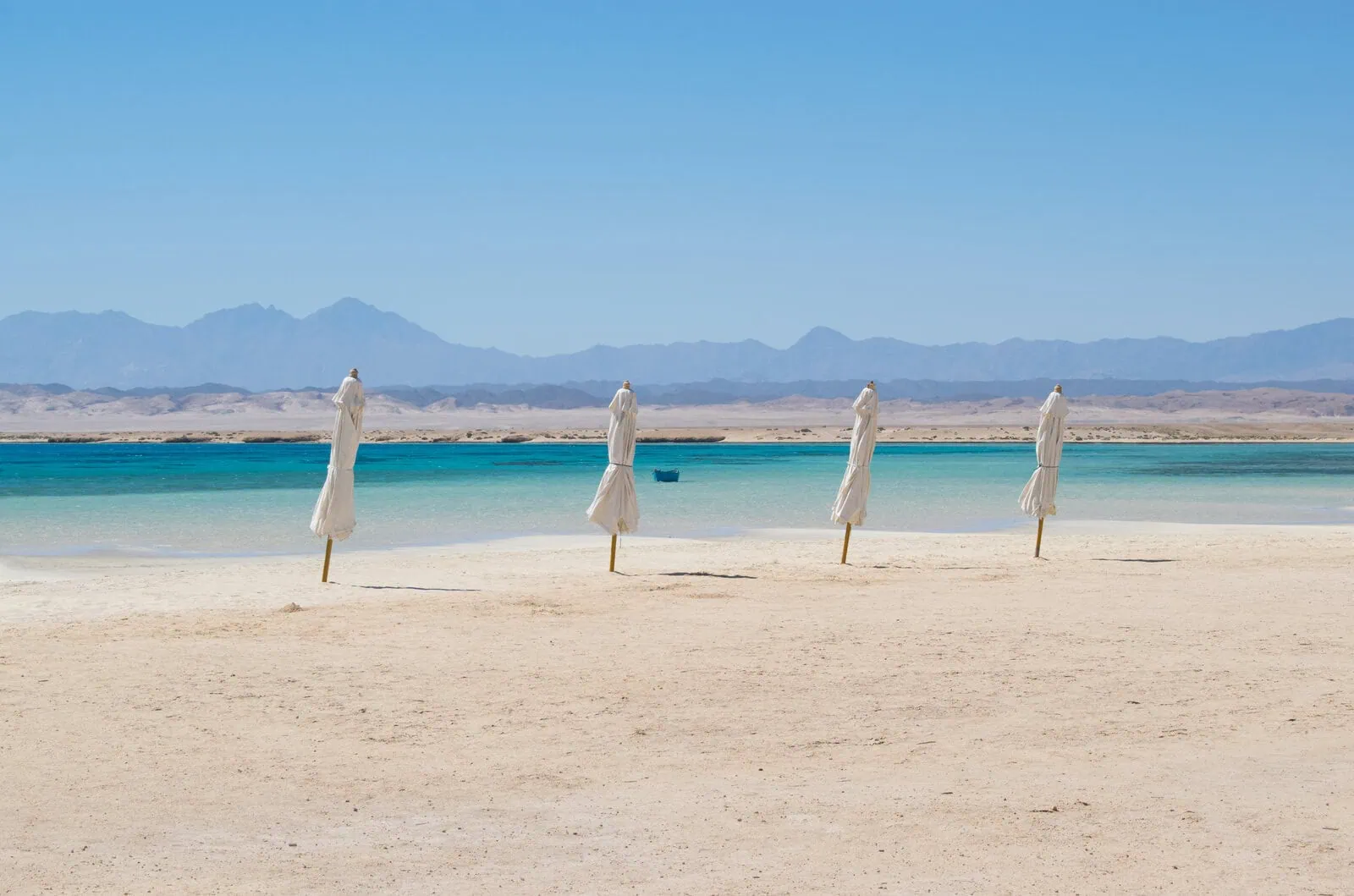
Photo credit: Mohamed Ramez/Shutterstock.com.
For the latest regarding the possible privatisation of Ras Hankorab and its potential environmental impact see – Whose Paradise? The Battle for Ras Hankorab. Also, please consider the following online petition.
Paradise (AKA Sharm El Luli or Ras Hankorab) is located some 60 km south of Marsa Alam town – about half way to Berenice – that’s if you believe the hype surrounding this remote sandy beach and lagoon.
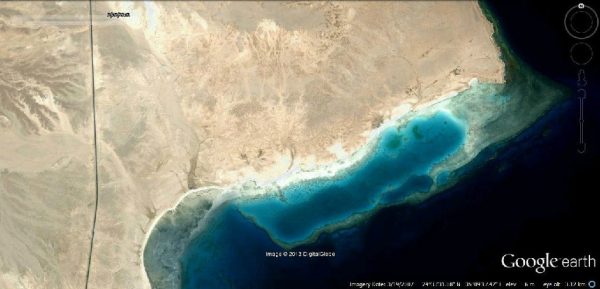
For GPS anoraks it’s located at approximate coordinates 24.56 North and 35.16 East which, as you can see from the satellite image at the bottom of the page, is exactly the middle of nowhere.*
And that’s half the attraction – “It’s a pristine fine as talc white sandy beach that puts the Maldives in the shade” – tout the sales reps – “No it’s not. Its’ sands are pale yellow and some Caribbean beaches are better,” whinge a few dissatisfied tourists who appear mortified that their fellow Tripadvisor travellers have ranked it first of 28 “things to do in Marsa Alam” (as at the time of writing – 03.02.2026).
*While I, like most people, use the names “Sharm El Luli” and “Ras Hankorab” interchangeably throughout this guide, they are technically two separate spots on the map, though very close to each other. The headland, beach and lagoon at Ras Hankorab (found around 24.56N, 35.16E) lies just 7 km south of the inlet called Sharm El Luli (around 24.61N, 35.11E). Locals and tour operators typically use either name interchangeably to refer to this short, but breathtakingly beautiful, stretch of coastline which is of enormous ecological interest and importance.
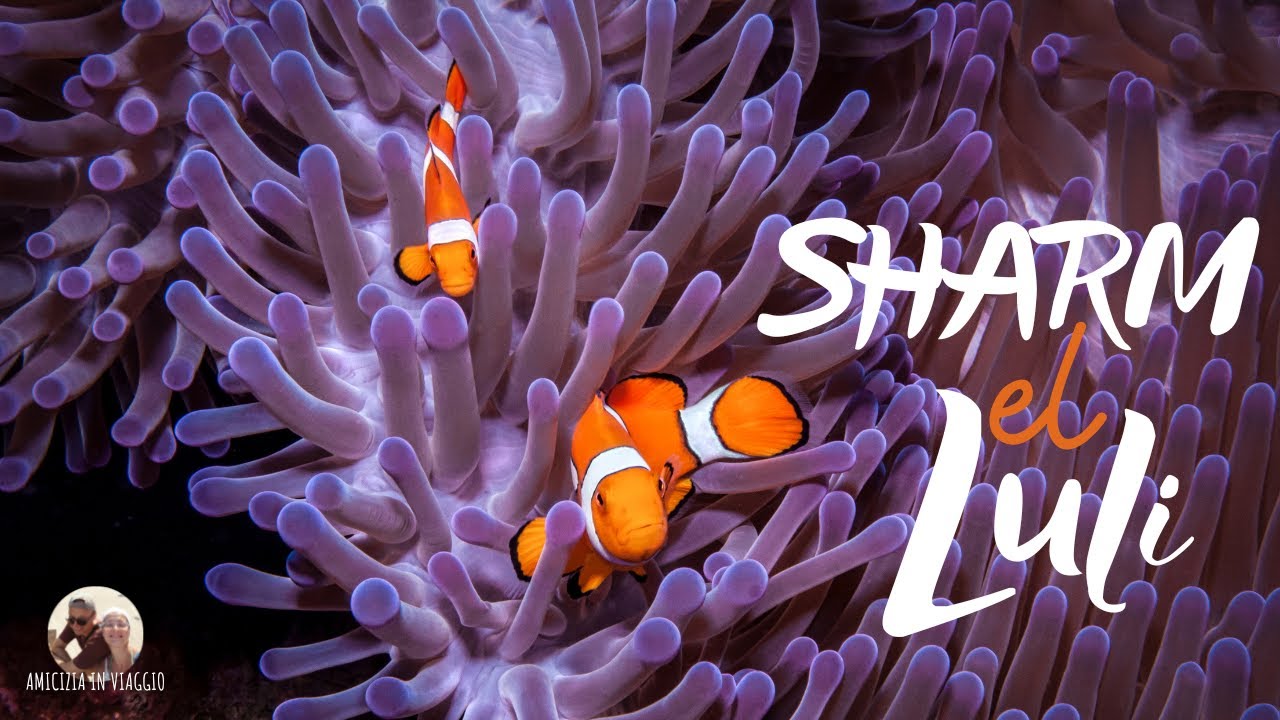
10.12.2022 – 12m 43s – 253+ likes – 9K+ views
SO WHAT’S IT REALLY LIKE ?
Arriving at Ras Hankorab, you’ll find a stretch of long mostly pancake flat sandy beach with a few rocky outcrops and a shallow sandy bottomed stretch of water, flanked by coral reefs. At low tide (and the tidal range here is limited) it’s a perfect lagoon and it’s easy to wade in thanks to the gentle gradient of the sea bottom which eventually leads out to deeper waters with a maximum depth of 20 metres to the shore side of the reefs.
The beach (referring specifically to Ras Hankorab 24.56N, 35.16E) unusually runs east west with the small headland of the same name to its immediate north sheltering it slightly from the prevailing winds. It’s important to stress slightly because, while there is a stunning mountainous backdrop inland to the east, the immediate surroundings are (the occasional mound of stones or boulders excepted) extremely flat.
However the headland and the surrounding reef, which is widest near the open sea at the eastern flank, do ensure that the lagoon is usually calm and most visitors comment on the crystal clear waters and the different colours – the contrast so striking that it can easily be seen from Space. If you don’t believe that just take a glance at the satellite image at the page bottom.
However, underwater visibility is not always perfect due to the sandy bottom which can be stirred up on windy days or sometimes in busy periods, by too many divers or snorkelers on or near the sea bed.
But despite its’ increasing popularity, the area is totally undeveloped – no hotels, no restaurants, no shops, no bars, no toilets, no fixtures of any sort – which in part is the main attraction.
Thankfully regulations on construction are strict here as the beach as well as the surrounding desert and coastline lie inside the Wadi El Gemal (“Valley of the Camels”) National Park – which also means that it’s a great location for enjoying the protected virgin reefs and exotic marine life.

20.10.2018 – 2m 40s – 650+ likes – 130K+ views
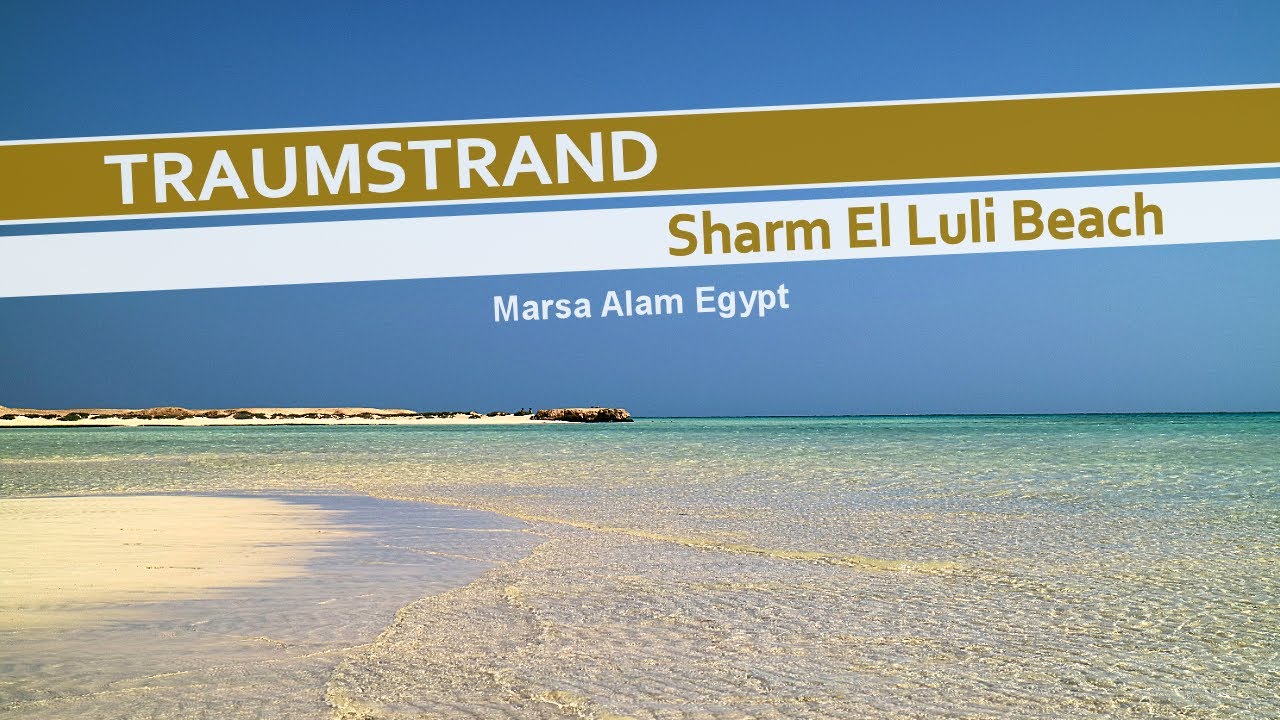
07.11.2018 – 3m 30s – 61+ likes – 14K+ views
AND WHAT’S THE SEA LIFE LIKE ?
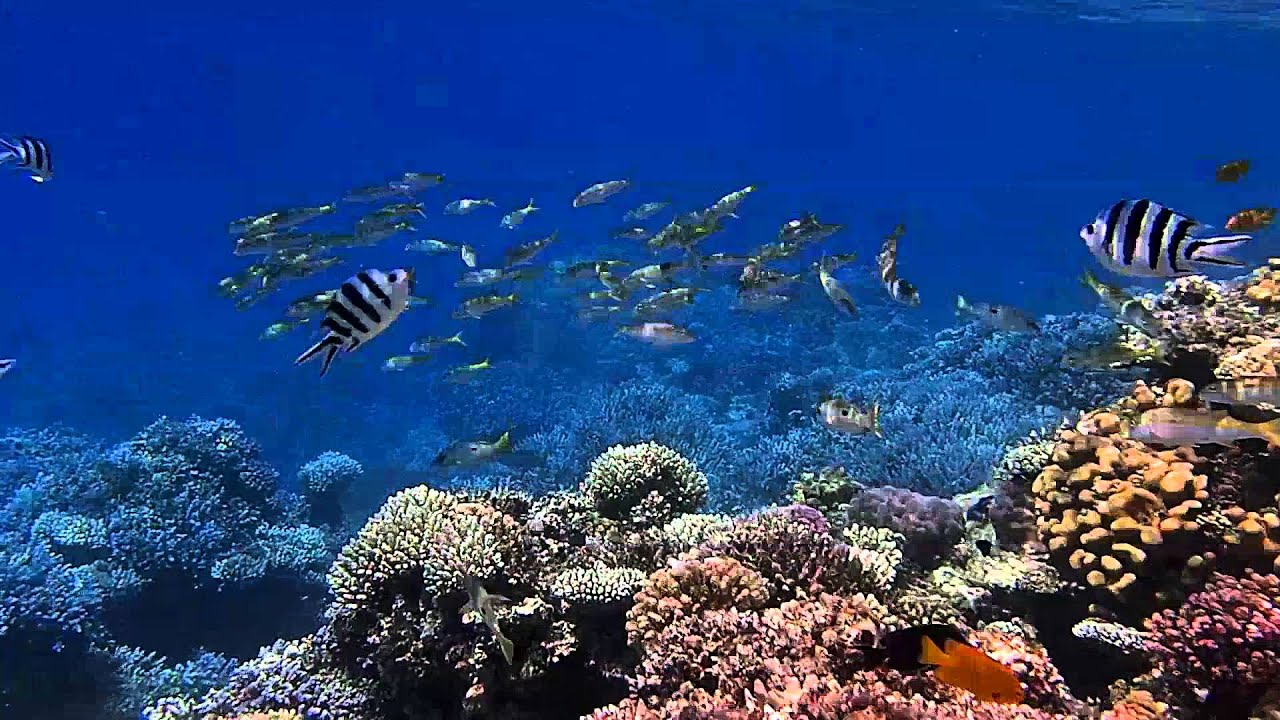
There is an impressive – aquarium-like – to use brochure speak – diversity of fish as well as many different types of colourful coral.
If you spend time snorkeling you can marvel at the quick darting movements of the butterfly fish, the slower skulking behaviour of solitary groupers or puffer fish, the exotic coloured Napoleons and the bright orange clownfish, made famous by the film “Finding Nemo”, usually hiding among anemone tentacles.
Perhaps most beloved and remembered by visitors are the sightings of the photogenic sea turtles that come to feed on either the corals or the extensive sea-grass meadow in the lagoon area.

10.01.2018 – 4m 30s – 75+ likes – 13K+ views.
HOME OF THE ENDANGERED HAWKSBILL TURTLE
A study by the local conservation group HEPCA of Red Sea turtles in southern Egypt revealed that almost half of all identified hawksbill turtles in the region were spotted at Sharm El Luli and that furthermore two thirds of all sea turtle sightings were made within the surrounding Wadi El Gemal area. So if you are a turtle lover, Sharm El Luli, definitely merits a visit.
However, do not be persuaded by salesmen that you are guaranteed to see turtles or dugong sea cows or other rare marine species. As always with wild creatures, especially those whose status is considered vulnerable to extinction – it is always a matter of luck.
The sad news is that the World Conservation Union now consider the hawksbill turtle critically endangered. Its’ beautiful shell has made it the target of poachers world wide and its’ range of available nesting sites reduced as more and more resorts have spread out along the coast.
But miraculously, at Sharm El Luli, probably due to the relative protection of the surrounding National Park, your chances of seeing sea turtles, including the hawksbill, are usually good – perhaps fifty fifty or greater.
You can distinguish the hawksbill from other sea turtles by its’ elongated head that ends with a pronounced and slightly hooked beak-like mouth (hence its’ name). They are large creatures (typically weighing around 80kg) and have a long life span of up to fifty years.
You are most likely to see them around the reef area while turtles you see feeding on the sea-grass are more likely to be the green turtles, equally photogenic, equally large and also with large flipper like limbs, although without the hawksbill’s distinctive claws.
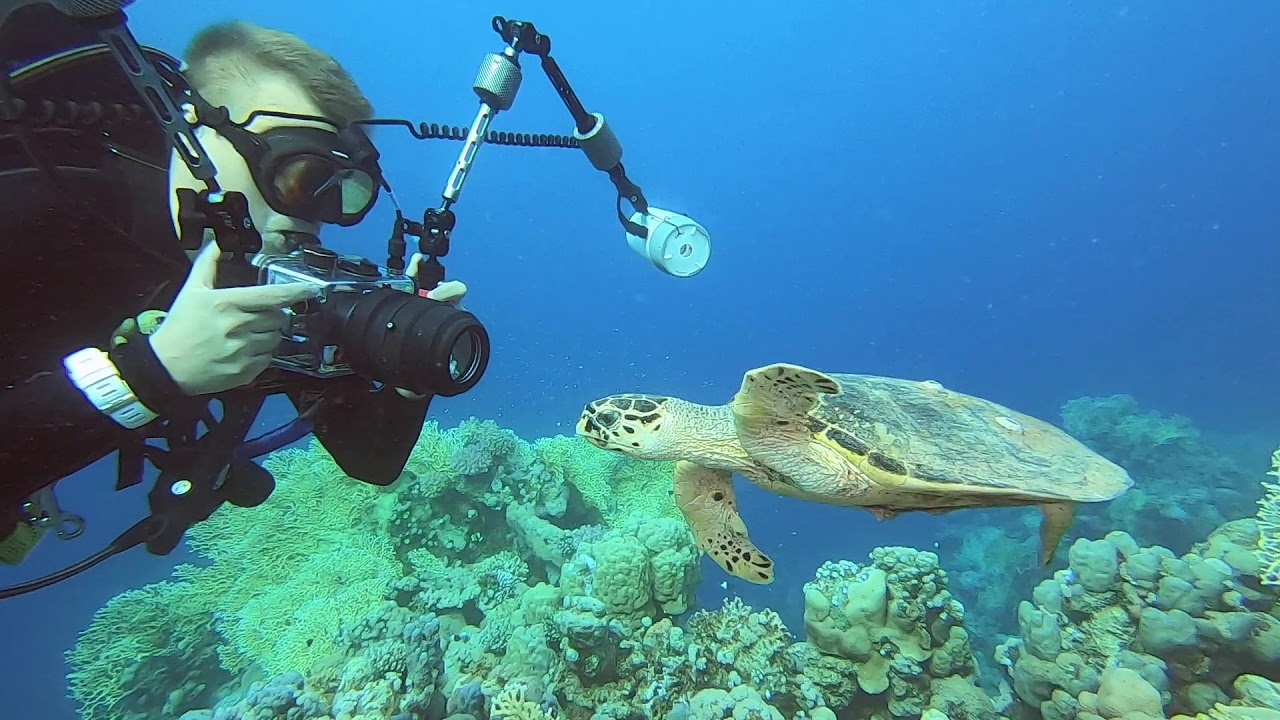
17.10.2019 – 1m 24s – 5+ likes – 400+ views.

23.02.2024 – 4m 9s – 189+ likes – 17K+ views
HALF DAY AND FULL DAY EXCURSIONS
Local agent Steven, who’s excursion and taxi company, at the time of writing (03.02.2026), is ranked #1 of 354 on Tripadvisor for outdoor activities (including not just day trips but also taxi services, cultural tours, boat tours, private tours and day trips) offers a half day excursion, starting at only 35 euros (or £30) per person, depending on the location of your hotel and the number of people in your party.
It includes a private air conditioned taxi pick up from your hotel at 8am, after an early breakfast, as well as all your snorkelling equipment and watermelon, biscuits and soft drinks and then a return to your hotel at about 1pm in time for lunch. It also includes the cost of the national park ticket and a sun umbrella or parasol.
However, nature lovers might prefer a full day excursion with prices starting at just 69 euros (£59) per person, again depending on the location of your hotel and the number of people in your party. It includes the cost of your private air conditioned taxi pick up and return to your hotel at around 6 pm, as well as your snorkelling equipment, a full lunch and soft drinks, the cost of the national park ticket and a sun umbrella or parasol.
To book or for more information please email steven@marsaalam.com or contact him via WhatsApp on +20 102 999 9978 or by phone on +20 128 433 2337.
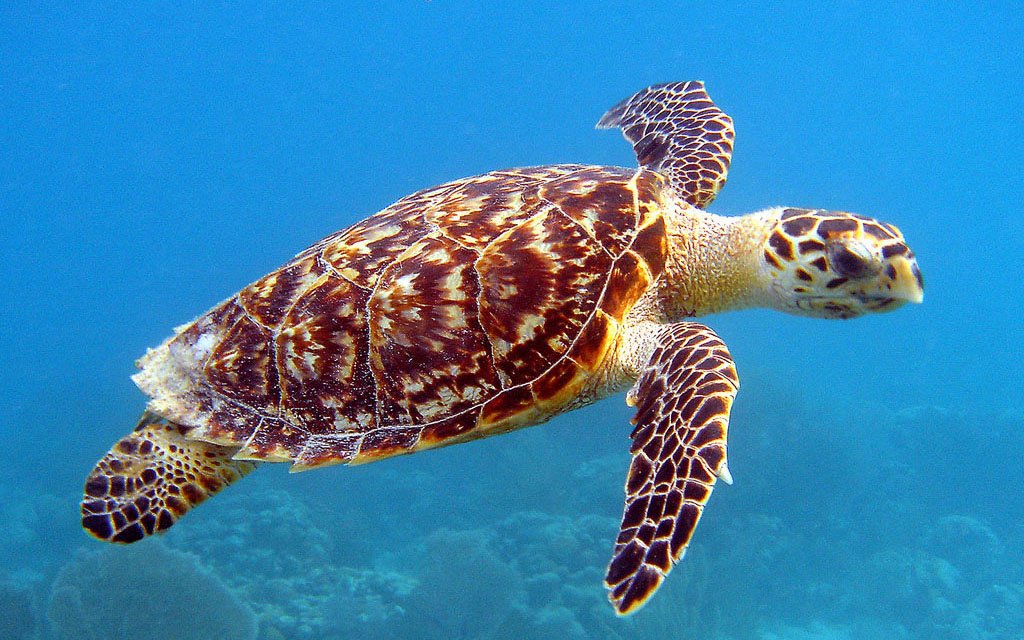
NOAA – public domain – via Wikimedia.
WILL THE BEACH BE BUSY ?
Sharm El Luli is usually a lot quieter than Marsa Alam’s other famous beach at Abu Dabbab, but it does depend on the season, the time you go and luck. Sometimes you might find you have the entire beach to yourself
“I was lucky enough to enjoy the beach three times in a week in complete solitude” remarked Debora from Italy on Tripadvisor.
( 27 December 2012 ).
More recently an Egyptian traveller from Port Said seemed impressed
“This is a virgin piece of earth (protectorate) where there is no noise and no pollution and no human impact so far.”
( AMohsen – Tripadvisor 28.01.21 )
and similarly another tourist recalled –
“A beautiful silences, only the wind and the waves.”
( Elisa – Tripadvisor 1 October 2012 ).
But then a visitor who went there in the peak summer season commented
“In the afternoon we were 24, in the morning the boys diving have counted 180.”
( Adriano – Tripadvisor 20.07.12 ).
Although a more recent French family, also visiting in July, seemed to think it was busier in the afternoon, advising readers to “avoid going between 12:00 and 15:00 rush hour!” Though they were happy enough with the beach describing it as “superb,” “magnificent” and an “Egyptian Maldives.”
( Bratzofamilly – Tripadvisor 25.07.24 )
Unfortunately there is no reliable rule as to whether morning or afternoon will be busier but it is a large beach so there’s plenty of space especially if you don’t stop as soon as you arrive on the beach, where it’s most likely to get busy, but walk a little further along.
16.03.24 – 10s – 17+ likes – 500+ views

Nov 2012 – 4m 41s – 24+ likes – 10K+ views.

Mar 2017 – 23 secs – 11+ likes – 2,400+ views.
TEN THINGS TO BRING WITH YOU
1. Sun cream, sun glasses and a hat because the sun can be relentless. Sharm El Luli really is in Egypt’s Deep South, and just one degree from the Tropic of Cancer – currently at approximately 23’30 North. The sun is unforgiving in summer and you can get burned even in mid-winter !
2. Sensible clothing that will keep you protected from the sun including, if your are vulnerable to sun burn, a t-shirt for snorkelling. Also bring some sensible shoes for walking so that you don’t cut your feet on the occasional sharp rocks.
3. Bring a mat or rug for the sand or even some large extra towels – as there are no sun beds or deck chairs on the beach.
4. Bring plenty of soft drinks and some large bottles of drinking water. If you don’t need any, there probably be someone else who will. A cooler bag if you have one would be great – or if not you can ask the hotel kitchen in the morning if they can give you some ice in a water proof bag to store the drinks. ( If you are visiting with Steven’s excursions some soft drinks are usually included – please check for excursion details with steven@marsaalam.com)
5. It’s difficult to find any sunshade available so, if you must have shade, ask if your guide can bring a beach umbrella. (A sun umbrella/parasol is normally provided by Steven’s excursions – please check for excursion details with steven@marsaalam.com)
6. Bring toilet paper – there are no toilets !
7. Don’t forget your snorkelling equipment (if your guide isn’t bringing any -if you are going with Steven’s excursions this is normally provided for you – please check all excursion details with steven@marsaalam.com) as well as swimwear and a towel.
8. An underwater camera will be great but any sort of camera – even if your mobile phone one is a great asses – If you want a new profile photo on Facebook – your portrait against the crystal clear blue waters of Sharm El Luli will really stand out.
9. Bring a little money as although there are no shops at Sharm El Luli, there are some Bedouin women who sell traditional jewellery, including beads and necklaces. It’s difficult to say what they’re worth – but with tourist numbers currently very low – it’s good to be generous.
10. Don’t forget to take everything you’ll need to keep the children happy – there are no facilities and no kids club or other entertainments in the area.
Jan 2016 – 4.04 mins – 31+ likes – 5,500+ views.

Feb 2018 – 1.02 mins – 12+ likes – 420+ views.

Jun 2019 – 1.10 mins – 3+ likes – 830+ views.
OTHER IMPORTANT TIPS
1. Try to find the time to spend at least three hours to make the journey worth while.
2. Take time to stroll along the beach if you want to fully enjoy this great natural wonder.
3. Remember that some of the reefs are far from the shore and you can wade out a long way – so do keep an eye on how far you are from the shore line.
4. If you are not a very strong swimmer it’s probably best to use a life jacket when snorkeling to minimize any possible risk.
5. Avoid going to Sharm El Luli on windy days – the sea will be choppy, underwater visibility will be poor, there will be a lot of sand in the air and it will be almost impossible to enjoy the beach.

Aug 2016 – 3.09 mins – 6+ likes – 250+ views.
ENVIRONMENTAL CODE
1. Don’t touch any marine life, especially turtles. While some sea turtles might seem oblivious to the presence of divers and snorkelers, others may be less used to being in the company of humans and might become stressed. This is particularly important during the summer turtle nesting season.
2. Also some marine creatures are dangerous to touch such as stone and lion fish.
3. If you see any plastic cups, bags or bottles left on the beach please collect them. Plastic is easily ingested by marine animals and birds with fatal consequences.
4. Remember it is illegal to fish at Sharm El Luli as it is located within a National Park.
5. Take care with your flippers near the sea bed as to not disturb the sand. It doesn’t just annoy others but too much sand in the water can damage the sea grass on which much marine life including green turtles and dugongs depend.
6. You might see fossils in the rocks but please do not remove them or anything else from the beach.
A PRECIOUS BUT ENDANGERED HABITAT
Please read our update on the threatened 2025 development further down this page.
One of the Red Sea’s leading NGOs, HEPCA (Hurghada Environmental Protection and Conservation Association) pointed out, as long ago as 2012, both the unique abundance of particular marine species at Sharm El Luli and also its endangered status due to the pressures of tourism.
“When you spot a group of Eagle rays and 2 juvenile hawksbill turtles at the beginning of your dive, you immediately realize you are in a special place.”
The article went on to describe how its survey team had reported a particularly high degree of coral diversity in the bay with some fish and coral species observed that had never been seen elsewhere in the entire study area.
“The orange =face butterfly fish, for example…. was never recorded in any of the 30+ detailed and 200 quick surveys conducted in the south,” adding that although this uniquely important habitat and “natural paradise” was situated within the Wadi El Gemal national park, it was “still not protected from tourism development.”
HEPCA called on everyone, including locals and tourists, to help them monitor the situation and to share responsibility for the entire Red Sea environment, including Sharm El Luli’s sustainable safekeeping.

01.07.2023 – 19m 29s – 29+ likes- 600+ views

Photo: Gigi Ibrahim – CC BY 2.0 – via Flickr.

19.06.2021 – 54s – 1+ likes – 23+ views
TRIPADVISOR & OTHER REVIEWS
There are so many positive comments, that reading them can become repetitive. I challenge anyone to find five reviews in a row, none of which use any of the following words or phrases – “paradise”, “Maldives”, “Caribbean”, “aquarium”, “Pacific atolls”, “magical”, “sand like talcum powder” or “pristine.” Perhaps no exaggeration as Britain’s top selling tabloid, the Daily Mirror, rated Sharm El Luli as one of the top 25 beaches worldwide, ranking it 19th, while not even one beach on the Maldives made the list.
“Stunning!….. The best beach in Marsa Alam. Share tea and coffee with the local Bedouins. You won’t be disappointed No shops here but there are toilets and sun loungers.” (Louli26 – 17.11.25)
“Beautiful beach, white and with sea that descends slowly to the reef… which is rich and colourful, full of fish and suitable for everyone even for less experienced swimmers. Must-see for those going to Marsa Alam.”
( Lisa P – 09.09.24 – translation from Italian )
“The Caribbean of Egypt. A corner of paradise where you find yourself catapulted into a Caribbean sea… and an enchanting beach… with a dream coral reef. Visited and enjoyed on a day trip from the resort where I stayed. Absolutely worth seeing”
( Lucia R – 10.06.24 – translation from Italian )
“I don’t know if this beach is rated, but it must be in the top ten in the Middle East, and number one for the Red Sea. Incredible.”
( Ebraheem Tancredi – 28.05.24 )
“Stunning Caribbean beach, I recommend going there without a guide though because the reef is close and easy to explore, honestly it’s a waste of money! Just book a transfer and enjoy the place which is gorgeous!”
( Russostefanua1975 – 07.05.24 – translation from Italian )
“A beautiful beach with white sand and the sea playing all shades of turquoise, schools of fish on a coral reef. Too bad we only had two hours to enjoy this magical place.”
( Jana S. – 08.05.24 – translation from Czech)
“Best beach for snorkelling”
( Lonely Planet Egypt May 2022 )
“This is a virgin piece of earth (protectorate) where there is no noise and no pollution and no human impact so far. It is one of the best beaches for snorkelling and diving….”
( AMohsen Port Said Jan 2021 )
“The beach is very beautiful and the snorkelling is amazing. The corals and fishes are beautiful and astonishing. You have to have a guide to show you the places of the corals and fishes… It is a must place to visit.”
( Mariam Jan 2021 )
“We spent a great day in Sharm el Luli. The beach was very clean, nice, silent. The sea is prefect. If u wanna go diving here, u ll find a wonderful underwater life.”
(Anyta841 Hungary Jun 2019)
“In the middle of the Wadi Gimal protectorate…. lies a pristine sand beach with azure water and excellent coral and fish viewing. Because it is located inside a national park Sharm El Luli has no development at all – no restaurants, hotels and shops and no facilities.”
(Lonely Planet Egypt July 2018)
“One of the best free beaches I’ve ever swam in, I hope it stays like this forever. Must go see it, it is worth everything.”
(Maha H. Egypt Jul 2018)
“With an amazing mixture of beautiful landscape, sandy beaches and high coral diversity, Ras Hankorab (Sharm El Luli) is one of the most prestigious diving sites along the southern coast of the Egyptian Red Sea.”
( HEPCA 04.04.2012 )
Jul 2019 – 2.08 mins – 32+ likes – 2,900+ views.

Apr 2014 – 4m 6s – 102+ likes – 25K+ views.
06.08.24 – 3m 31s – 5+ likes 1K+ views

Mar 2017 – 28s – 28+ likes – 6K+ views.
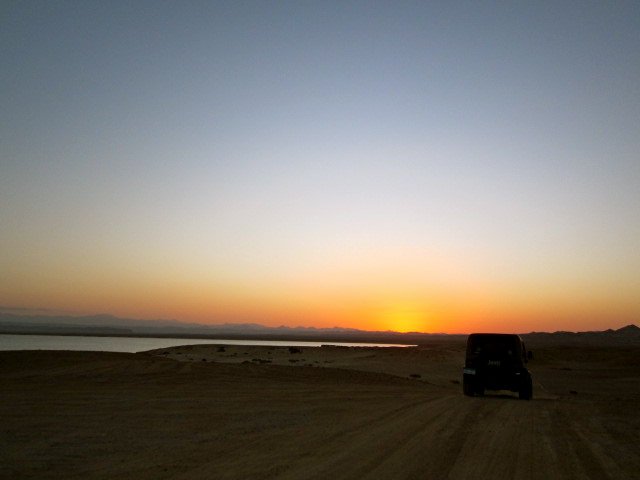
Gigi Ibrahim – CC BY 2.0 – via Flickr
WHOSE PARADISE?
THE BATTLE FOR RAS HANKORAB
Ras Hankorab Beach is one of the crown jewels of Egypt’s Wadi El Gemal National Park, sheltering one of the nation’s few remaining near pristine marine habitats. But despite its protected status, a section of the beach was recently fenced off for development—an action that has alarmed conservationists and local residents alike.
Why it’s an Ecological Crown Jewel?
The Ras Hankorab-Sharm El Luli coastline is ranked globally as a habitat of exceptional biodiversity. Its fragile ecosystem supports sea turtles at risk of extinction, coral reefs, mangrove trees, sea grasses, dugongs, dolphins and many rare species of fish (News9 Report). According to Professor Omar Tammam, an expert on Egypt’s natural reserves, Ras Hankorab beach also includes rare coral species. Incredibly, some might be over seven thousand years old but could now easily be threatened by disease, theft or other stresses, as elsewhere at Sharm El Sheikh and across the Red Sea (Zawia3).
Although vulnerable to tourism pressure and pollution, the coral reefs at Ras Hankorab, Sharm El Luli and elsewhere in the northern Red Sea are notable for their surprising ability to cope with climate change and there is hope that research on the coral could help revive more vulnerable reefs elsewhere, which are crucial to the survival of thousands of fish species. As Professor Mahmoud Hassan Hanafy of Suez University explained at COP27, they are crucial to any optimistic outlook for the planet and providing they can escape the stresses placed on them by tourism development, they could be ‘among the last remaining in the world’, providing ‘hope for humanity that a unique ecosystem like this remains alive (M. Rizk 2022).’
At the same time, the mangroves and sea grasses at Ras Hankorab and Sharm El Luli act as important carbon sinks, absorbing and storing carbon dioxide from the atmosphere, helping to reduce greenhouse gas levels and thereby mitigating climate change. A scientific study conducted in 2012 showed that the coastline here had a particularly high degree of coral diversity and included some fish species never seen elsewhere in the entire study area, such as the orangeface butterflyfish (Chaetodon larvatus) (HEPCA).
And Why is it Threatened?
In the last two decades, a surge in poorly regulated tourism as well as lax waste management have quietly taken their toll, putting this delicate ecosystem at both Ras Hankorab and Sharm El Luli under immense stress (HEPCA). The most recent and concerning threat, however, appears to involve plans for a tourism development.
As of April 2025 according to Reuters, a wooden fence now rings Ras Hankorab’s main beach, and images obtained by the news agency show a digger at work, allegedly part of a project to clear space for new chalet style huts, a seaside restaurant, a “farm” and various other tourist facilities such as changing rooms, restrooms, and a diving center.(Zawia3). One report suggests that the company involved has acquired an area of up to 10 kilometers inside the Wadi El Gemal National Park (Zawia3).
Conservationists warn that even limited construction here could destroy one of Egypt’s few remaining unspoiled marine sanctuaries (M. Ezz 15.04.2025). Locals, concerned tourists and activists are anxiously watching as these plans unfold, concerned about the future of this unique and environmentally crucial stretch of coastline.
A Timeline of Recent Developments
In November 2024, a group of individuals unlawfully took over Ras Hankorab Beach—part of the protected Wadi El Gemal National Park—and set up a residential tent in clear violation of Egypt’s environmental laws. The management of the Wadi El-Gemal Reserve responded swiftly, filing an official complaint that led to a court ruling on 1 December 2024. Each offender was fined 5,000 Egyptian pounds (about $100), and the court ordered all illegal structures to be removed (Zawia 3). However, concerns quickly resurfaced. By March 2025, reports emerged of large-scale excavation and construction work using heavy machinery to build tourist facilities—activities that conservationists warn could seriously disrupt the region’s ecological balance (ECESR).
On 11 March 2025, HEPCA (the Hurghada Environmental Protection and Conservation Association), a long established Egyptian NGO, published an article calling for a collective effort to protect Ras Hankorab (HEPCA). Shortly afterwards, on 17 March four Egyptian NGOs launched a Change.org petition to save Ras Hankorab declaring that “plans to construct a private hotel within Wadi El-Gemal National Park” endangered ” not only the fragile ecosystem but also the rights of Egyptians to access their own natural heritage.” As of 20 May 2025, it had gained over 6,300 signatures.
On 20 March, Samira Al-Gazzar MP, a member of the Planning and Budget Committee of Egypt’s House of Representatives submitted an urgent statement to the Speaker. Al-Gazzar condemned the current construction activity, saying it amounted to creating a fait accompli on the ground in clear defiance of Egyptian environmental laws. She described the situation as a serious case of corruption and a direct challenge to the authority of the state and its constitution, which includes key protections for nature reserves. She also questioned why local and national authorities—such as the Red Sea Governorate, the Environmental Police, and the Ministry of Environment—had not stepped in to stop the violations (Zawia3).
On 22 March, the legal counsel of the Egyptian Center for Economic and Social Rights (ECESR) filed a complaint with the Public Prosecutor requesting an investigation into ongoing encroachments. Two days later on 24 March 2025 the same NGO submitted further complaints to the Prime Minister’s Office, Ministry of Environment, and the Red Sea Governorate , urging urgent action to address reports of encroachments and halt any form of illegal development (ECESR).
Quotations
RIVALS SHARM EL LULI?
Al Nayzak (Meteor) Beach
If you choose the right time you can find Al Nayzak quiet or even deserted. It doesn’t have the beautiful Maldives like sandy beach of Sharm El Luli, but it is an absolutely spectacular setting for a swim or cool off. In Arabic the name means “shooting star” and this is a place, hidden off the coastal road, where a meteor is said to have gauged out a deep crevice, several metres wide, in the rock which is now filled, partially emptied and refilled again daily by the tidal seawater. Geologists have reportedly found no evidence for the meteorite claims, but it remains undoubtfully one of the most dramatic and impressive natural swimming pools anywhere.
If your hotel is north of the town of Marsa Alam, you won’t have to drive such a long distance, as it’s located just eight kilometres (rather than sixty) south of the town. Egypt’s Ministry of Tourism describes Al Nayzak aptly as “a secret paradise hidden on earth,” and it’s certainly worth checking out the following breathtaking drone photos, one here on Instagram (2K+ likes) and another three reproduced in this Arabic CNN article.
The only downside (which is also the reason people love the place) is that there are absolutely no amenities (not a single cafe or shop) nor is it accessible by ordinary vehicles, except possibly by a local four wheel drive vehicle, but you should check with your driver if that is currently allowed. However, it’s certainly one of the best places in Marsa Alam for sun bathing, rock jumping (but only if experienced and with extreme caution), watching the sun rise or set and sheltered swimming in its turquoise waters.
Whether you want to arrange a quick visit or a morning, afternoon or entire day there, contact Steven on WhatsApp on +20 102 999 9978 or +20 128 433 2337 via email at steven@marsaalam.com

SHARM EL LULI – THE VIEW FROM SPACE
MINIMUM DEVELOPOMENT – MAXIMUM ATTRACTION
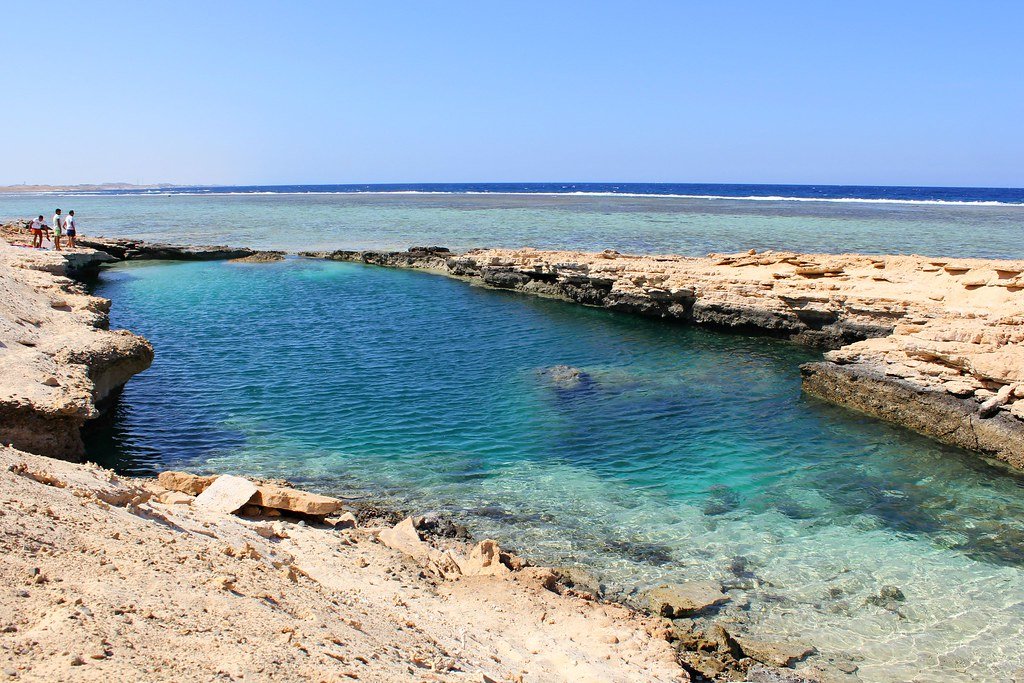
MORE PHOTOS OF SHARM EL LULI

(Ras Hankorab) –
Hossam El-Hamalawy – CC BY 2.0 – via Flickr

Gigi Ibrahim – CC BY 2.0 – via Flickr
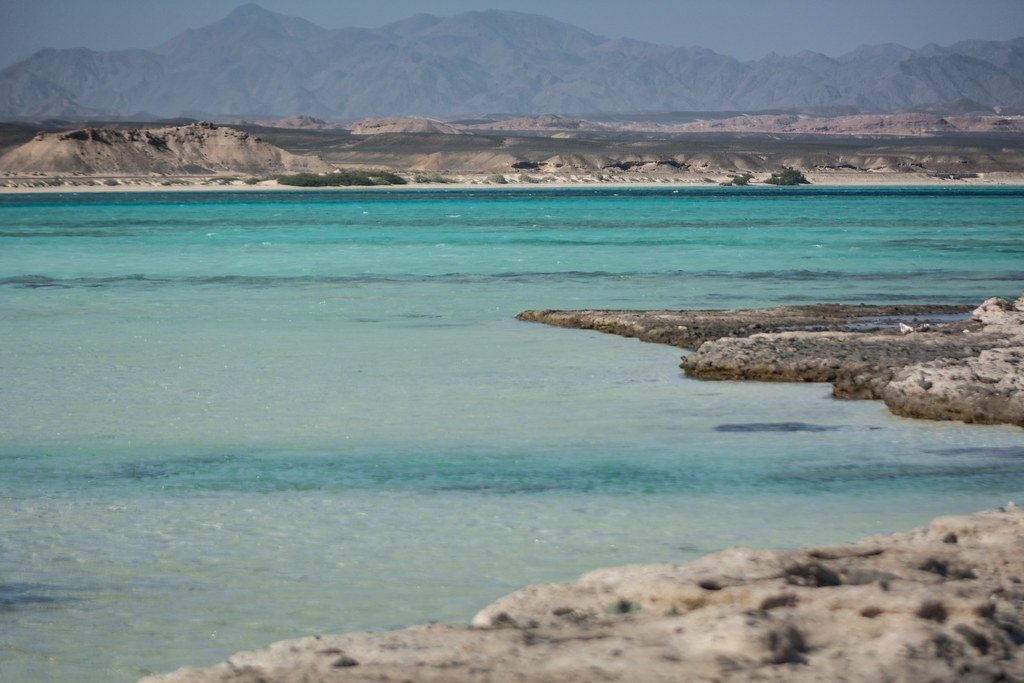
CharlesEi1 – CC BY-ND 2.0 – via Flickr
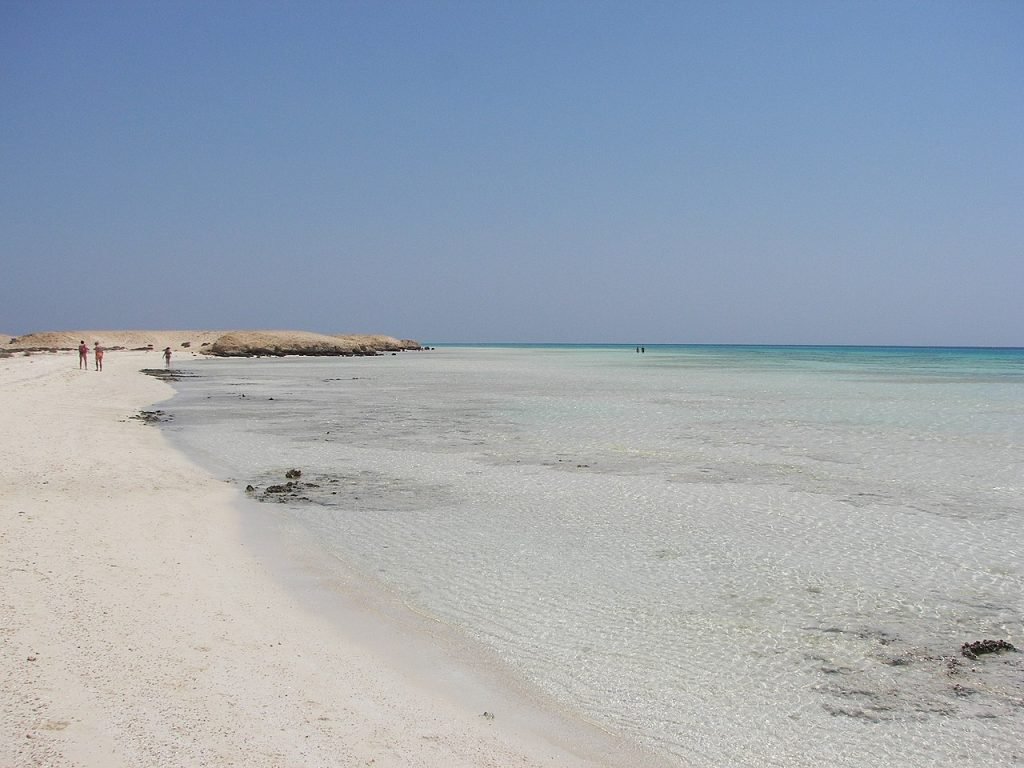
Gian Luca Bucci – CC BY 3.0 – via Wikimedia
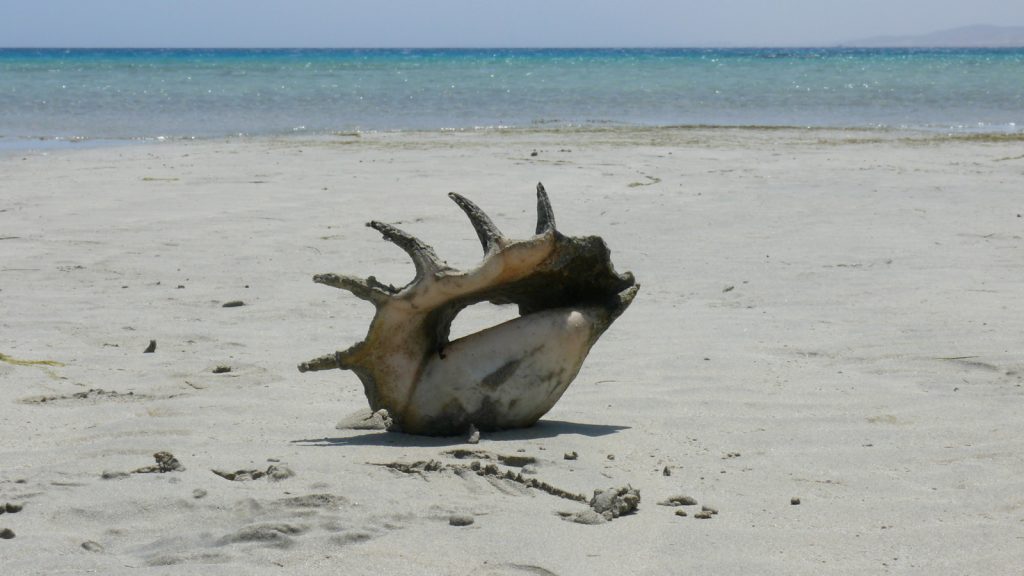
Mauro Cavallo – CC BY 3.0 – via Wikimedia

Mohammad Chawki – CC BY-SA 4.0 – via Wikimedia

CharlesEi1 – CC BY-ND 2.0 – via Flickr

Gigi Ibrahim – CC BY 2.0 – via Flickr