RED SEA FISH SPECIES
Incredibly cheap €8 Marsa Alam taxi transfer prices
To book a diving or fishing trip email steven@marsaalam.com or contact him via WhatsApp +20 102 999 9978.
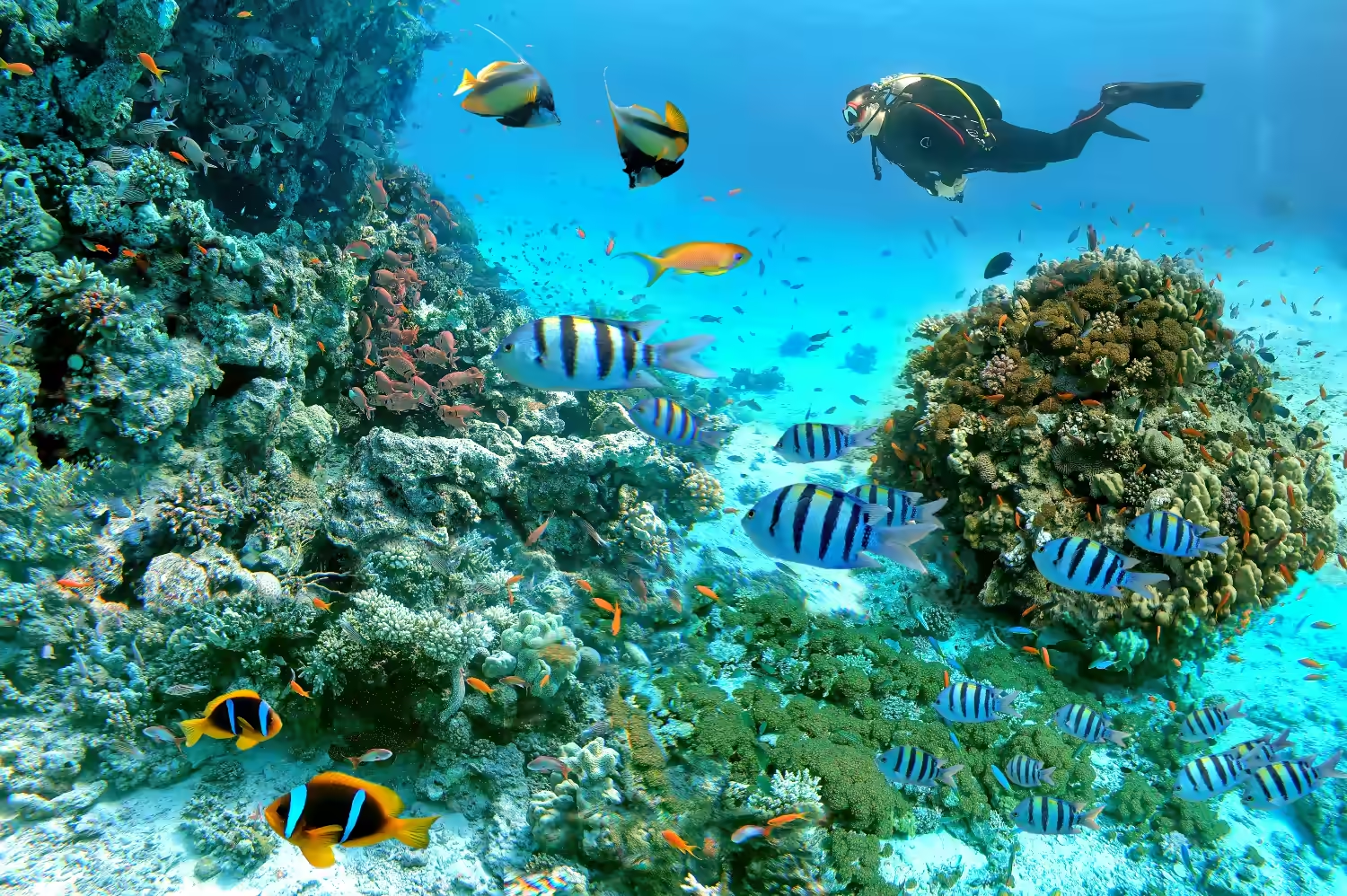
Photo credit: Branislavpudar/Shutterstock.com
Please check the page to verify any and all specifics.
There are 2,148 identified species of fish in the Red Sea, and that number continues to grow as diving and monitoring efforts increase. While most species are thriving, a few are listed as vulnerable or threatened. Uniquely, around 10 to 20 per cent of Red Sea fish species are found nowhere else on Earth.

22.11.2018 – 6m 28s – 263+ likes – 24,000+ views.
This remarkable but delicate biodiversity is largely due to the fringing reef, which runs for up to 2,000 km along Egypt’s coastline, as well as historically low population density along the shores and minimal commercial fishing. Most of Egypt’s commercial fishing occurs in the Mediterranean or the shallow waters of the Gulf of Suez, over 500 km north of Marsa Alam.
Ever wondered about fishing in these beautiful waters? Sometimes, when fish populations are thriving, responsible recreational fishing is possible. It’s all about protecting this incredible underwater world, so getting the right permissions and following local environmental guidelines is key. Done this way, it’s a wonderful way to connect with the sea without harming its delicate balance. If you’d like to explore this, our fishing excursions page has more details!”
The most important of these rules are

off Marsa Alam’s coast including a moray eel.
07.10.2018 – 9m 36s – 9.4K+ likes – 1.1 million+ views

somewhere on Egypt’s Red Sea coast.
05.03.2019 – 3m 23s – 1.4K+ likes – 68K+ views.
On this page you will find information on just a few of the many interesting Red Sea fish types you will find off Marsa Alam’s coastline.
Some might be more of interest for divers, especially for photography, as well as snorkelers – marked D – and some more for anglers (if they have permission) – marked A. However, if you are thinking of angling, please check with the authorities first in case any regulations might have changed since this was written.
ANTHIAS (D)
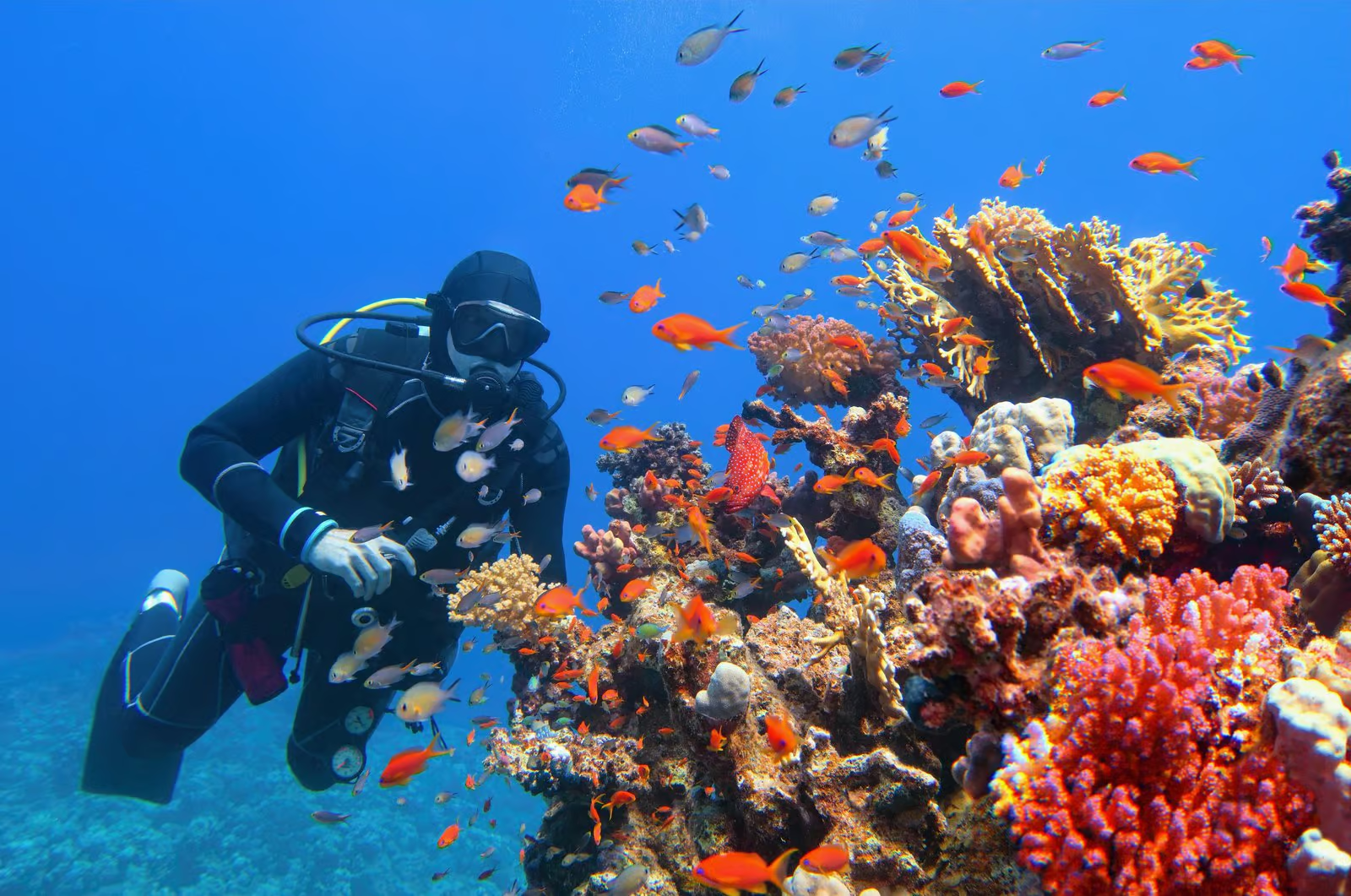
are true eye candy for divers.
Photo credit: Tunatura/Shutterstock.com
Anthias in the Red Sea are true eye candy for divers and photographers, lighting up coral reefs with vibrant oranges, pinks, and purples. These small, striking fish stick close to the reef, thriving in colorful clouds that pulse and swirl with the current. Their constant motion and dazzling colors create a mesmerising scene, especially in clear, sunlit waters.
Typically just 10 to 15 cm long, Anthias are a vital part of the reef ecosystem. They feed on drifting plankton and are often seen hovering in large, synchronized groups. This swarming behaviour helps them avoid predators and stay close to shelter. Their presence also attracts larger reef species, making them an important link in the food chain and a sign of a healthy reef.

18.03.2020 – 31s – 7+ likes – 233+ views
Anthias love overhangs, drop-offs, and crevices where they can quickly hide if threatened. Steep reef slopes, caves, and ledges are ideal habitats and great places for snorkelers and divers to spot them. The most common species in the Red Sea is the Lyretail Anthias (Pseudanthias squamipinnis), with males showing deep reddish-orange tones and females lighter shades.
BARRACUDA (D & A)
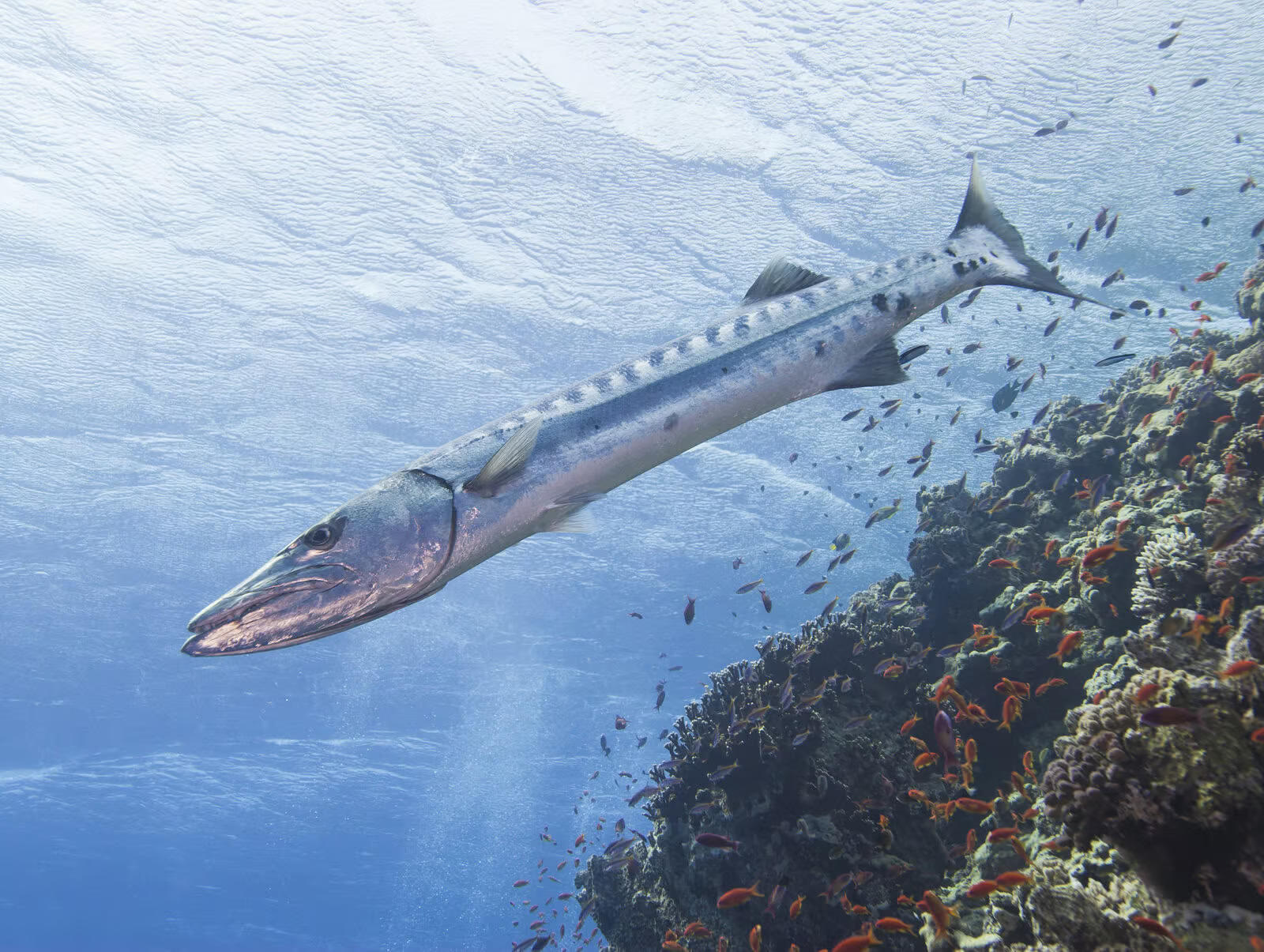
Photo credit: Paul Vinten/Shutterstock
Most visitors will be interested in the most famous of the barracuda species – the great or giant barracuda.
This is a large torpedo shaped predator fish, usually solitary, with a voracious appetite and piranha-like teeth. It hunts using cunning ambush tactics, pouncing on its’ prey with speeds of up to 44 km/h (27mph). And that’s not its only trick ! When gorged, these intelligent creatures sometimes act collectively to herd a school of fish in to shallow water, and stand guard until they are hungry enough to eat.
Young barracuda usually keep to the shallow bays, coastal reefs and nearshore areas but as they grow bigger they are more often found further offshore but still usually close to shipwrecks or island reefs.
When fully grown the Great Barracuda normally weighs 4 to 10kg but the largest specimen ever caught was 50kg and 2 metres ( six and a half feet) long. They not infrequently grow to 1.8 metres and can be easily recognized, not just by their elongated shape and size, but also by their powerful lower jaw which juts out beyond the upper to give the fish’s head a pike-like appearance.

25.10.2017 – 26s – 9+ likes – 1.7K+ views.

18.08.2016 – 2 mins – 5.1K+ likes – 1 million+ views.
They have an exaggerated reputation of being dangerous to divers and snorkelers but as with all marine life you should treat them with respect and take care not to provoke them and never touch or feed them.
It is true that rarely they might mistake divers following them as competitor predators and even turn and bite but such incidents are extremely unusual. The risk might be marginally greater if there is poor visibility or you are wearing very shiny reflective items that might mimic their prey.
When hooked on a line they are very fast initially, often leaping out of the water, but they do not usually have the stamina for a long fight. They have been caught using both bait (especially silvery bait like mackerel or small bonito) or lures, but their razor like teeth will often cut through any line if it’s not wire. The barracuda has excellent eyesight so avoid using a hook which is too large but, most importantly, you should be extremely careful when handling them.

06.062014 – 5m 57s – 910+ likes – 181K+ views.
BONITO (A)
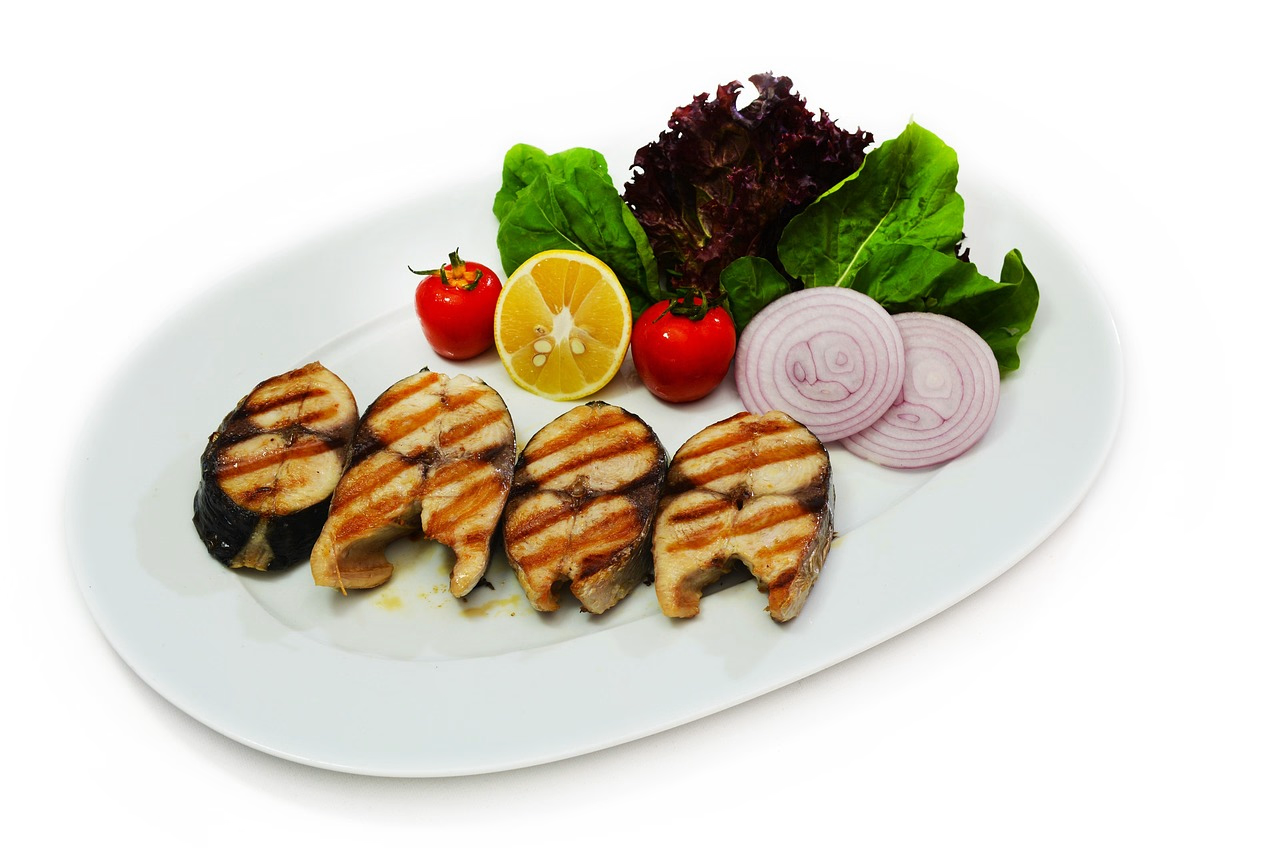
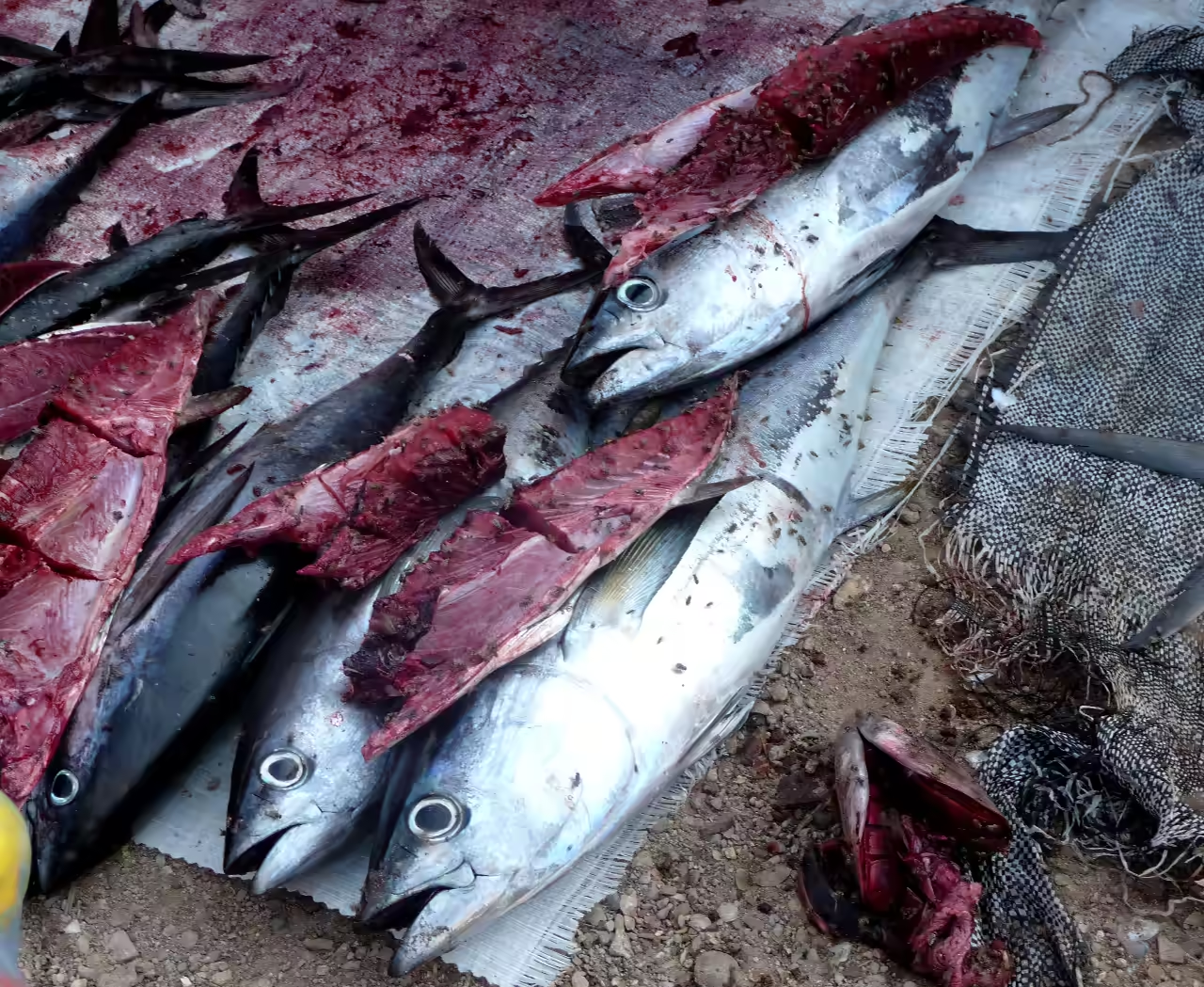
A medium sized predatory fish usually found either close to the shore or near island reefs. They are fast moving, swimming at up to 40 mph and prey on smaller fish and squid, usually near the surface. The striped bonito (which inhabits the Red Sea and Indian Ocean) is closely related to the Atlantic bonito as well as to the tuna and mackerel families. Larger specimens can often grow to around 75 cm (30 inches), occasionally to over a metre (40 inches). They have a lifespan of around six to eight years.
The bonito is a migratory species which lives in schools with a modest sized mouth, strong jaws and small but distinct teeth – and while a full grown adult can occasionally weigh close to 10 kg they normally weigh around two or three kilos.
Most anglers use trolling to catch bonito and because they usually surface to feed, it’s usual to keep the bait only just below the water line. A small hook is buried discreetly into the bait and a light line is used since a heavy one tends to reduce the number of bonito strikes.
It is a popular food in Egypt and across the Mediterranean – eaten grilled or baked and, because of its’ oily flesh, it also makes good bait for large predatory fish.
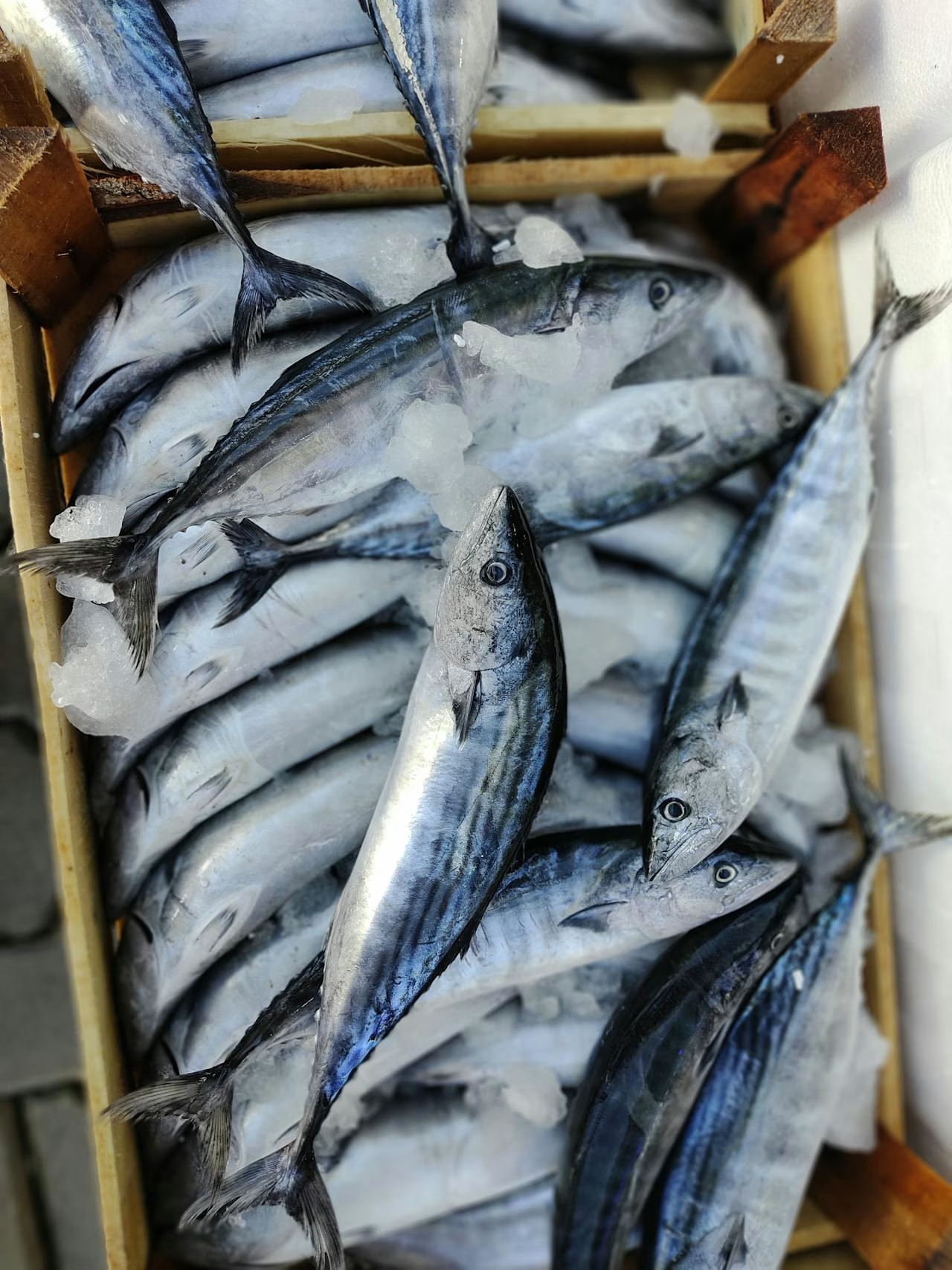
Photo credit: Savaş Baştürk via Pexels.
BUTTERFLYFISH (D)
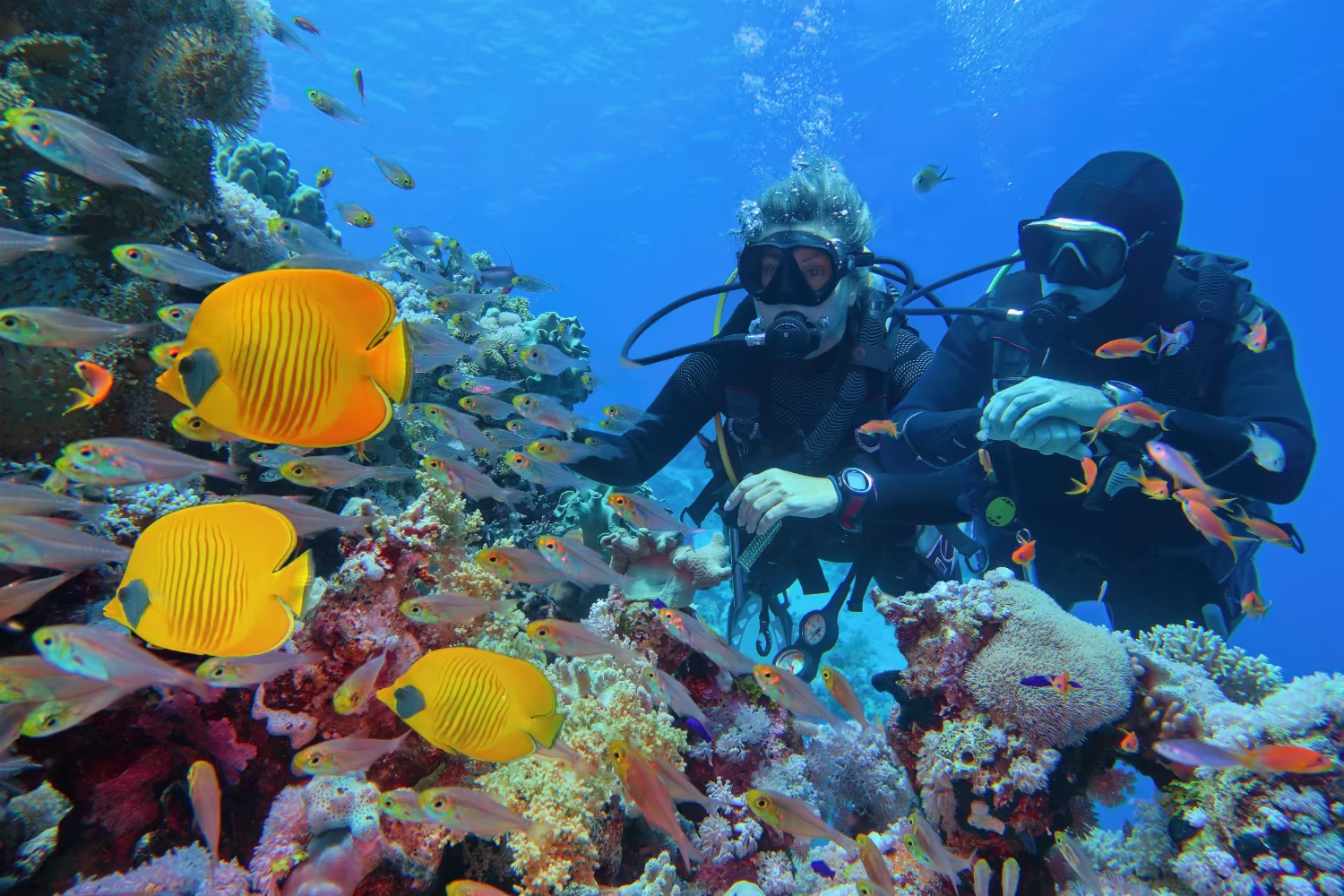
Photo credit: Tunatura/Shutterstock.com
With their flattened bodies, bold patterns, and vivid colours, butterfly fish are among the most eye-catching creatures you’re likely to see while diving or snorkeling. These tropical reef fish belong to a group of around 129 different species, and while global populations have suffered in some regions due to pollution and reef damage, the reefs near Marsa Alam remain a reliable place to encounter them.
Butterflyfish are diurnal, meaning they’re active during the day—and you’ll often see them flitting above the coral in quick, darting movements. This agile swimming style, combined with the sharp dorsal spines found on some species, helps them evade predators in the reef’s maze-like structure.
They’re small, usually between 10 and 15 cm in length (4 to 6 inches), though some species grow up to 20 cm, with the occasional large specimen reaching 30 cm. They come in a wide variety of shapes and patterns. Most are found near reefs at depths of less than 18 metres, where they feed by pecking at coral surfaces in search of worms, polyps, and other small invertebrates. Their diet can also include plankton and sea anemones.
Socially, their behaviour varies—some species form small schools, while others prefer a solitary life or pair up with a mate for life, forming long-term bonds that are rare among fish.
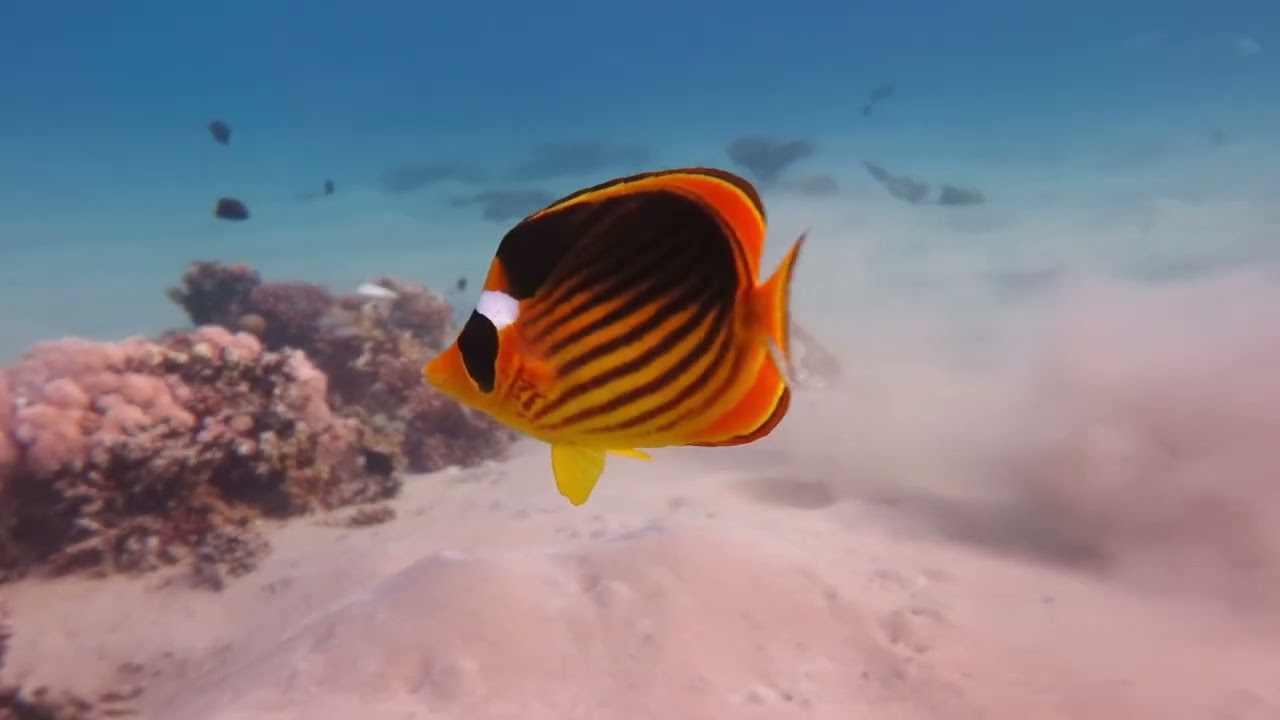
30.03.2022 – 7s – 2+ likes – 6K+ views.
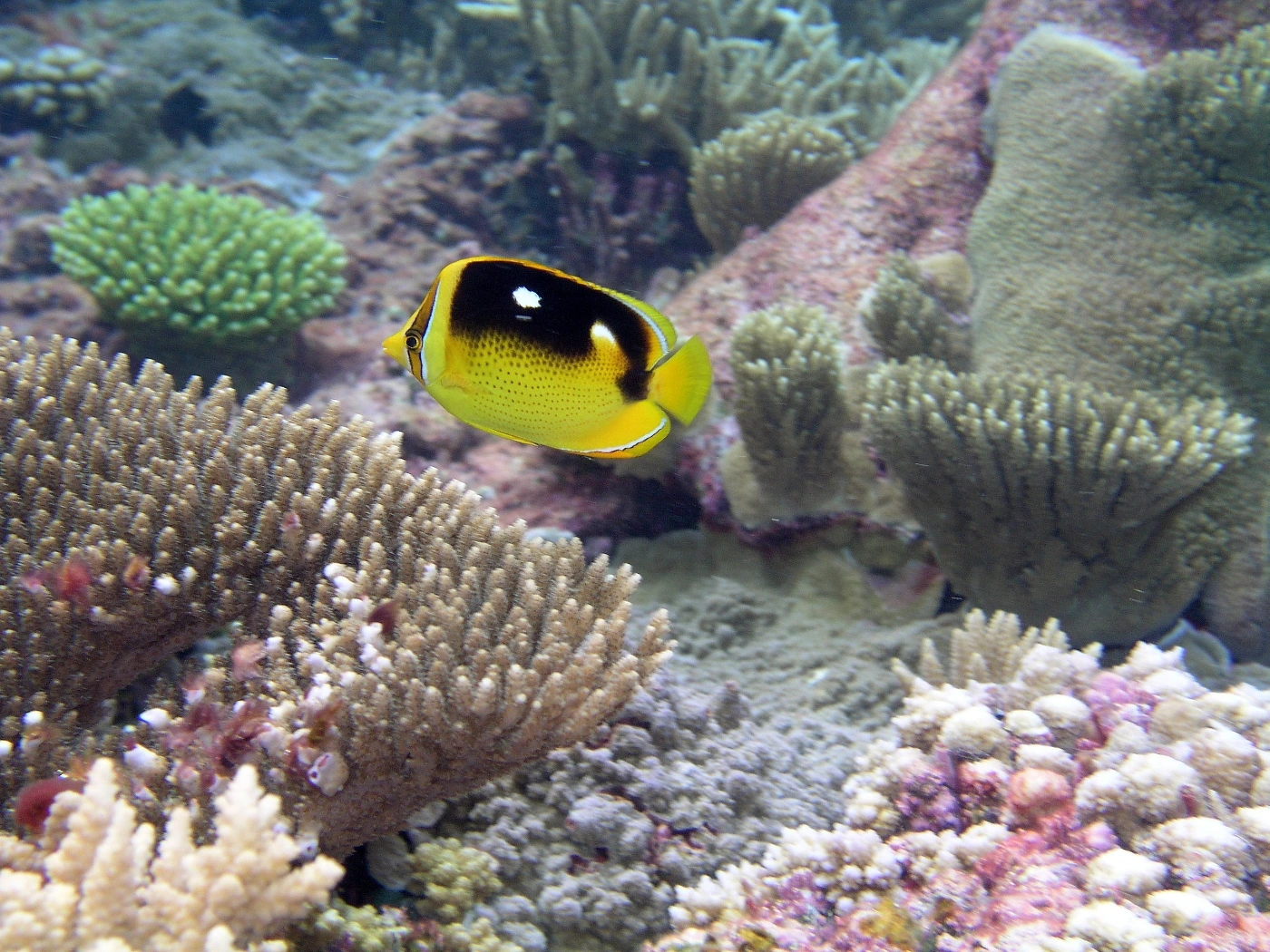
Photo – Public Domain – via Wikimedia.
CLOWNFISH (D)
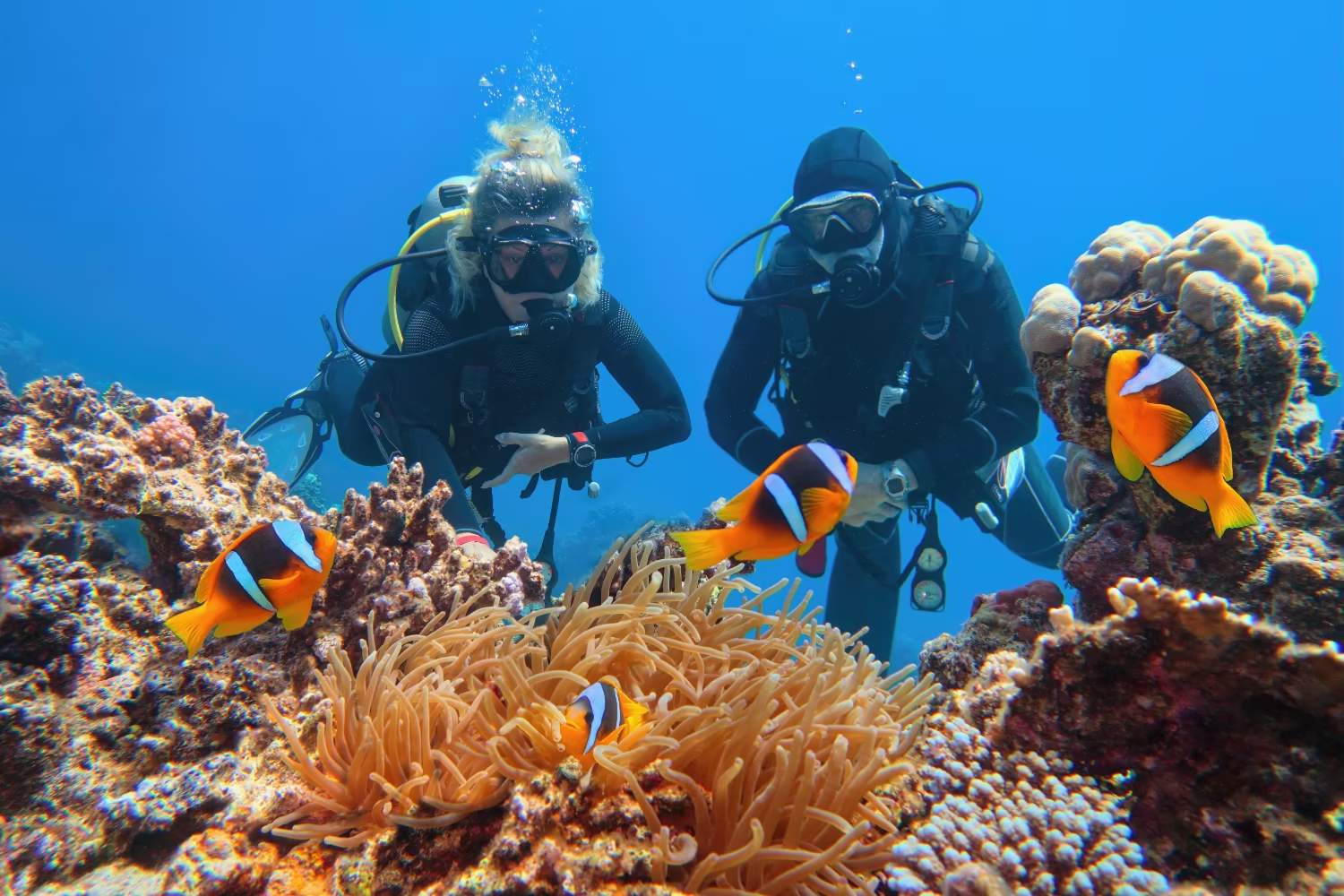
Photo credit: Tunatura/Shutterstock.com
Any of 28 species of a small fish subfamily, usually bright in colour with three distinctive white bars, who have at least a Hollywood claim to fame as two such fishes (father and abducted son) starred in the Walt Disney blockbuster “Finding Nemo” which went on to become the bestselling DVD of all time.
But the real life story of the clownfish holds even more surprises than the film. The most immediately noticeable is its’ bizarre symbiotic relationship with the highly poisonous jellyfish like animal – the sea anemone. The clownfish, because it is apparently the only fish immune from the anemone’s poisonous sting, can use the animal’s tentacles as protection.
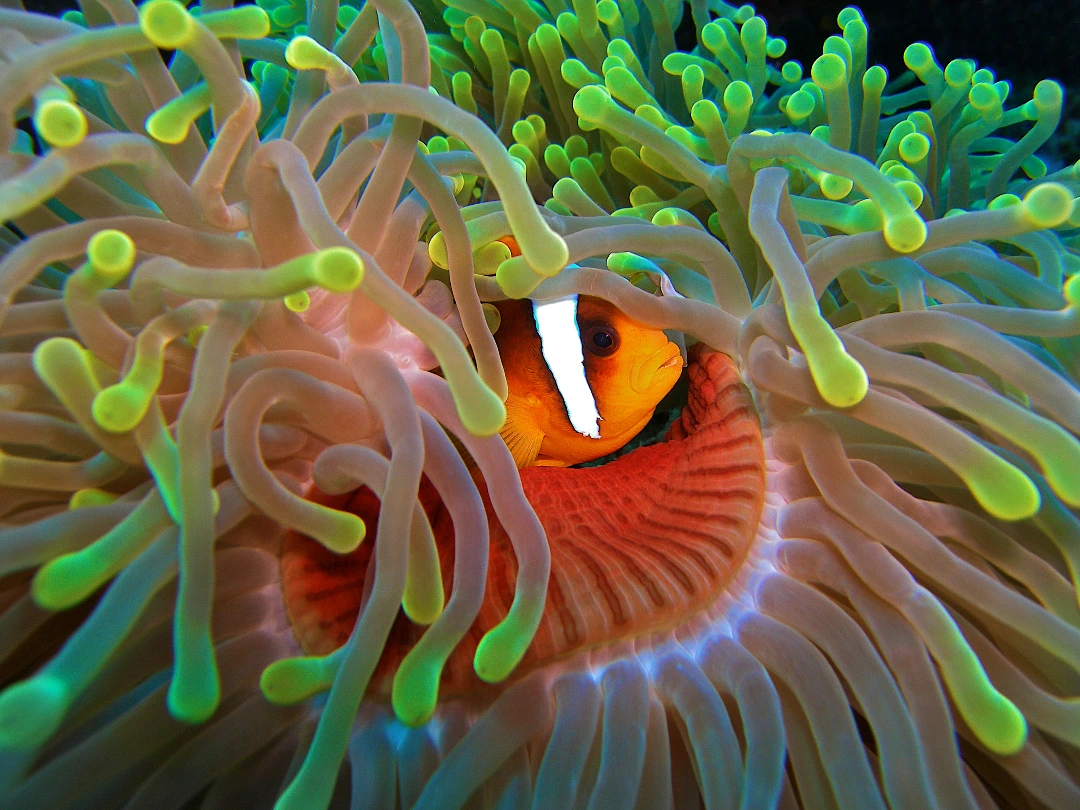
But the anemone is not just an occasional refuge for you will almost never see a clownfish apart from its host anemone and at the first sign of any predator it will take refuge among the poisonous web of tentacles.
In return for this favour, the clownfish feeds on small invertebrates which might otherwise endanger the anemone while its excretions provide nutrients for its host. Also, the fidgety clownfish boosts the water circulation around the anemone allowing it to increase its oxygen consumption.
Often a small school of clownfish will share the protection of a single anemone. The largest of the clownfish is always a female while the smaller are all male. However when the female dies, the largest male gradually changes its gender and takes on the role of the dominant female looking over her “harem” of males.

06.02.2021 – 3m 11s – 24K+ likes – 1.4 million+ views.

03.07.2020 – 6m 48s – 1K+ likes – 93K+ views.
DOGTOOTH TUNA (A)
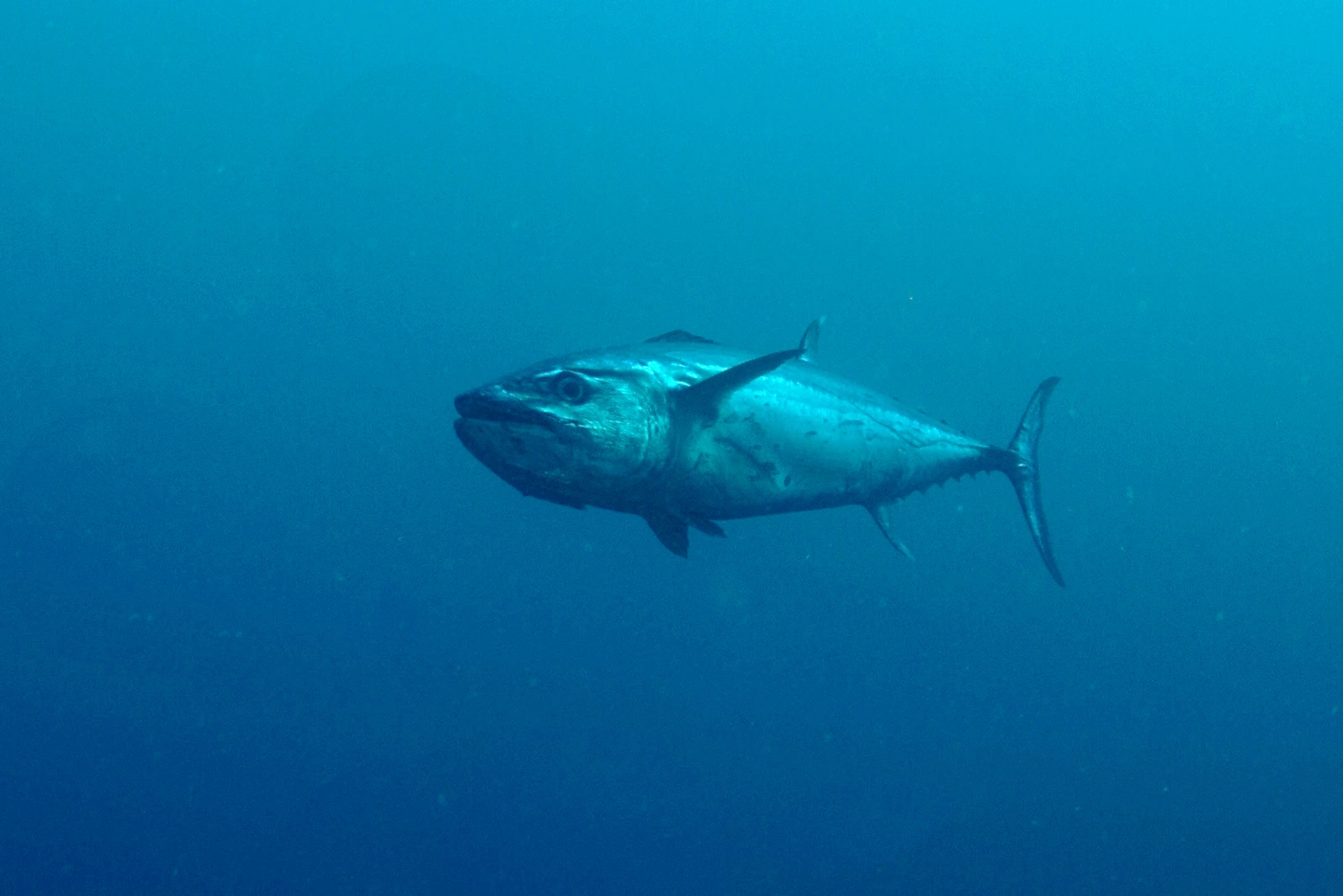
A fast, powerful, and seemingly intelligent fish, the dogtooth tuna is known for its incredible strength and ability to evade capture. As soon as it’s hooked, it often dives deep with explosive speed, cutting tackle on sharp underwater rocks and leaving anglers empty-handed.
Although it’s not the most attractive species—thanks to its huge mouth and fearsome, protruding teeth, which give the species its name—it more than makes up for it with size and presence. Dogtooth tuna can weigh over 40 kg, with one enormous specimen caught in 2015 (outside the Red Sea) reaching 107 kg, or 236 lbs—that’s 17 kg more than the minimum weight for a heavyweight boxer! These ocean giants can grow nearly 2 metres long and become too large to wrap your arms around.
Common throughout the Indo-Pacific, the dogtooth tuna is frequently found in the Red Sea, especially around steep reef drop-offs and deep reef edges. While it’s not a true tuna, it belongs to the mackerel family and is a fierce predator, often seen patrolling strong currents in search of prey. It’s a prized catch for sport fishers and an unforgettable sight for lucky divers.
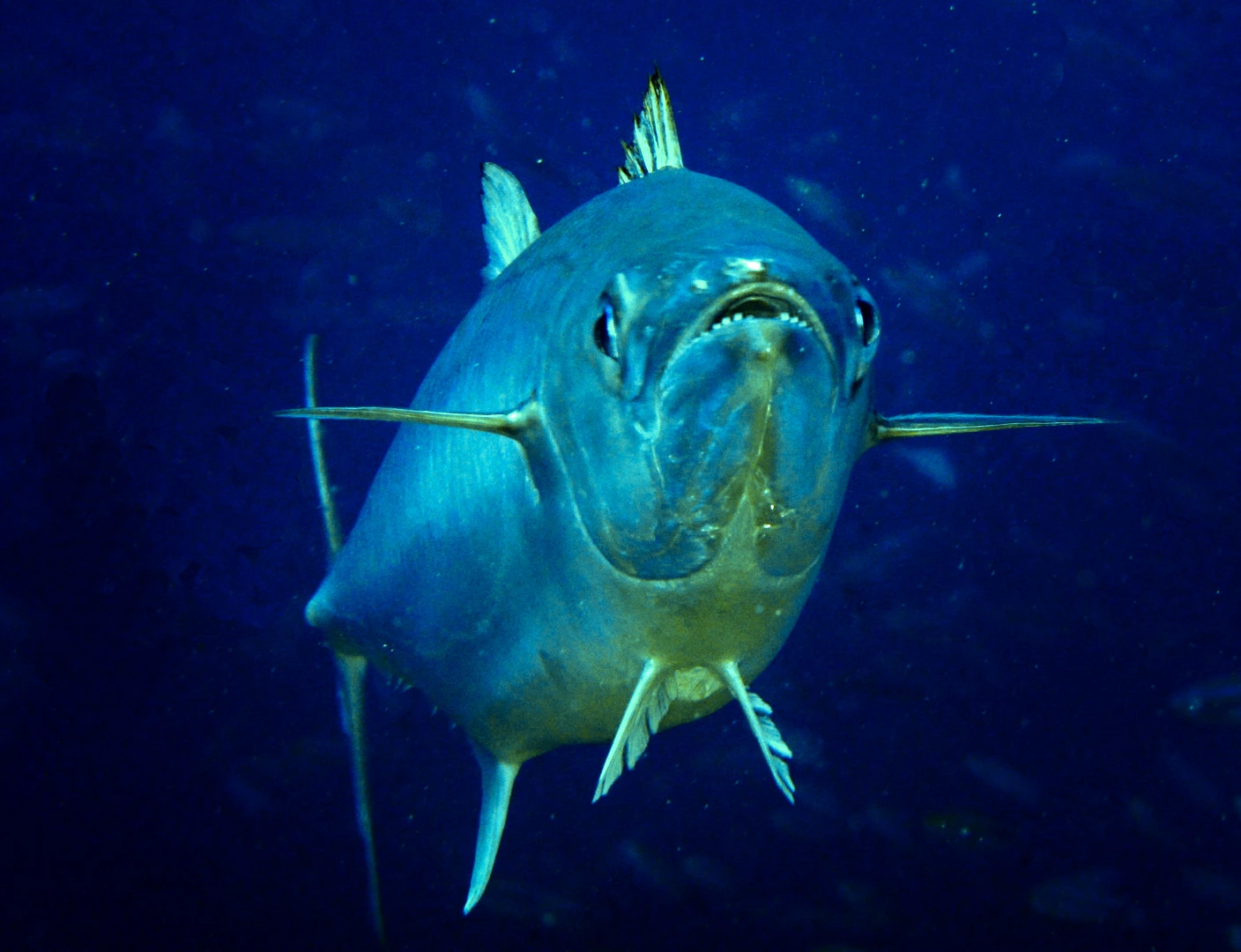
Photo: Lakshmi Sawitri CC BY-SA 2.0 Wikimedia
EMPEROR ANGELFISH (D)
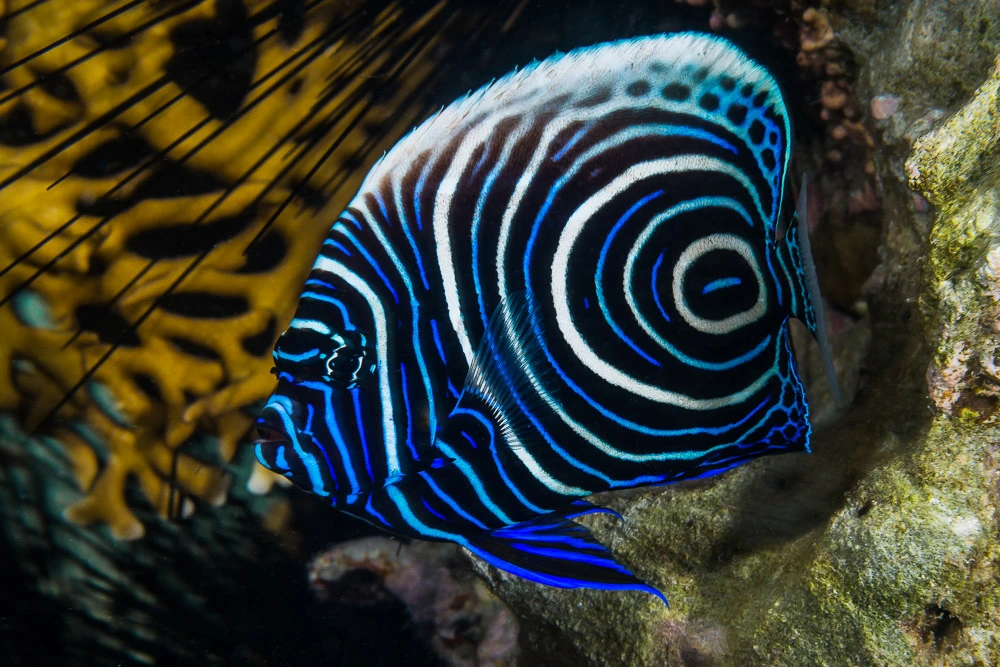
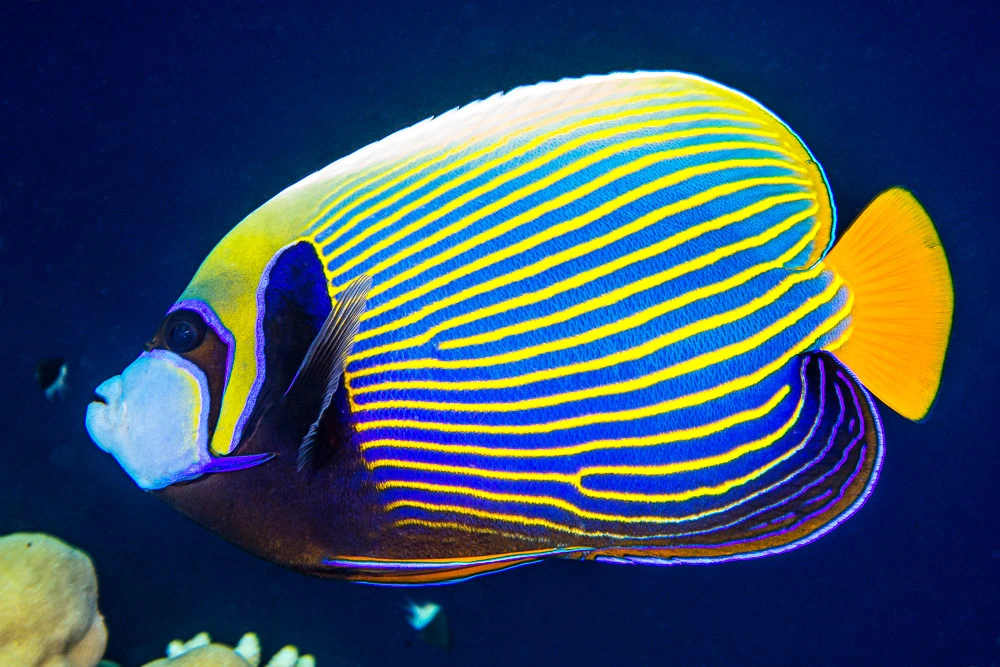
Possibly the most easily recognized species in the Red Sea and, along with the butterflyfish, one of the top contenders for any beauty contest. This omnivorous fish changes its’ markings and colours as it grows in size.
The young emperor has a blueish black body with concentric white circles but when they attain a size of around 8 to 12 cm (3 to 5 inches) they start to change in to their adult colours – blue with horizontal yellow stripes along its sides – and with a black “mask-like” stripe over its eyes and a white mouth.
Adults vary in size between about 10 and 40 cm (4 to 15 inches). It inhabits a huge area of the world’s oceans from the Red Sea all the way east to Australia’s Great Barrier Reef and the Hawaiian Islands and in the last few years it has even started to colonize areas off Israel’s Mediterranean coast having migrated through the Suez canal.
It likes to live in or close to reefs, and can often be found hiding inside caves or holes. They are sometimes alone but can also be seen in pairs or sometimes in “harems” of one male with two or more females.
Their diet is varied and includes sponges, parasites, algae, worms and shellfish. Despite their docile looks, their powerful jaws can easily crush hard-shelled crustaceans. However, juveniles are more focused on parasites and can sometimes be seen cleaning other fish such as moray eels.
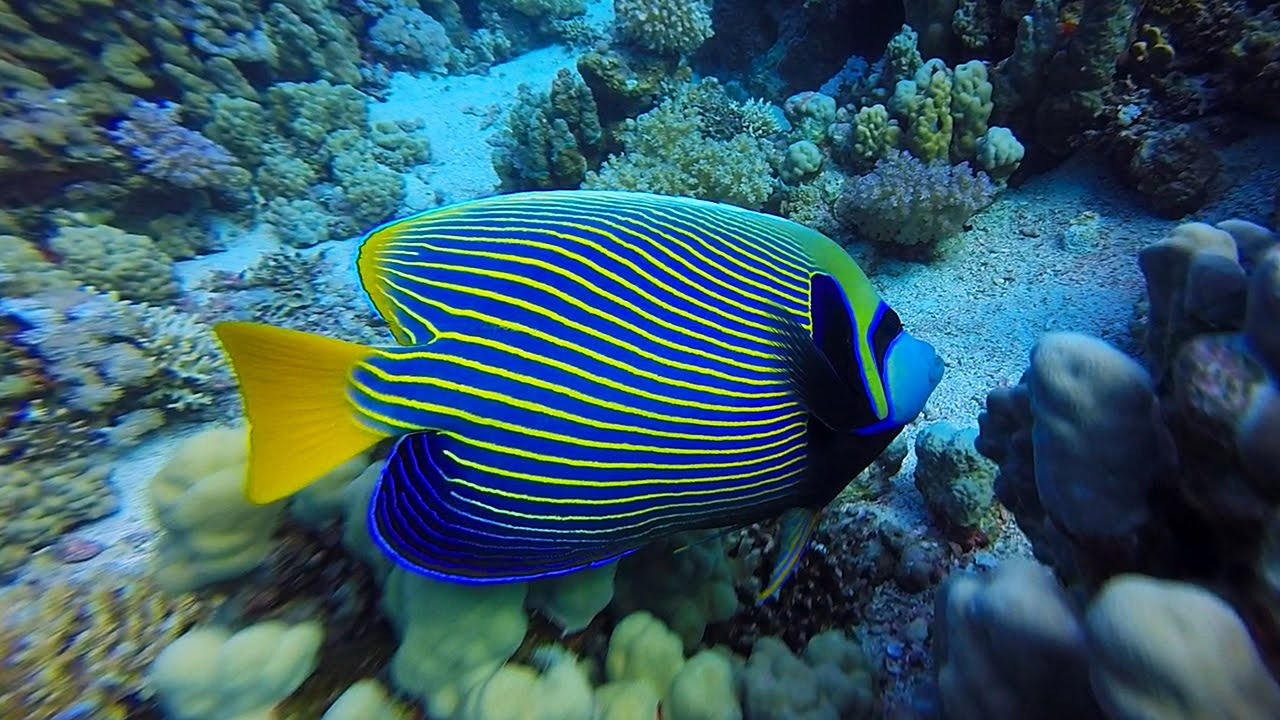
26.12.2015 – 2m 46s – 375+ likes – 54K+ views.

08.12.2017 – 1m 14s – 139+ likes – 45K+ views.
GROUPER (D & A)
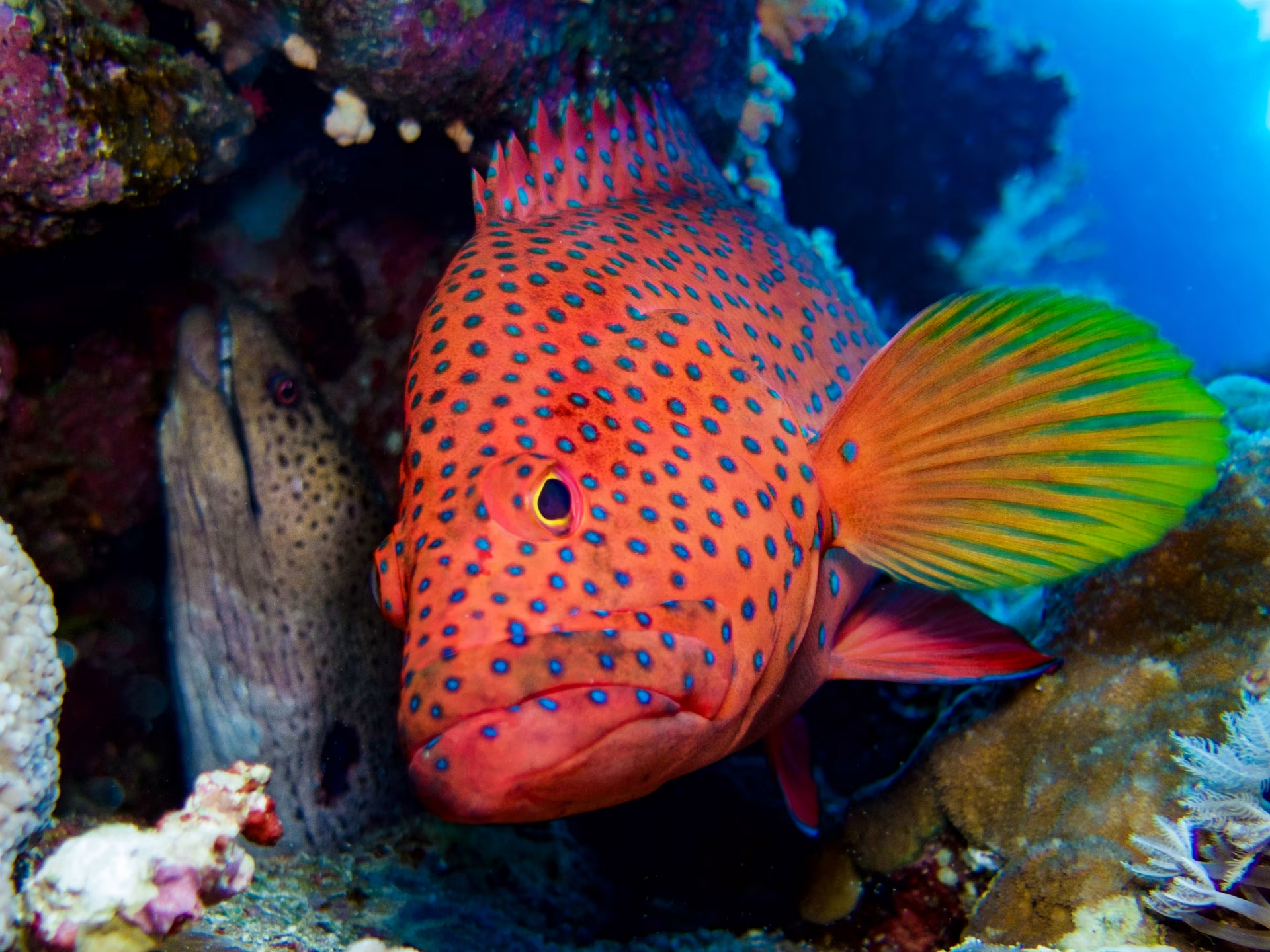
Photo: Sakis Lazarides/Shutterstock
Any of several species of fish belonging to the Epinephelidae family, groupers are large, solitary, bottom-dwelling carnivores. Known for their robust build and formidable, downturned mouths, some species grow over a metre long and can weigh up to 100 kg. The giant grouper (Epinephelus lanceolatus) is the largest of all for those divers fortunate enough to encounter one, while others like the vibrant coral grouper (Cephalopholis miniata) and the ever alert blacktip grouper (Epinephelus fasciatus) are familiar sights around coral reefs.
Groupers tend to swallow their prey whole, rather than tearing it apart. They feed on a variety of marine life including fish, crustaceans, and octopuses. While some are stealthy ambush predators, others actively patrol the reef, striking with sudden bursts of power.
Certain groupers possess an incredible hunting adaptation: by expanding their gill covers and mouth simultaneously, they create a rapid suction that vacuums prey from the water. In the Red Sea, groupers have even been observed forming hunting alliances with moray eels.
The grouper will shake its head rapidly to signal prey hidden in nearby rocks. This prompts the eel to flush out potential meals from crevices too narrow for the grouper to reach. Although only one predator ultimately feeds, their chances of success are much higher together.
These fish prefer reef walls, rocky ledges, and steep drop-offs, typically dwelling at depths between 10 and 100 metres. Their camouflage and stillness often make them hard to spot—but they are apex predators in their world.
Despite their popularity as a food source, groupers have slow reproduction rates, which has made many species vulnerable to overfishing. As of June 2020, nineteen of the world’s 162 grouper species are considered threatened. So if you’re fishing, be mindful of what you’re targeting. If your captain confirms you can go after grouper, use bottom-caught bait and heavy tackle—and fish with care.
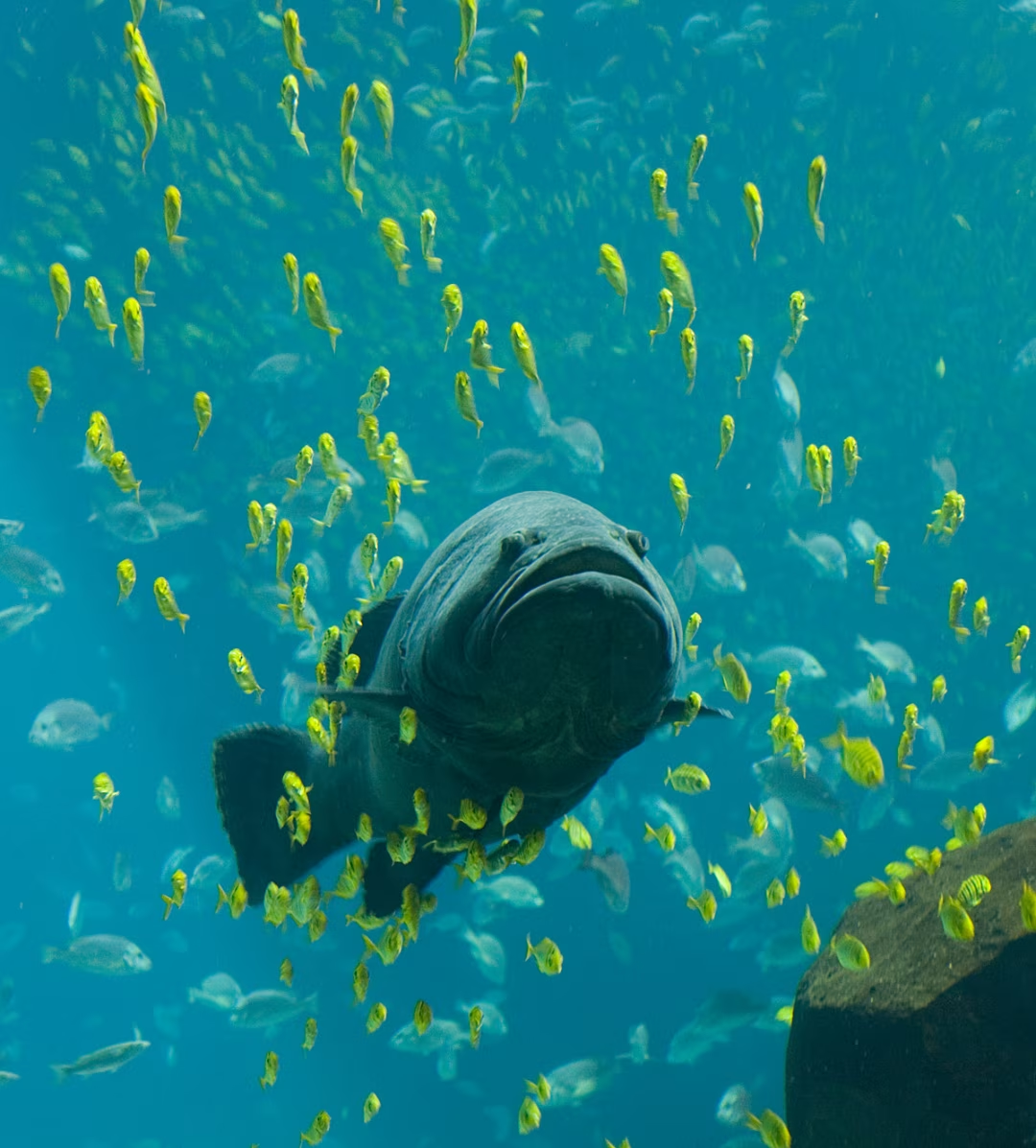
Photo – Diliff – CC BY-SA 3.0 – via Wikimedia.

03.05.2020 – 2m 18s – 43+ likes – 2K+ views.
KING MACKEREL (A)
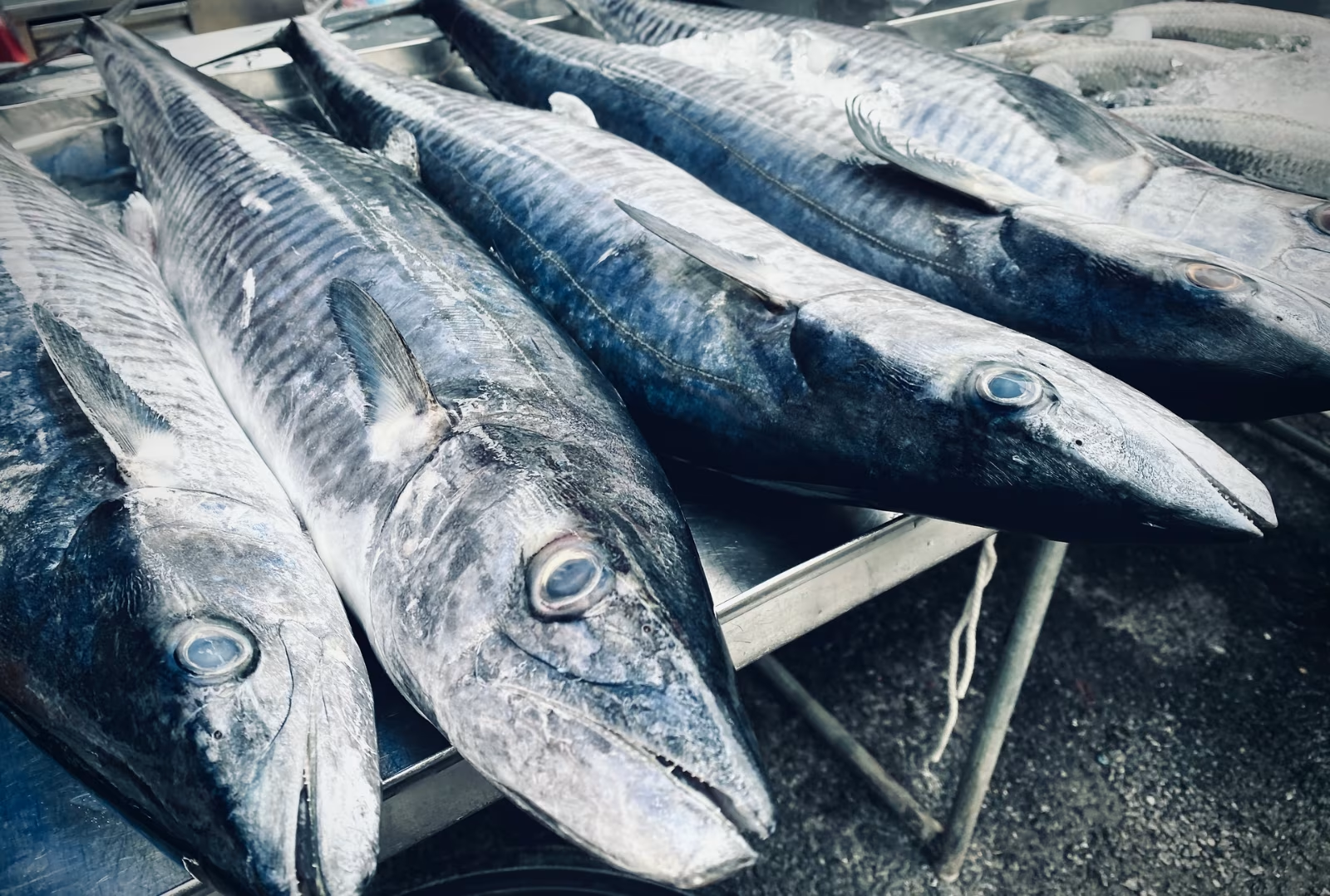
Photo credit: Chaikrit Sutthi-
king mackerel stock photos by Vecteezy
A sleek, high-speed predator with razor-sharp teeth, the king mackerel (Scomberomorus cavalla), known locally in Egypt as “samaket al-daraak” (سمكة الدراك), is a voracious carnivore with razor sharp teeth and a taste for small fish and squid. These agile hunters are sometimes seen leaping from the water in dramatic chases after prey—a thrilling sight for divers and anglers alike.
Size varies wildly. While some weigh just 2 kg, others grow to an impressive 44.4 kg (97.8 lbs) and up to 1.6 metres (five and half feet) long. Its greyish flesh—unusual among fish—is a result of its high fat content, which gives it a rich, oily flavor prized by some, but not all, seafood lovers.
Although typically associated with the tropical and subtropical waters of the mid-Atlantic, Caribbean, and U.S. coasts, the king mackerel has also been recorded off Egypt’s Red Sea coast, where it’s sought after by local sport fishers using deep trolling techniques. It’s a formidable opponent, known for powerful runs that can test even experienced anglers.
The King Mackerel however itself sometimes falls prey to sharks and dolphins so don’t be surprised if while hauling in your catch you end up in a sudden tug of war.

15.01.2012 – 1m 25s – 20+ likes – 15K+ views.
LIONFISH (D)
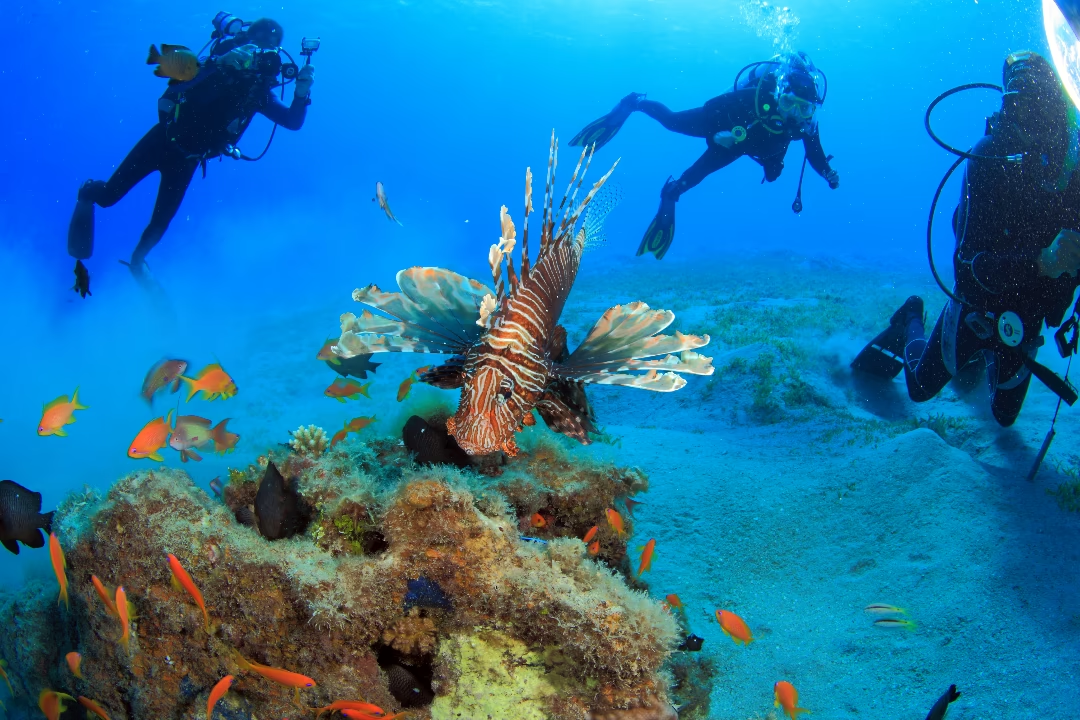
ID 21837345 © Stanislav Moroz | Dreamstime.com
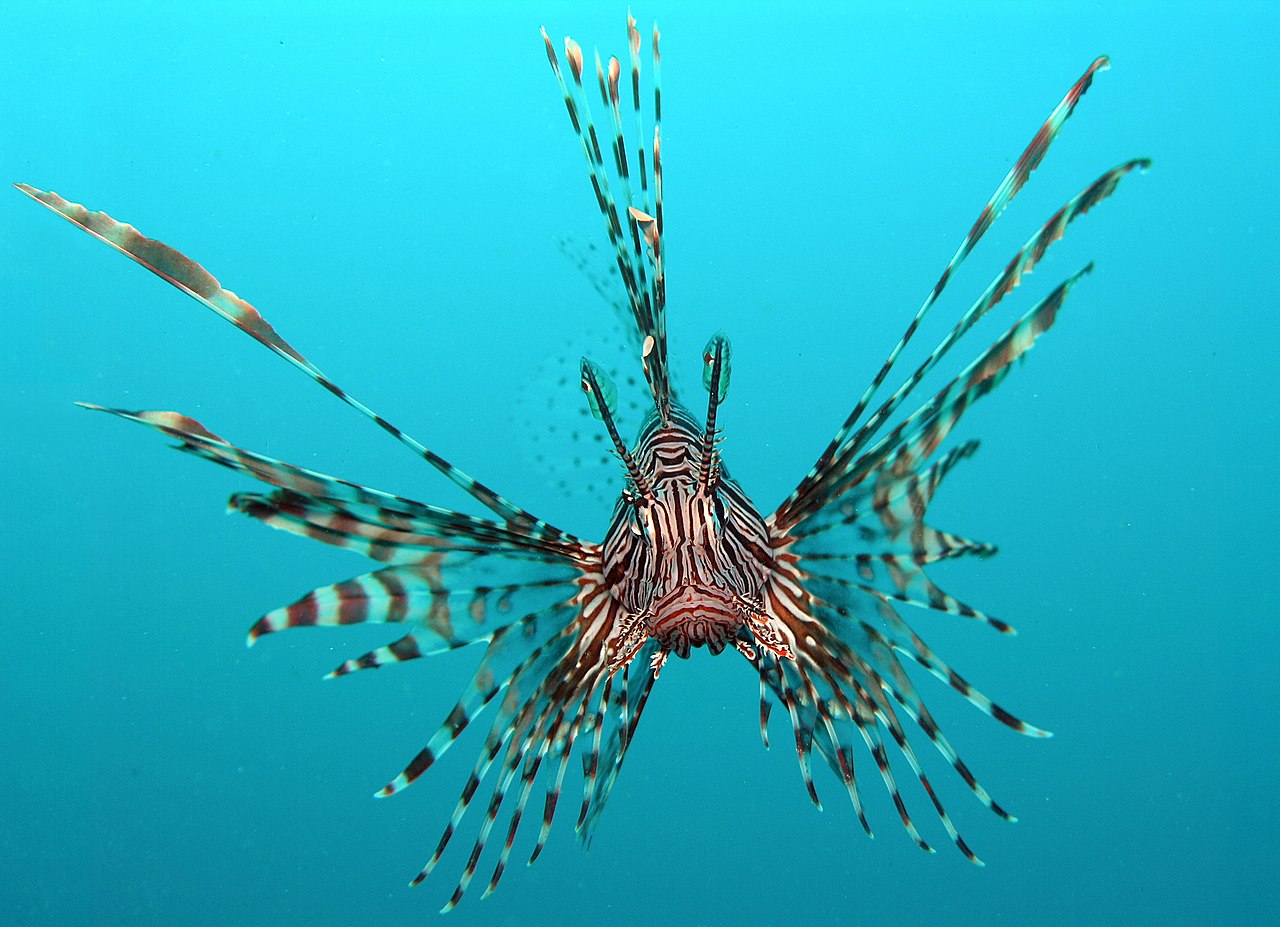
Photo: Jens Petersen CC BY-SA 3.0 via Wikimedia.
Lionfish are among the most striking and instantly recognisable fish in the Red Sea, known for their bold stripes, flowing fins, and graceful movements. With their fan-like pectoral fins and venomous spines, they seem to glide through the water like living works of art. Despite their beauty, their spines can deliver a painful sting, so it’s wise to admire them from a distance.
These nocturnal hunters hide in crevices and under ledges during the day, emerging at night to ambush small fish and crustaceans. They use their large fins to herd prey before striking with lightning speed. Lionfish have few natural predators, which, combined with their excellent camouflage and venomous defences, makes them highly effective hunters.
Interestingly, while lionfish are native to the Red Sea, they have become a serious invasive species in the Atlantic and Caribbean, where they cause significant damage to reef ecosystems. In the Red Sea, however, they play a more balanced role in the marine food web. For divers and snorkelers exploring Egypt’s reefs, spotting a lionfish—floating motionless like a feathered phantom—is a highlight not soon forgotten.

04.02.2022 – 52 mins – 6K+ likes – 621K+ views
MORAY EEL (D)
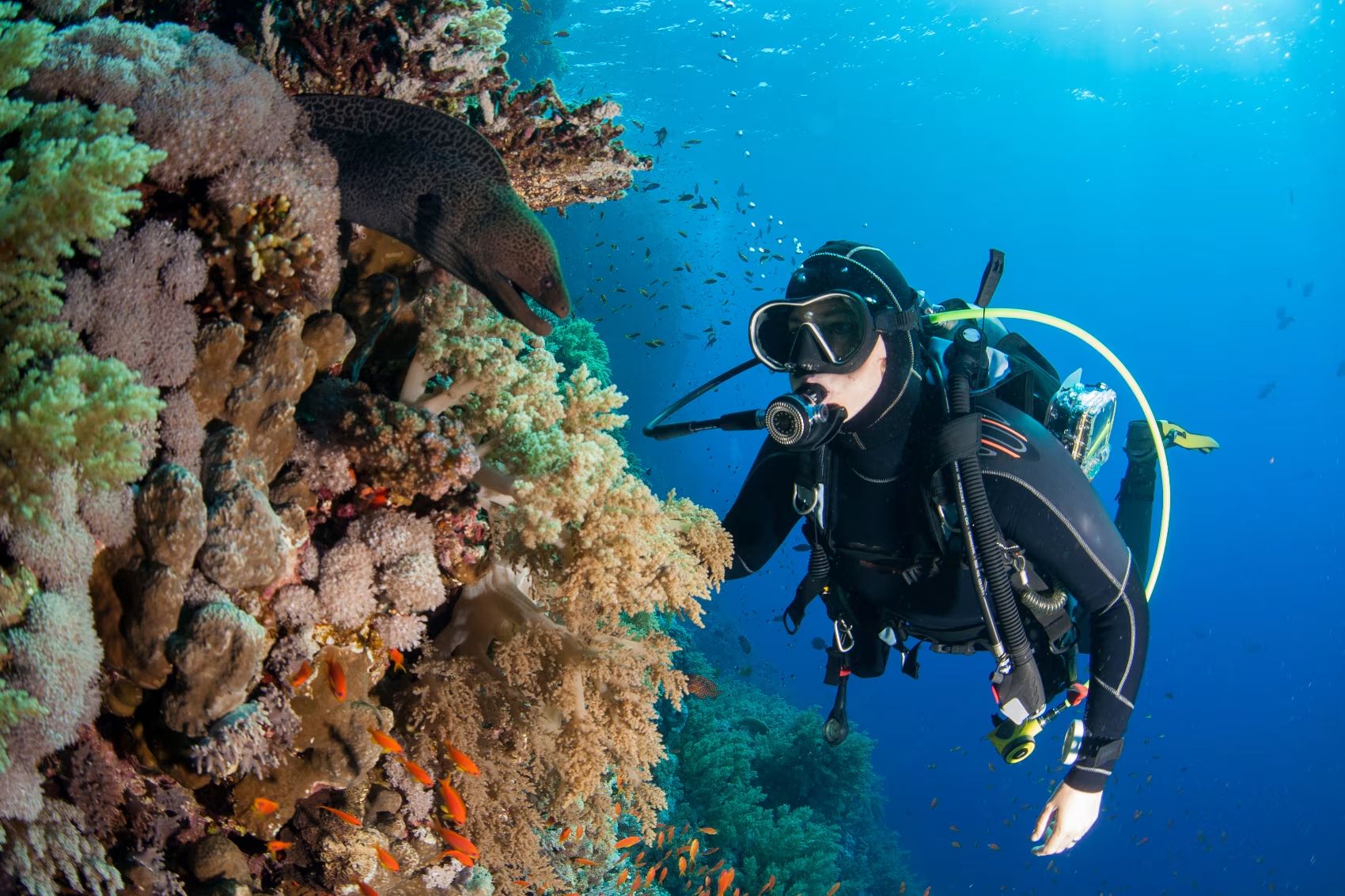
Photo credit: Marcus Bay/Shutterstock
Moray eels are some of the most intriguing and misunderstood creatures you can encounter in the Red Sea. With their long, muscular bodies and gaping mouths, they often look menacing—but they’re usually shy and prefer to keep to themselves. Most of the time, you’ll spot just their heads poking out from crevices in the reef, mouths opening and closing as they breathe.
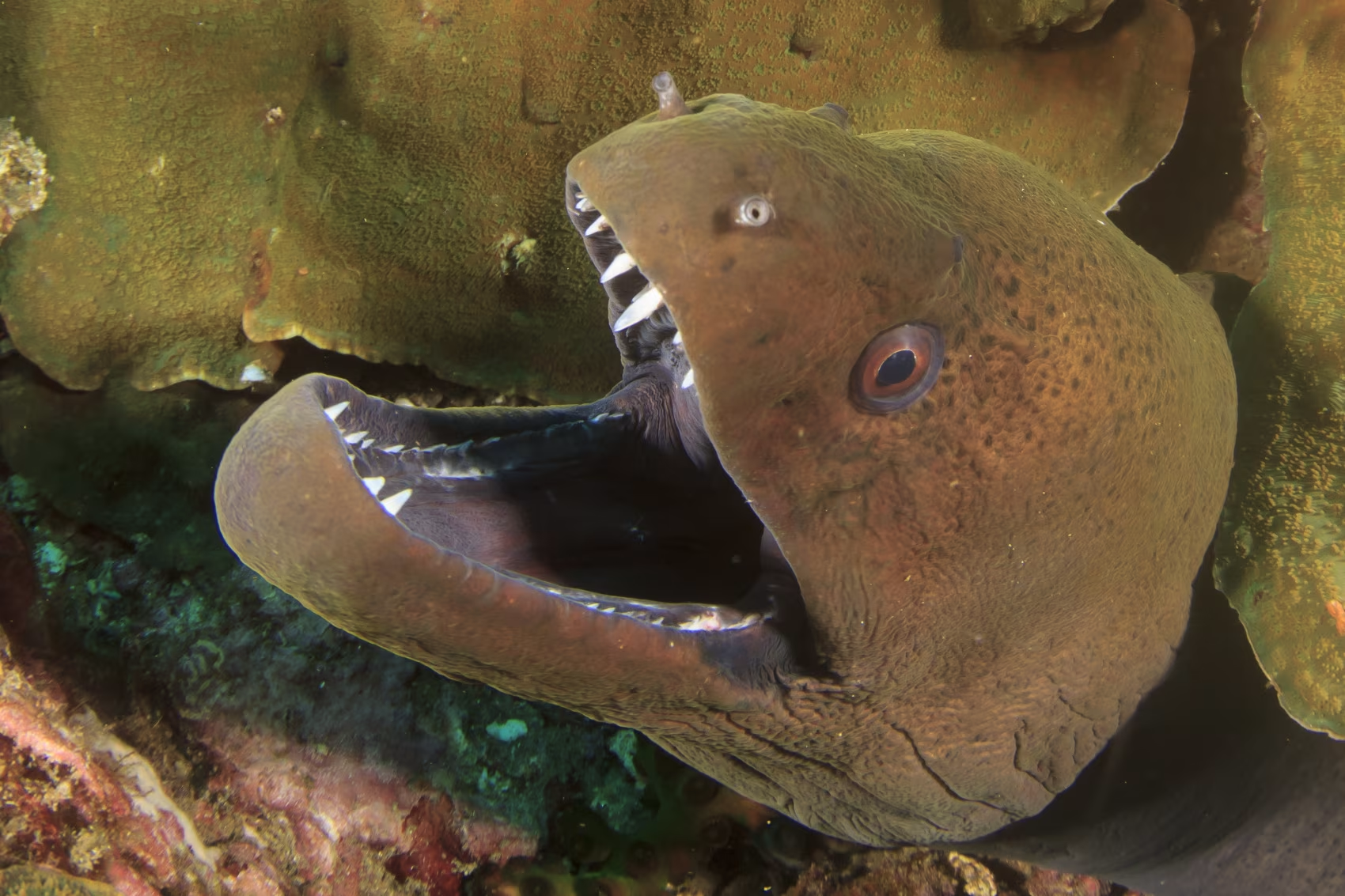
Photo: Rich Carey/Shutterstock
Their skin is thick and scaleless, and instead of pectoral fins, they rely on serpentine movement to navigate tight reef spaces. They’re mostly nocturnal hunters, feeding on fish, octopus, and crustaceans—though sometimes they’ll cooperate with groupers during the day to flush prey from hiding spots. Several species live in the Red Sea, including the impressive giant moray, which can grow over 2.5 meters long.
Despite their reputation, moray eels aren’t aggressive unless provoked or threatened. Divers and snorkelers should never attempt to touch or feed them, as their bites can cause deep wounds and infections. Here’s one truly fascinating fact – They have a second set of jaws called pharyngeal jaws, which shoot forward from their throat to grab prey—a real-life alien-style feeding mechanism hidden in the coral!

23.07.2017 – 2m 26s – 12K+ likes – 1.5 million+ views

19.01.2019 – 8m 2s – 57K+ likes – 2.4 million+ views.
PARROTFISH (D)
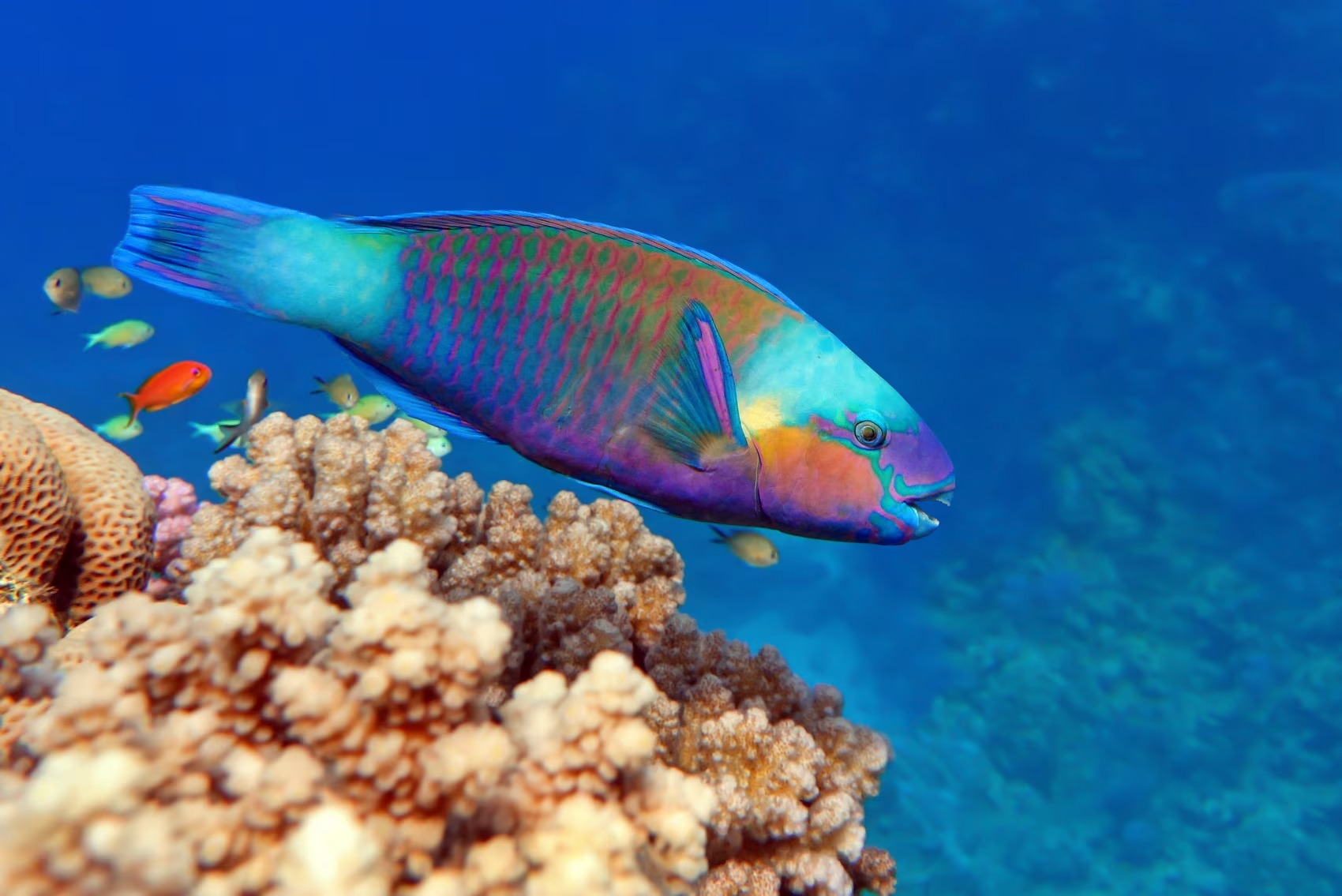
Photo: Miroslav Halama/Shutterstock.com
It’s not hard to see how parrotfish got their name. Their jaws are lined with rows of tiny, tightly packed teeth that fuse into a sharp, parrot-like beak—perfect for scraping algae off coral. Add to that their dazzlingly bright colours, and they’re among the most eye-catching fish on the reef.
Parrotfish come in over 80 known species, varying widely in size. Most adults measure between 30 and 50 cm, though the impressive Green Humphead Parrotfish can grow up to 1.5 metres in length. They belong to a subfamily of wrasses and are typically found around coral reefs and seagrass beds.
Parrotfish often swim in loose schools and are generally unbothered by snorkelers, making them a frequent and fascinating sight on reef dives. Active by day, they retreat into crevices at night, often secreting a transparent mucus cocoon. This unusual sleeping bag may help mask their scent from nocturnal predators like moray eels.
Though mostly herbivorous, parrotfish aren’t strict vegetarians. Their diet can include small invertebrates, making them important and adaptable grazers on the reef. One of their most important roles? Reef maintenance. Their strong beaks allow them to grind coral rock along with algae, which they excrete as fine sand.
A single parrotfish can produce up to 90 kilograms of sand in a year—so those soft, white beaches in places like Marsa Alam may owe more to parrotfish poo than you’d imagine! Given their vital role in reef health, parrotfish should not be targeted by anglers. Protecting them helps coral reefs—and coastal beaches—thrive.

26.03.2021 – 3m 30s – 841+ likes – 107K+ views

23.09.2016 – 2m 10s – 1K+ likes – 134K+ views.
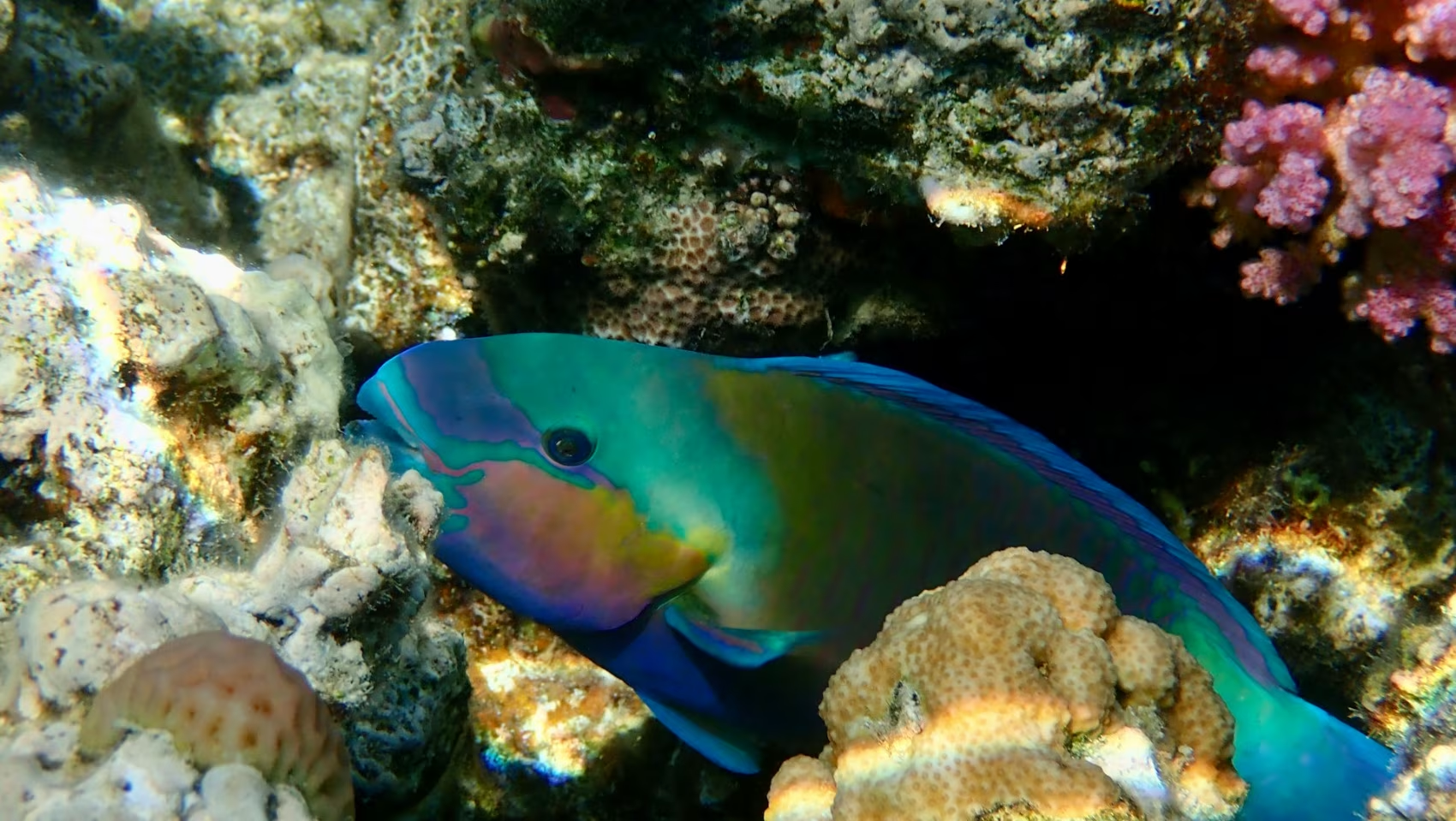
Photo credit: Ralf Schlegel via Unsplash.
PORCUPINEFISH (D)
ID 48145176 © Amzphoto | Dreamstime.com
ID 281008960 © TUNATURA | Dreamstime.com
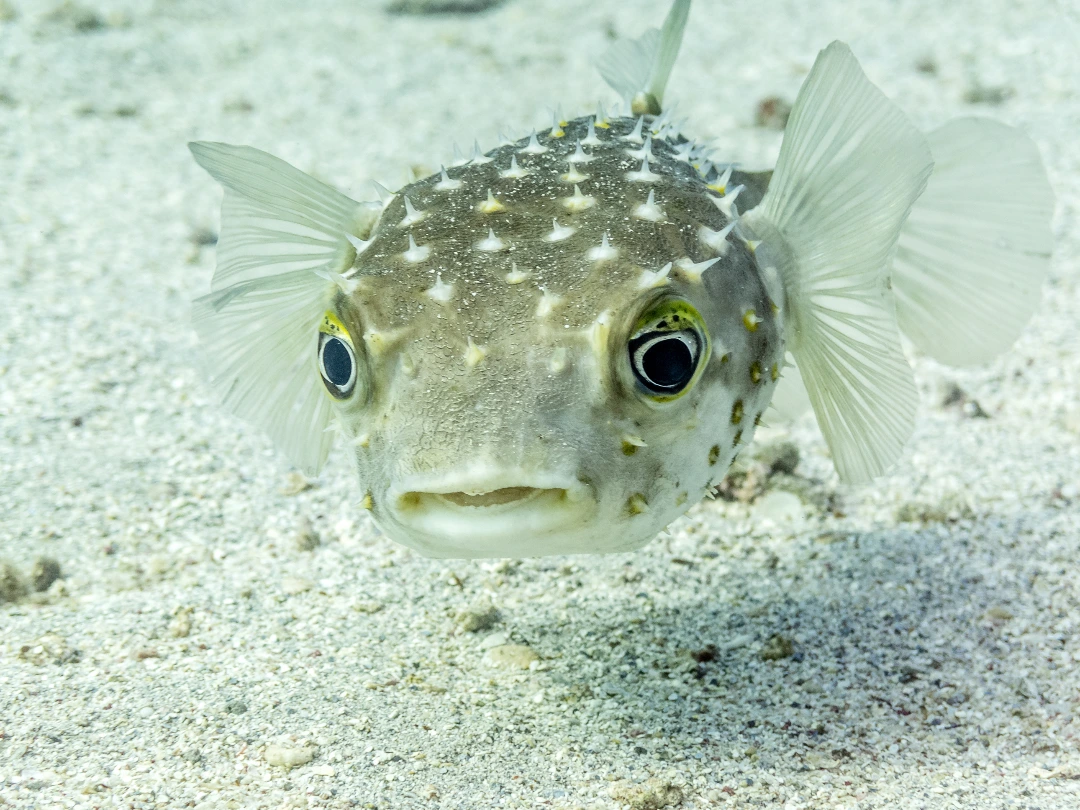
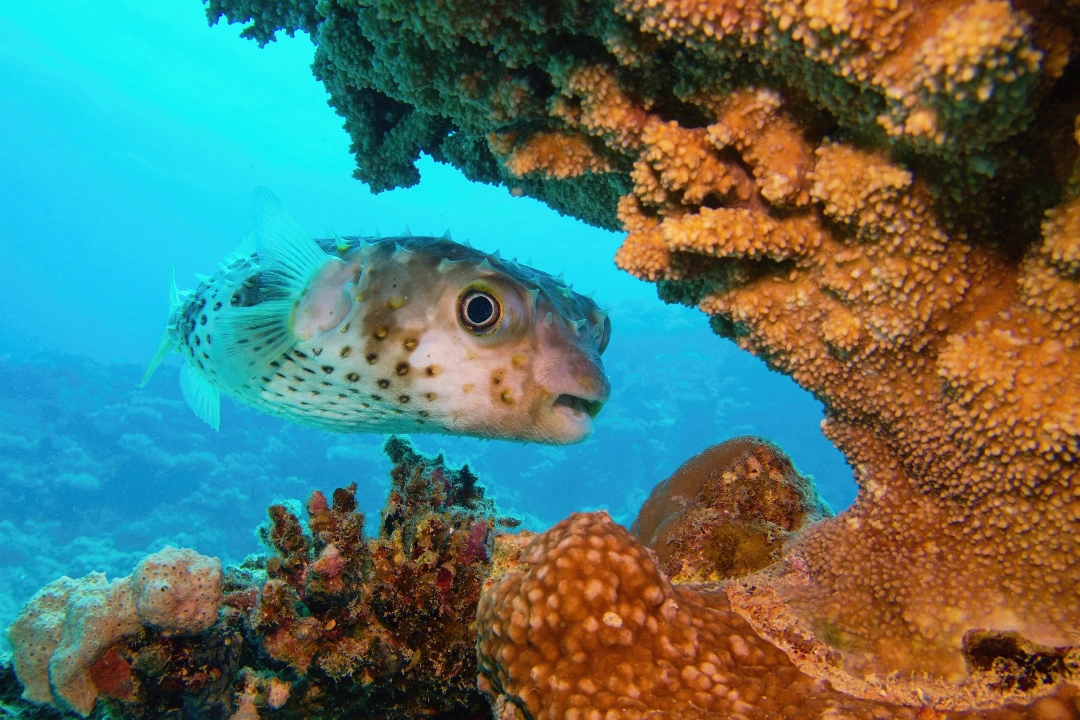
The common porcupinefish (Diodon holocanthus) is a striking species found in the Red Sea, easily recognizable by its spiny appearance. Its body is oval and slightly flattened, covered with sharp, needle-like spines that stand erect when the fish inflates. Typically, these fish are a light, creamy color, with darker brown or yellowish markings around the spines, giving them a spiky and almost puffer-like look.
These fish are often seen in shallow coastal waters, particularly around coral reefs, seagrass beds, and lagoons. They prefer depths between 10 to 40 meters and can be found in the warm, clear waters along Egypt’s Red Sea coast. As a slow-moving bottom feeder, the porcupine fish spends much of its time searching for food among rocks, coral, and sand.
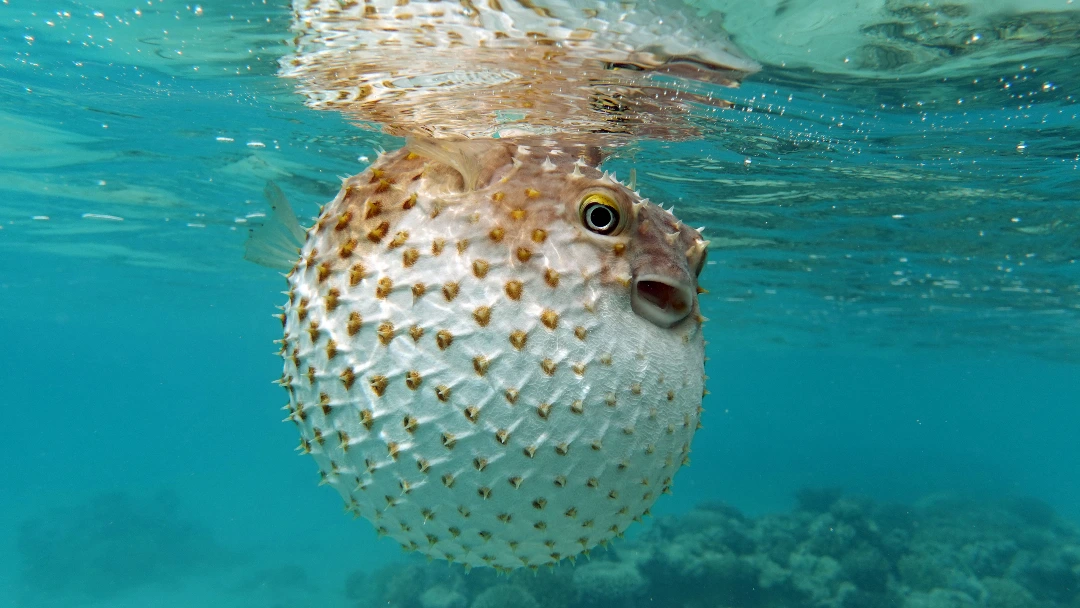
When threatened, the porcupinefish inflates its body with water or air, expanding dramatically to become almost spherical and displaying its spines for defense. This puffing-up behavior makes it difficult for predators to swallow. Interestingly, despite their spiny protection, these fish are still a target for some larger predators, such as sharks.

22.03.2016 – 2m 50s – 5.8K+ likes – 1.6M+ views
A fascinating aspect of the common porcupine fish is its ability to change color, helping it to blend in with its environment and evade detection by predators. The fish is relatively solitary, mostly active at night, and contributes to the balance of the ecosystem by feeding on crustaceans, mollusks, and small fish.
SCORPIONFISH (D)
ID 260070704 © Vitalii Kalutskyi | Dreamstime.com
ID 6481506 © Pawel Borowka | Dreamstime.com
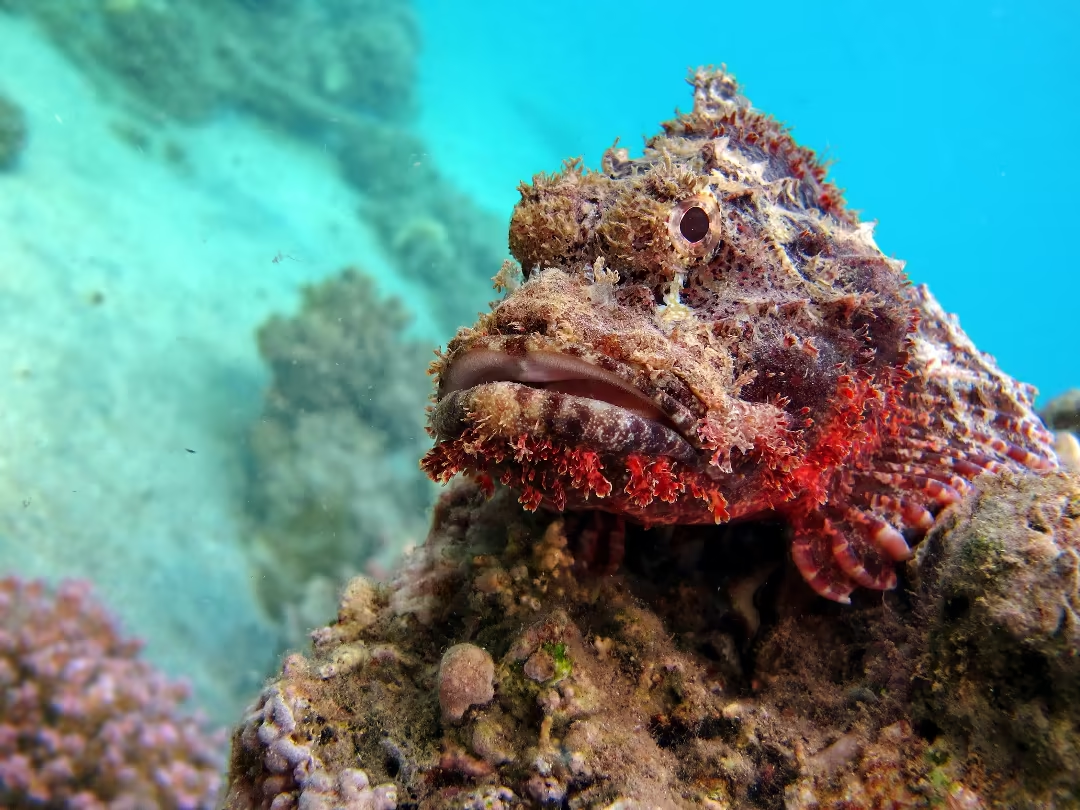
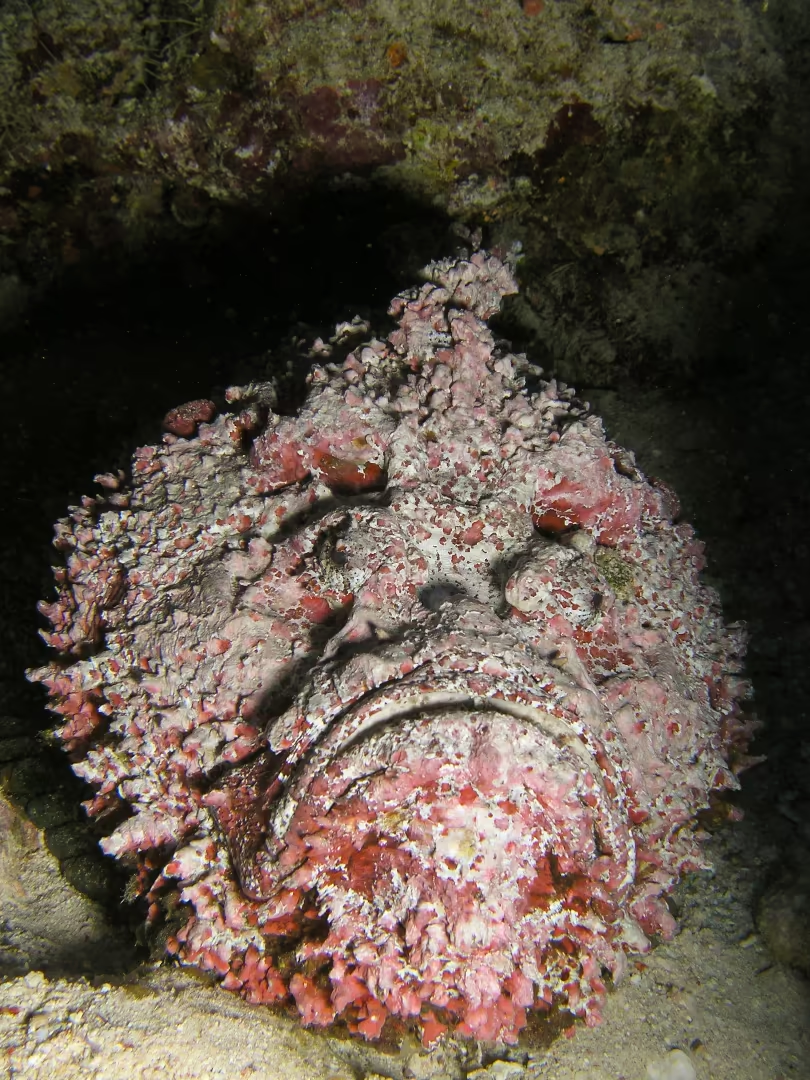
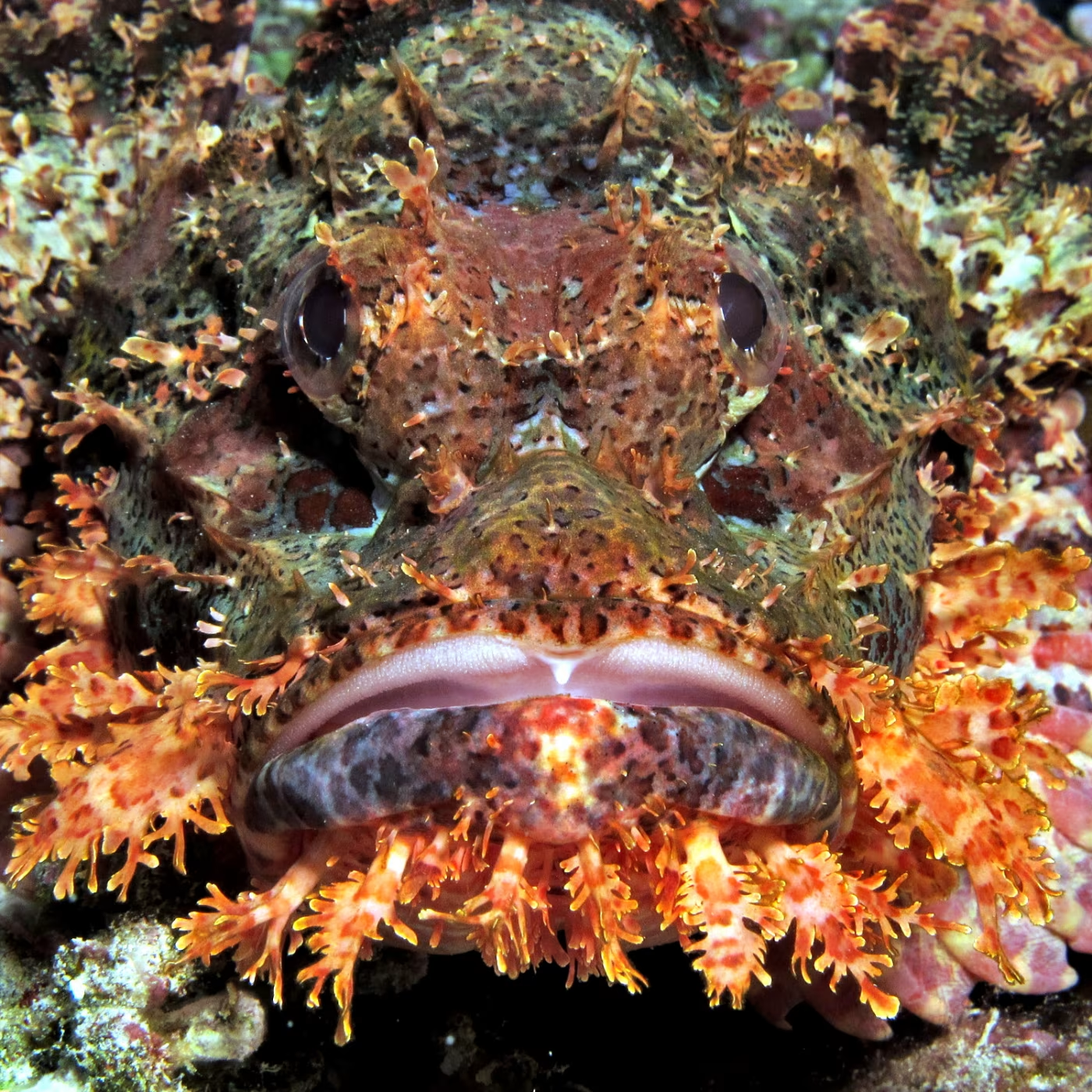
The scorpionfish (Scorpaenidae) is one of the Red Sea’s most well-camouflaged and intriguing marine creatures. It includes over 400 species found in tropical and temperate waters worldwide. Along Egypt’s Red Sea coast—including Marsa Alam—several species are regularly seen by divers and snorkelers, often blending perfectly into coral and rocky reefs.
Scorpionfish are not just one type of fish. They also include seven subfamilies including lionfish (Pteroinae), stonefish (Synanceiinae) and several other related scorpionfish subgroups. While lionfish (described earlier on this page) are more flamboyant and easy to spot, stonefish and other scorpionfish rely on stillness and camouflage. All are ambush predators, lying in wait for smaller fish to pass by before striking with lightning speed.
Daedalus Reef, Egypt
Photo Derek Keats CC BY 2.0 via Flickr.
Scorpionfish are venomous but not aggressive. Their danger lies in their defensive dorsal spines, which can inject painful venom if stepped on or handled. The sting can cause intense pain, swelling, and in some cases, more serious reactions—especially with stonefish, which are among the most venomous fish in the world.
Fascinatingly, scorpionfish can “walk” along the sea floor using their pectoral fins, and some species even change color to better match their surroundings. Though they should be respected and not touched, seeing one is a highlight for many careful and observant divers.

21.12.2019 – 6m 1s – 17K+ likes – 1.6M+ views
SPANGLED EMPEROR (A)
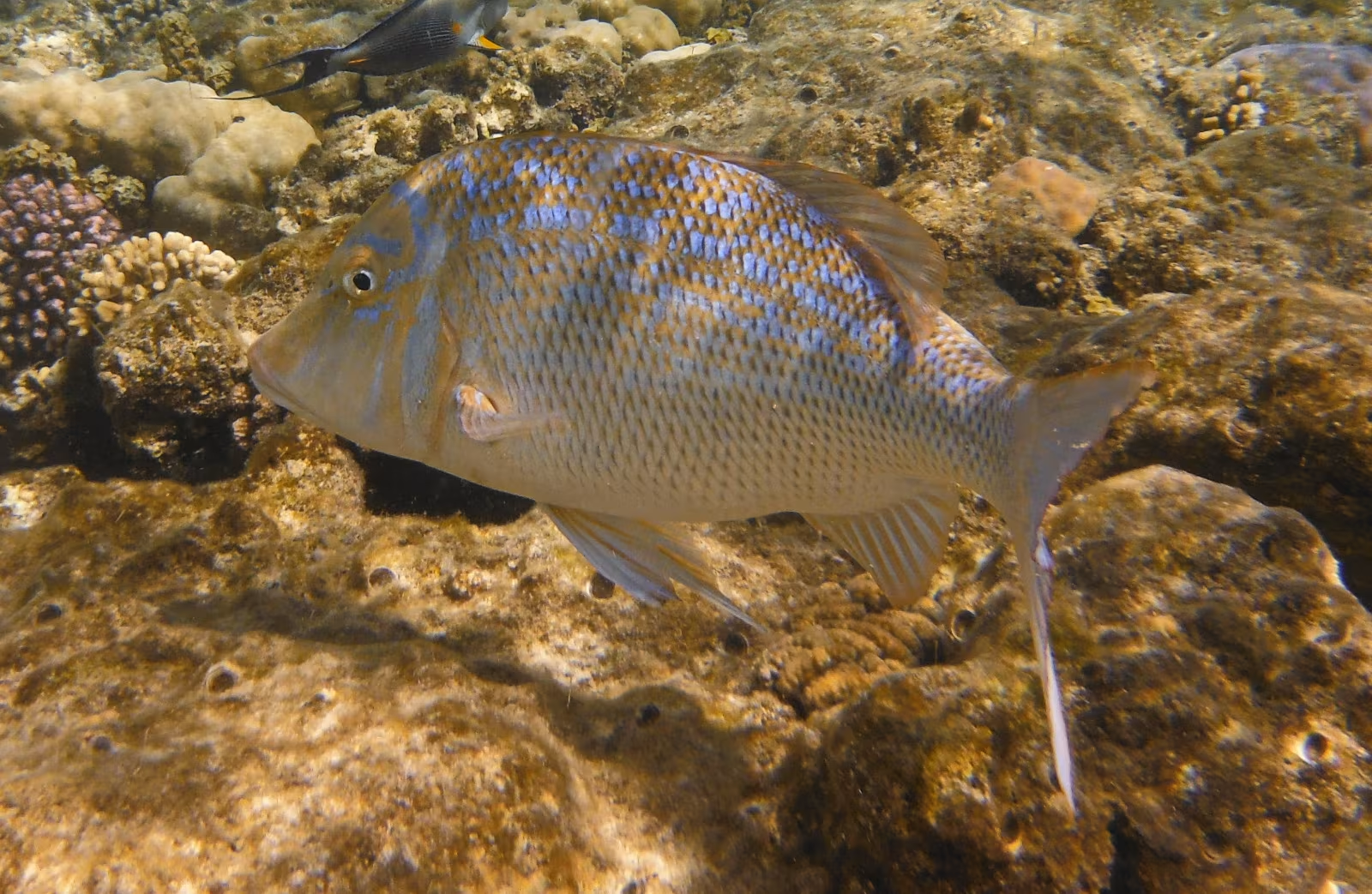
Photo: Kora27 CC BY-SA 4.0 via Wikimedia
Lethrinus nebulosus, also known as the spangled emperor, north-west snapper, or simply “spango,” is a non-migratory, medium-sized reef fish often found at depths of 10 to 80 metres. It inhabits coral reefs, lagoons, mangrove swamps, and seagrass beds across the Red Sea and Indo-Pacific regions. Nicknames like “spangles,” “spangos,” and “spanglies” are sometimes used affectionately by local divers and fishers.
Spangos are carnivorous bottom feeders with a surprisingly varied diet. While they typically feed on sea urchins, mollusks, crabs, shrimp, starfish, and small fish, they’ve been observed displaying opportunistic behavior—like in the video clip (right or below), where two are seen tussling over a still-living snake eel at Marsa Shagra Bay.
Easily identified by their large eyes, scaleless cheeks, and strong teeth, these emperors usually grow to about 45 cm and weigh between 4 and 7 kg, though they can reach up to 87 cm and nearly 9.5 kg. Remarkably, they can live for up to 28 years. Another fascinating trait: some individuals change sex from female to male before reaching maturity, a phenomenon known as protogynous hermaphroditism.
Anglers should take note—the spango often takes bait without immediately swallowing. Striking too early may pull the hook from its relatively hard mouth. For best results, use squid or shellfish bait with light tackle and a bit of patience.
When it comes to flavor, the spangled emperor makes a delicious and nutritious meal. It’s especially good when baked whole, stuffed with garlic slivers, and finished with a parsley, lemon, and pine nut paste.
29.11.2009 – 2m 17s – 9+ likes – 2K+ views..
13.12.2008 – 1m 40s – 26+ likes – 5K+ views